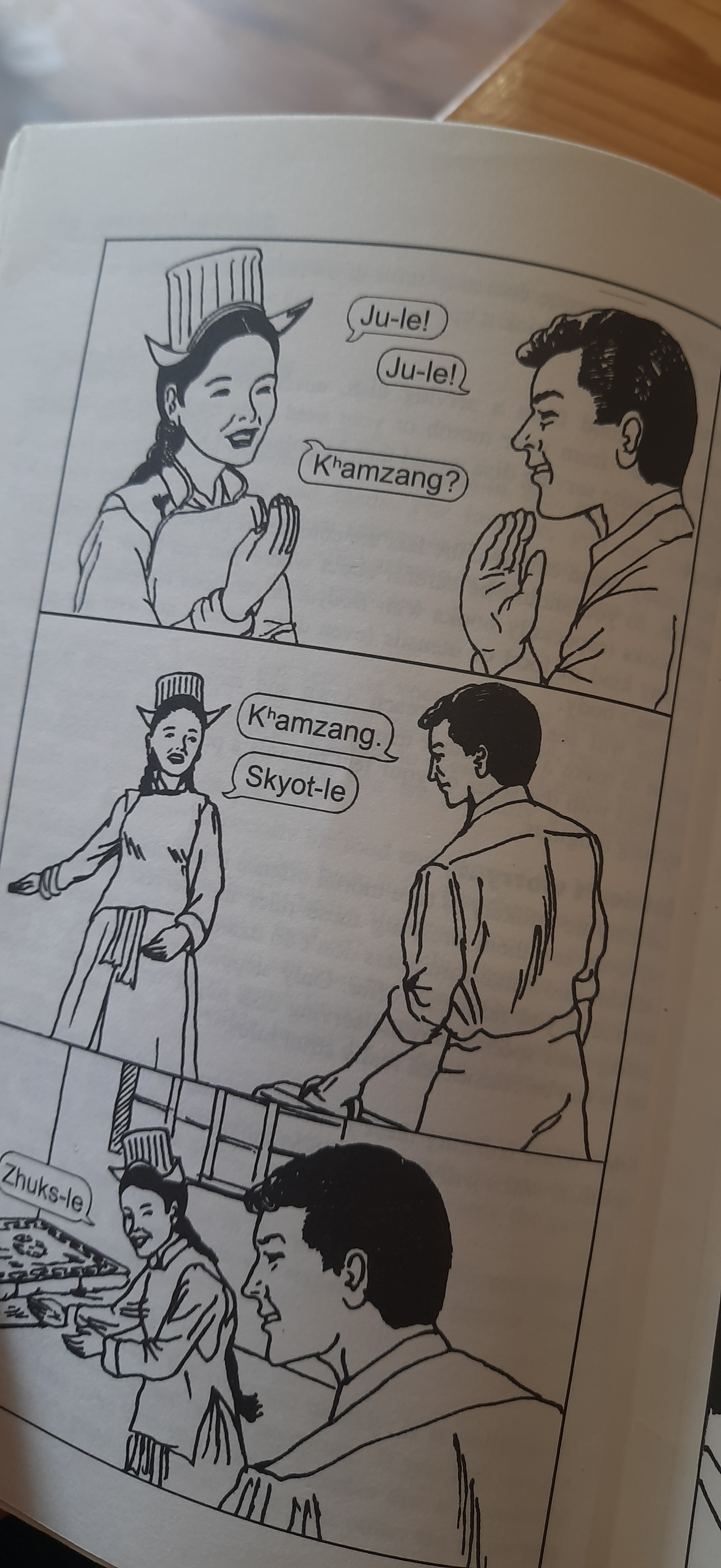
Because of the course of history, most of the people in Leh are ethnic Tibetan. And like most parts of India, they also have their own language, Ladakhi (a Tibetic language), that they speak next to Hindi.
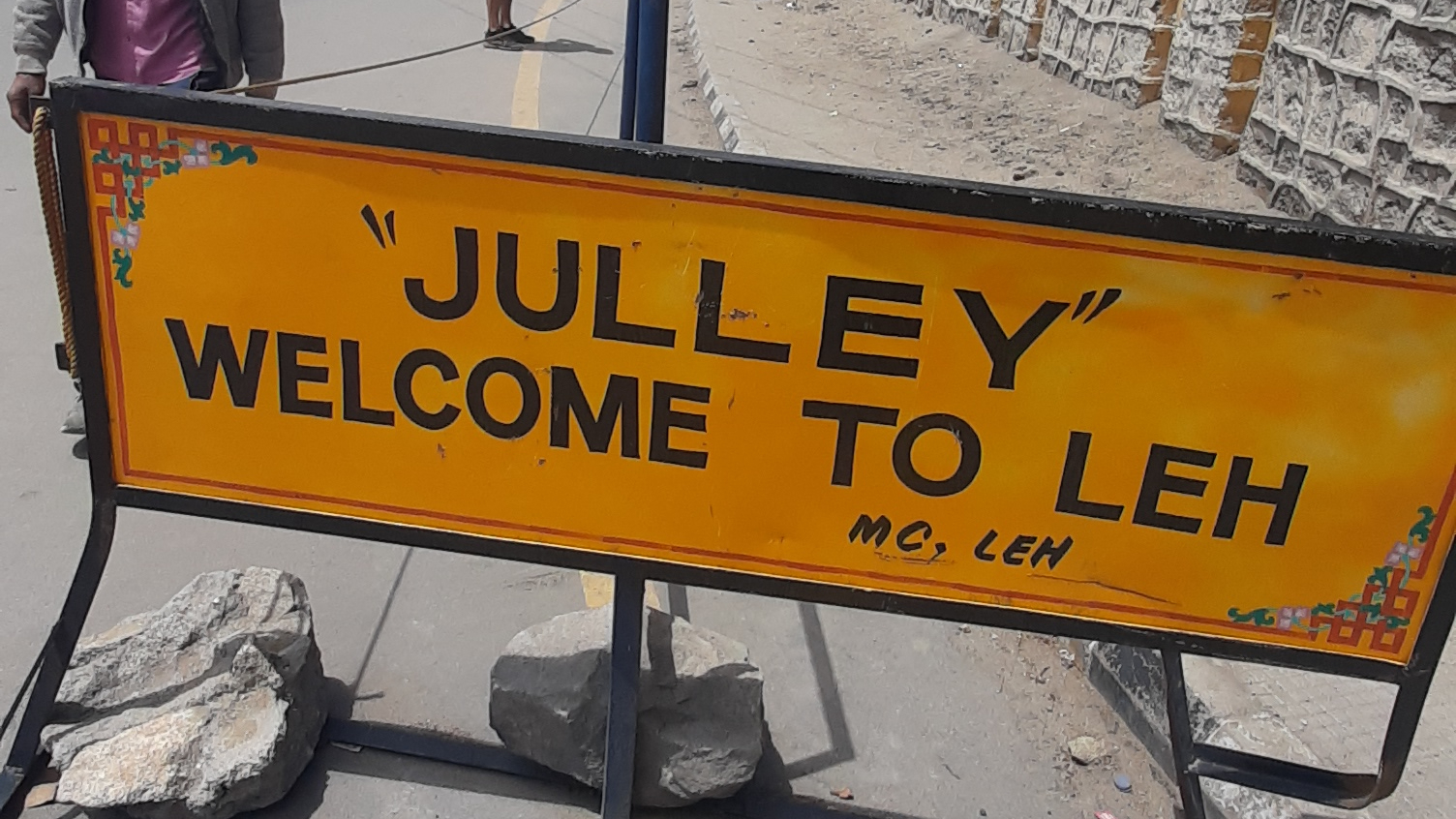
The most important part to remember is the cheerfull Julley! – which means ‘hello’, ‘good day’ and ‘goodbye’ all at once – though.. As soon as you start using this cheerful greeting, you get a lot of enthusiastic responses!

When you’re staying in Leh, you have multiple options for hotels and guesthouses. If you’re on a tight budget, we would recommend staying at one of the guesthouses or homestays. Not just because of the lower price, but mainly to experience the great Ladakhi hospitality and more of the local life.
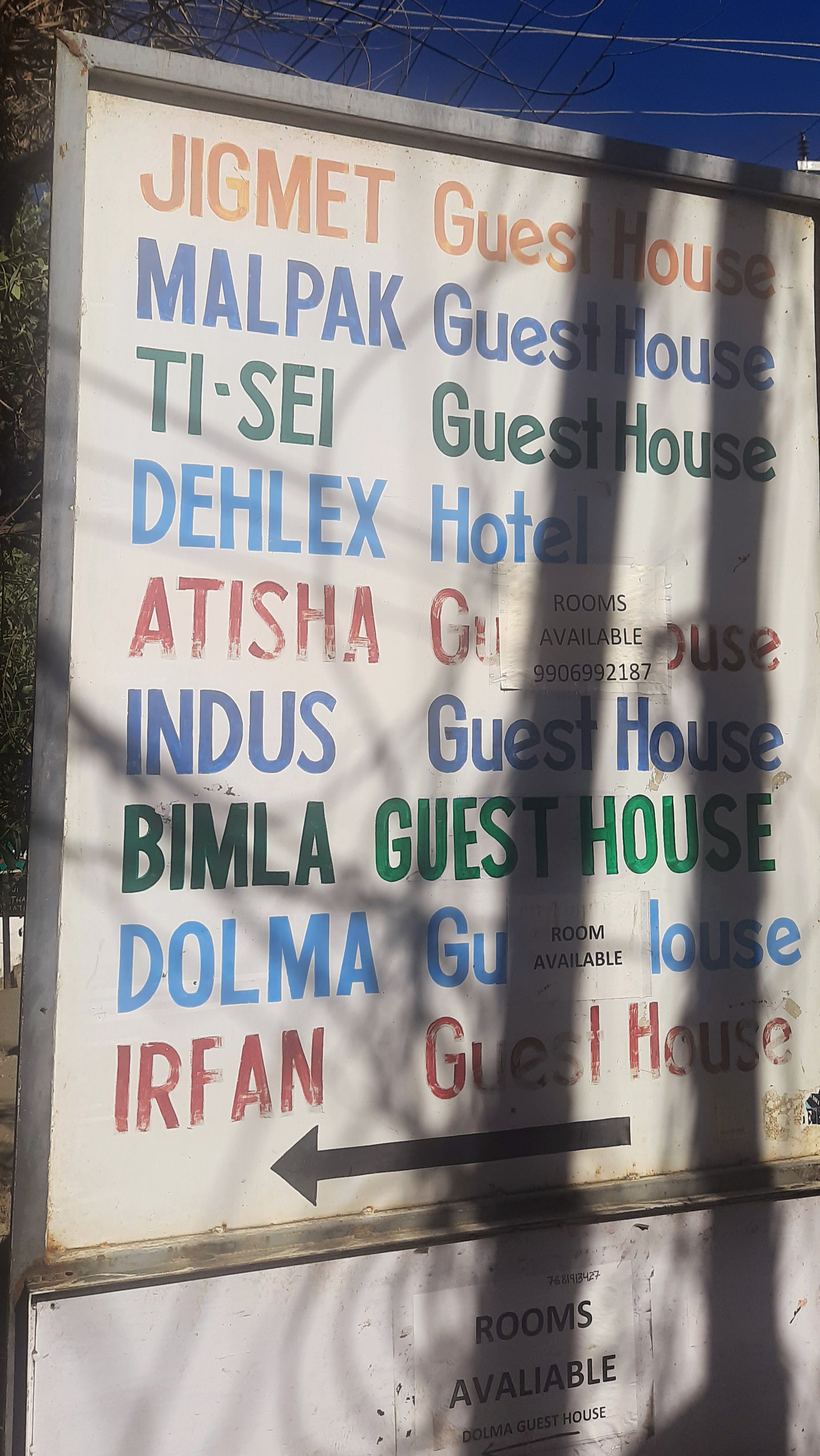

More than enough sleeping options in Changspa!
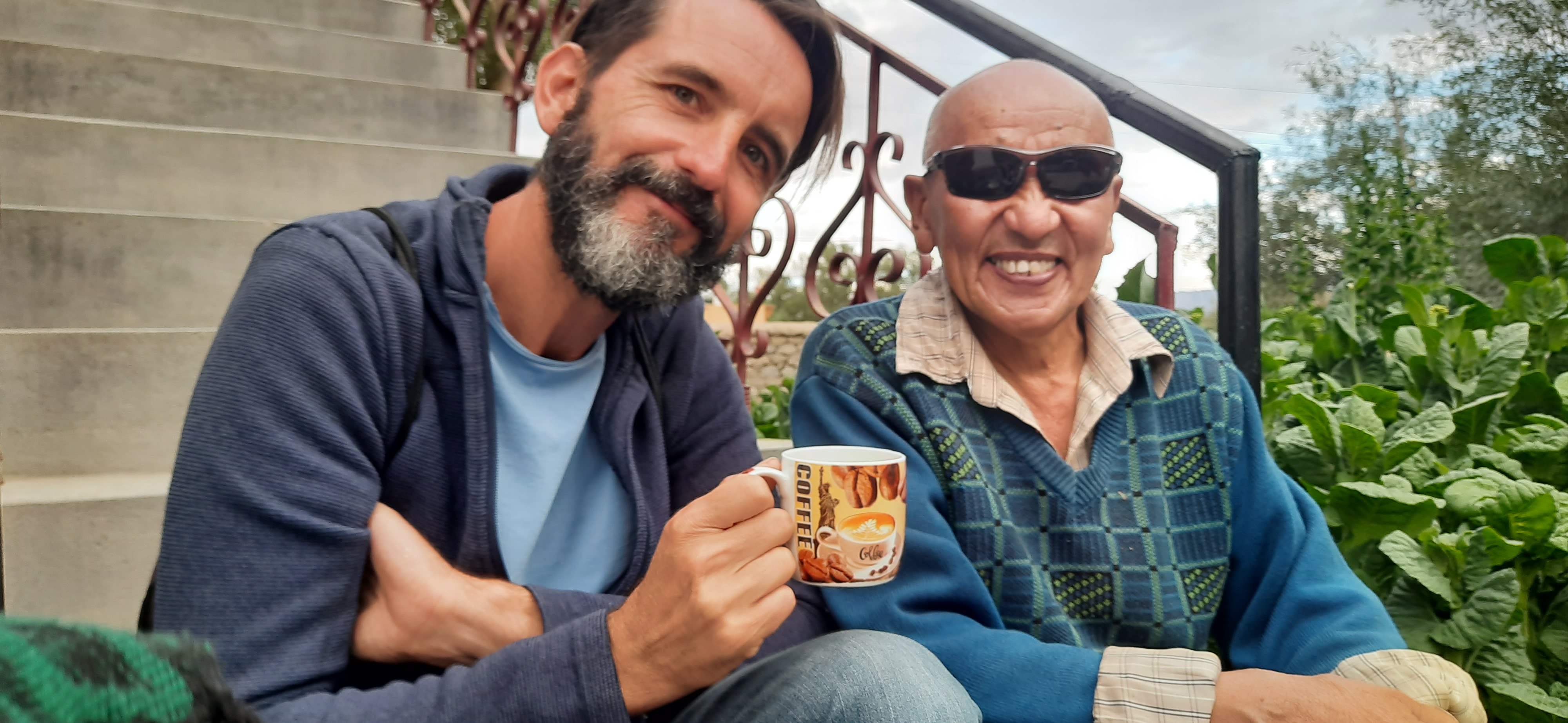
Nurboo’s family
We were for example, staying at Nurboo Guesthouse, run by the two very empathetic brothers Nurboo and Dawa, at the first level of their and their parents’ house.
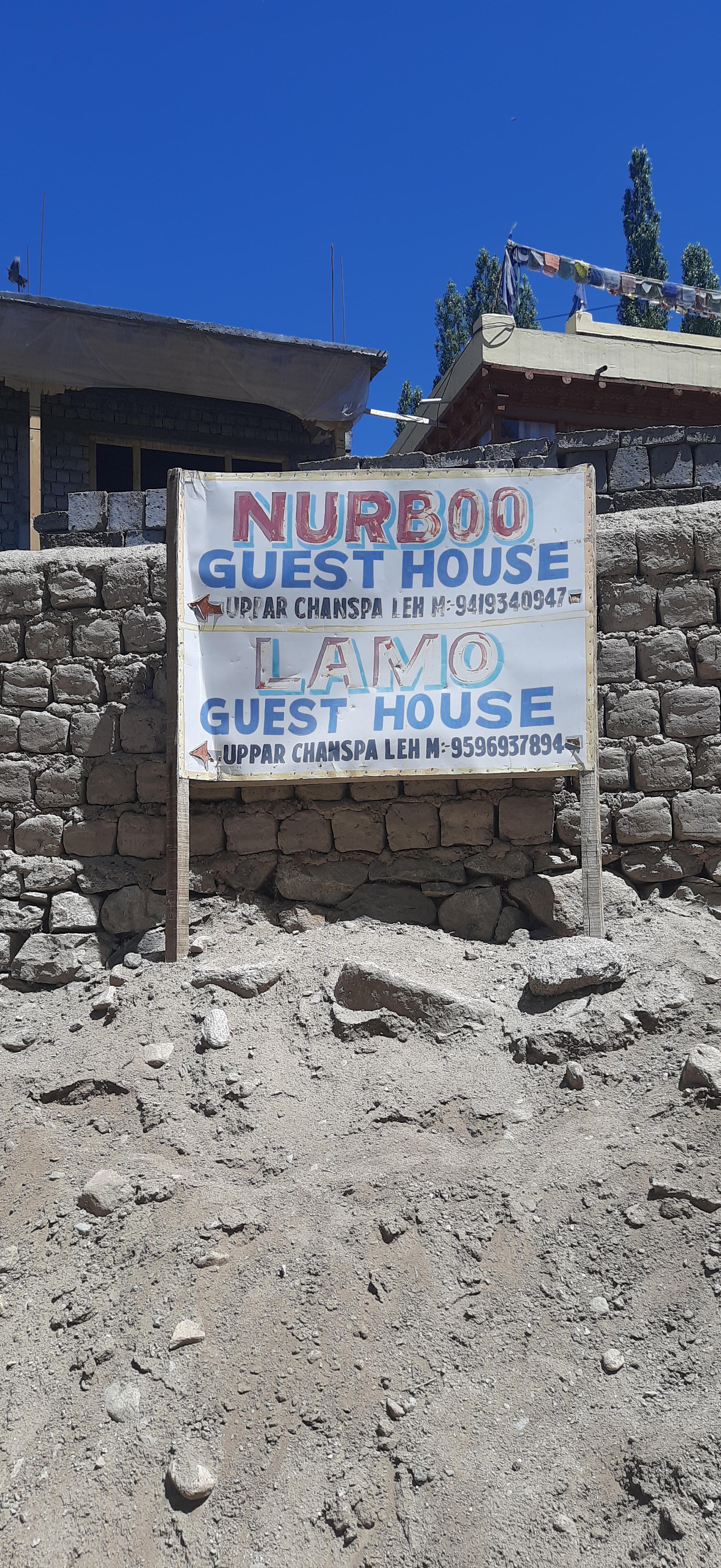
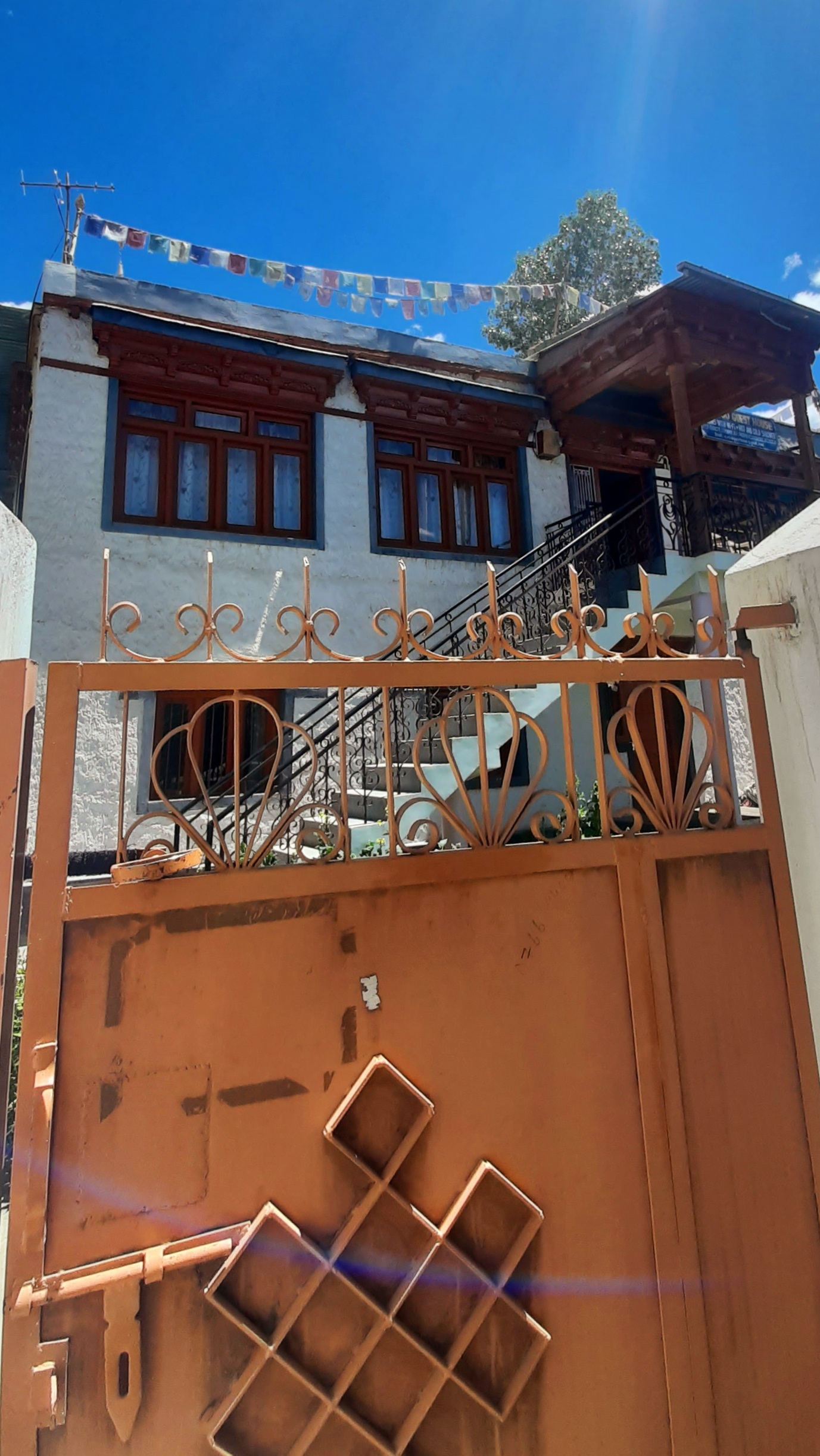
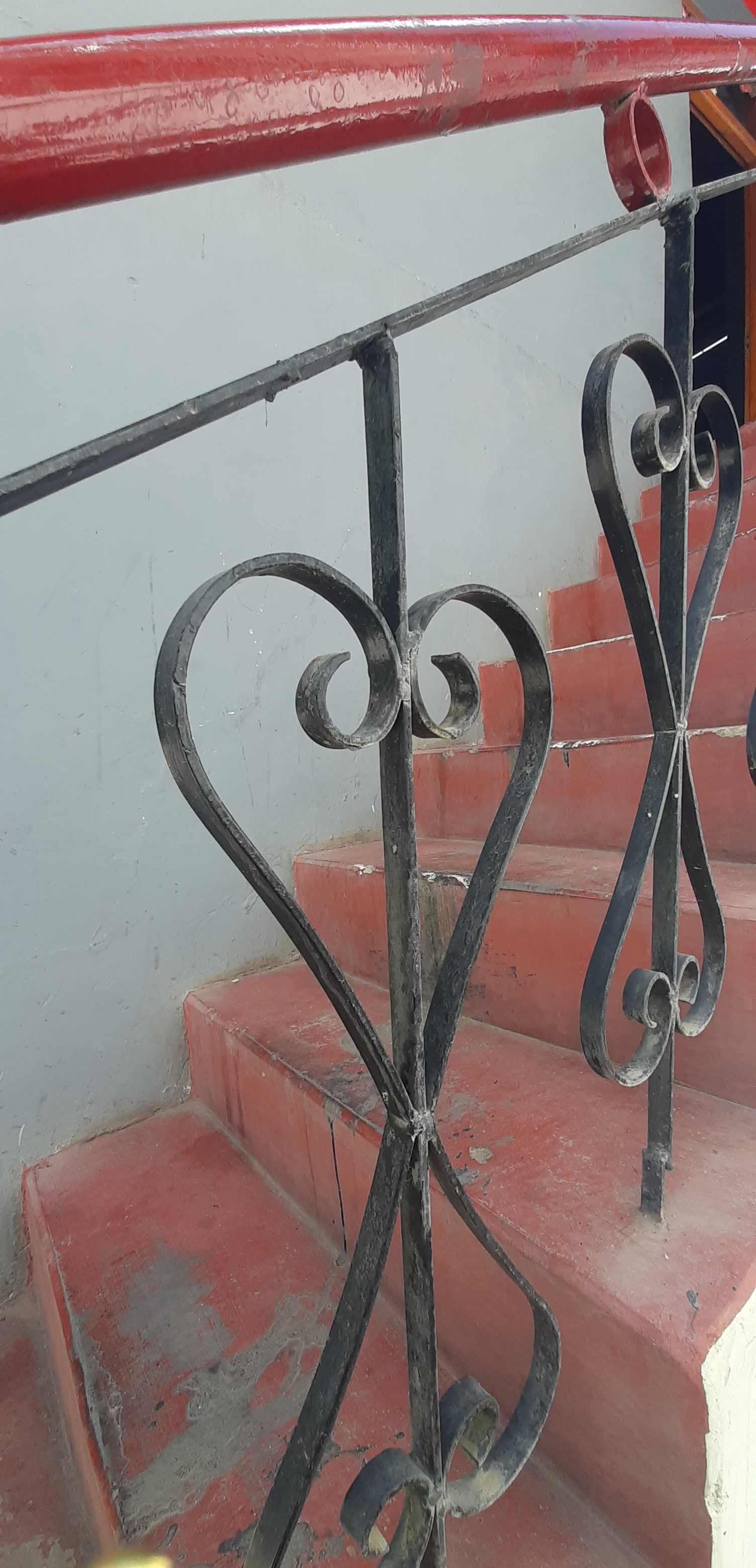
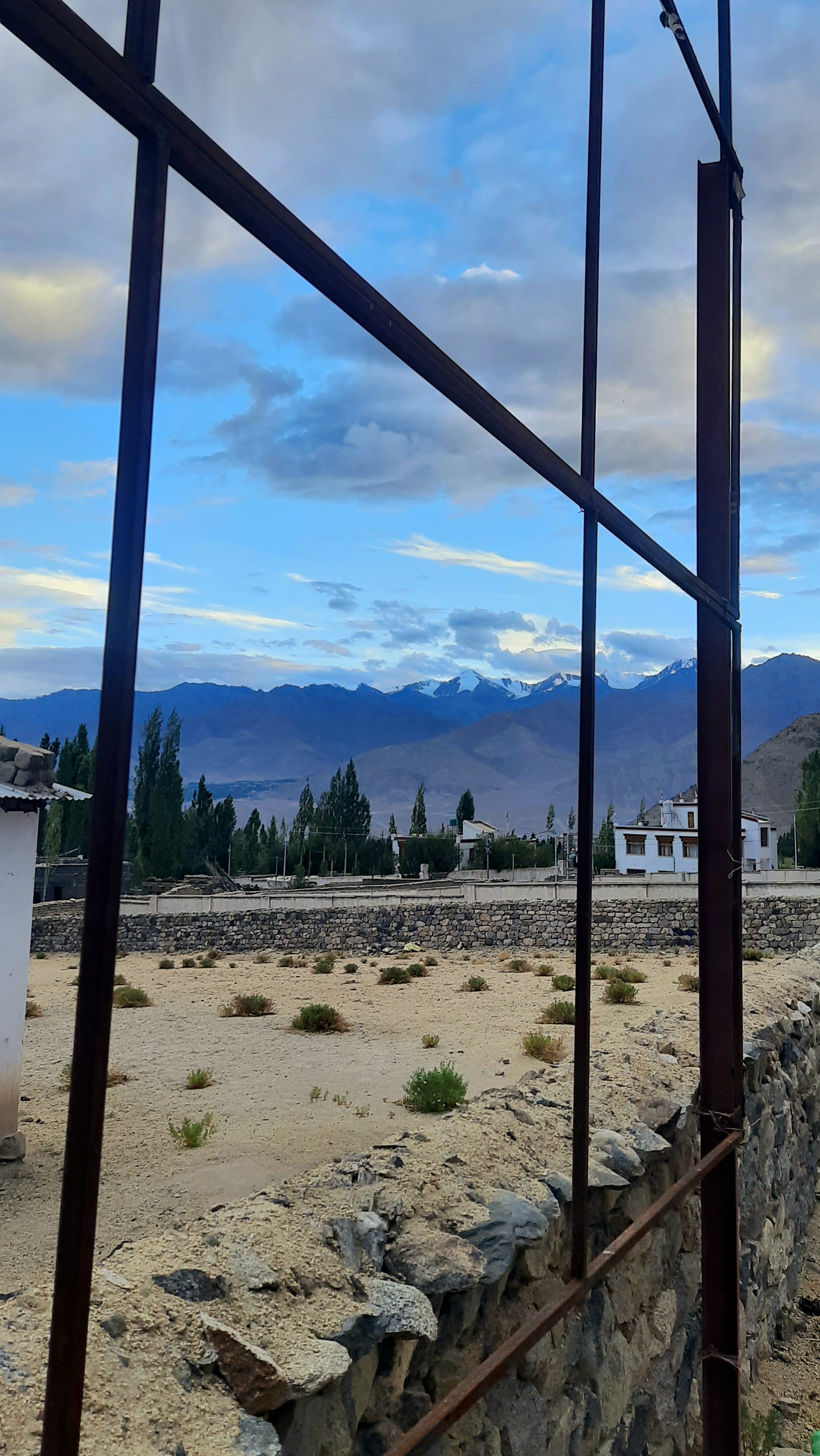
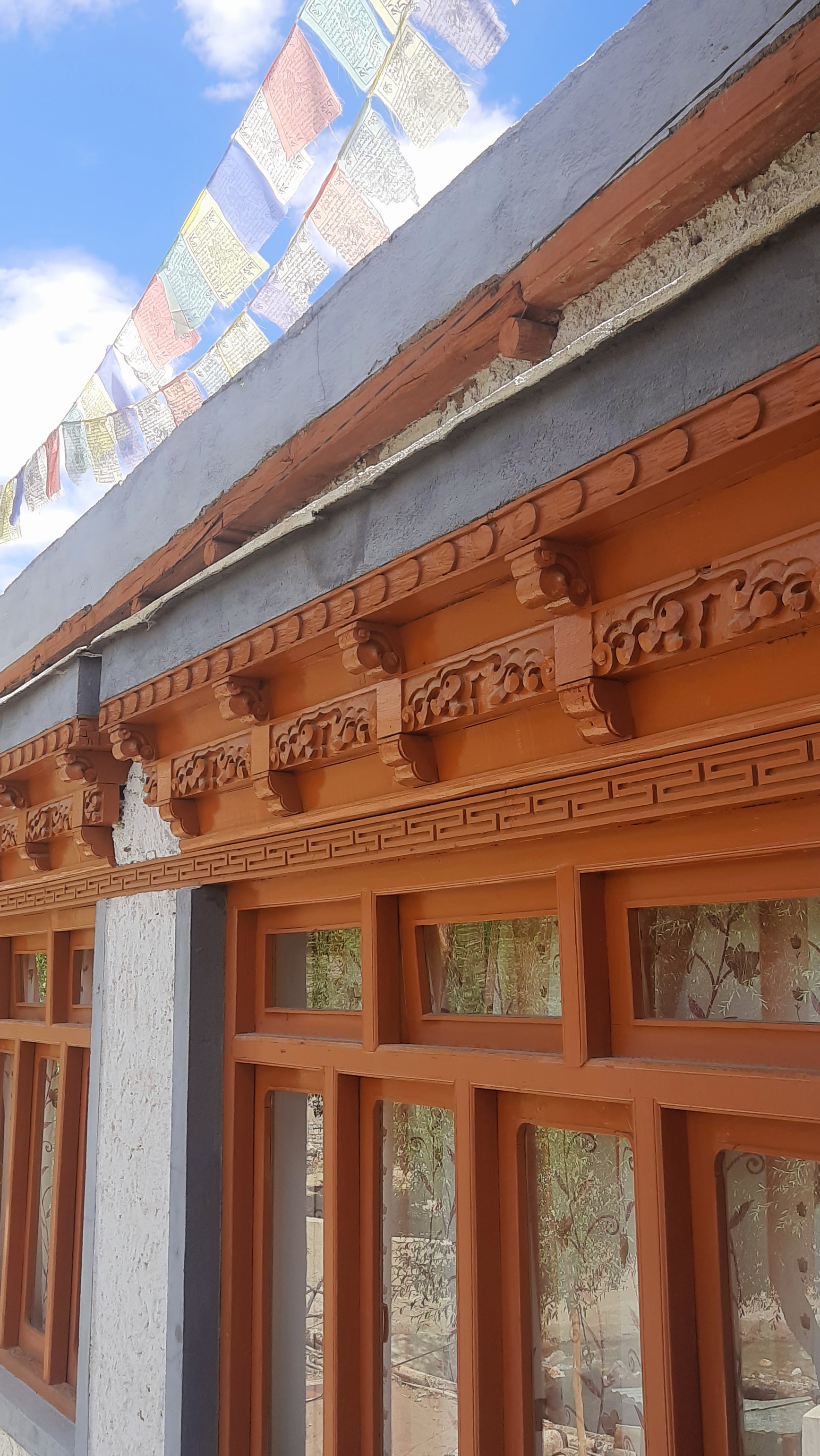
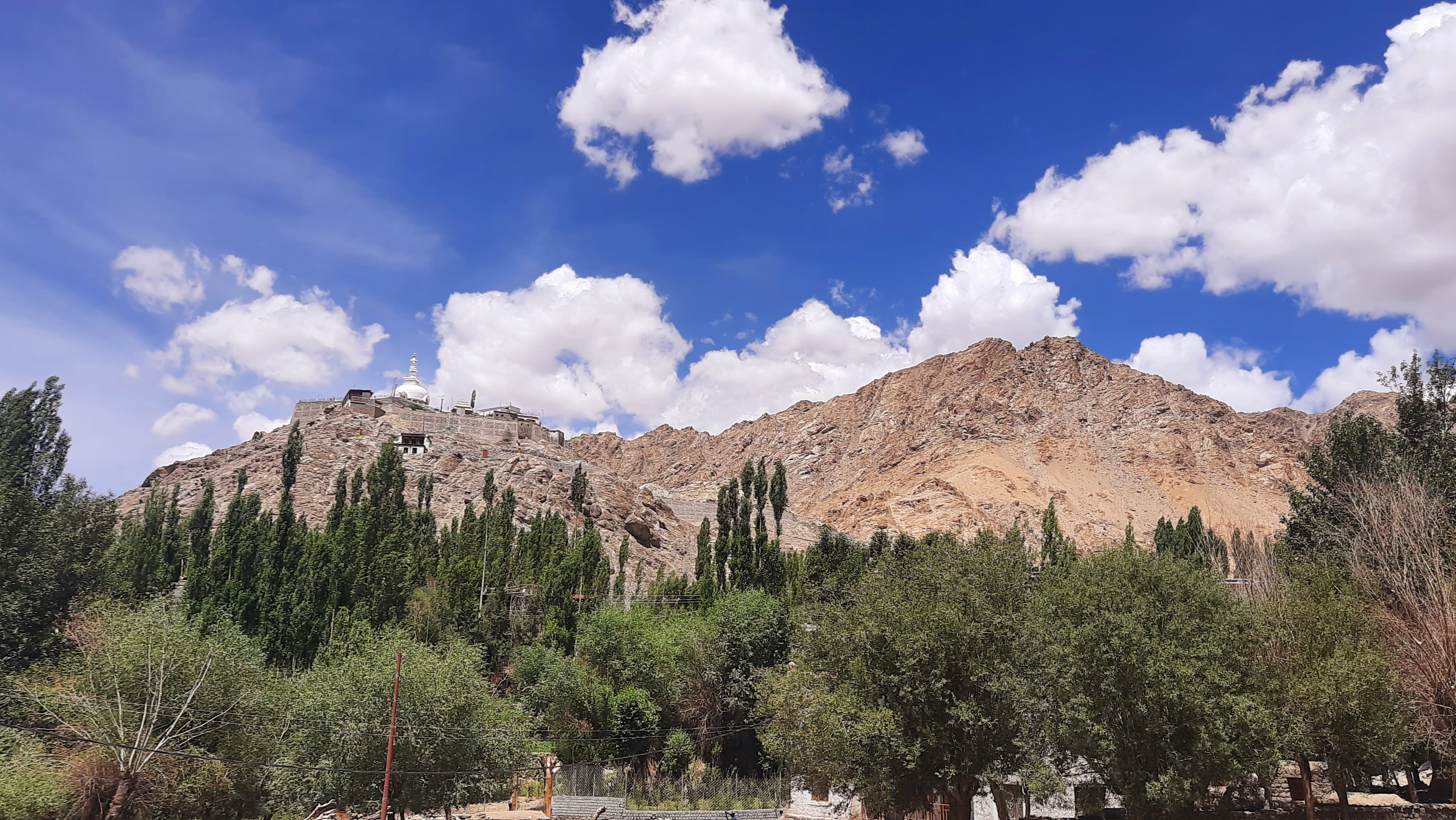
This small guesthouse (5 rooms in total) is located in Changspa, very close to the Shanti Stupa (only a 5 minutes walk) and the city center (15-20 minutes walking distance). From our spacious room with a glass wall on 2 sides we could see not only the stupa hilltop and the hill with Leh Palace on top, but the whole Himalaya mountain range as well!

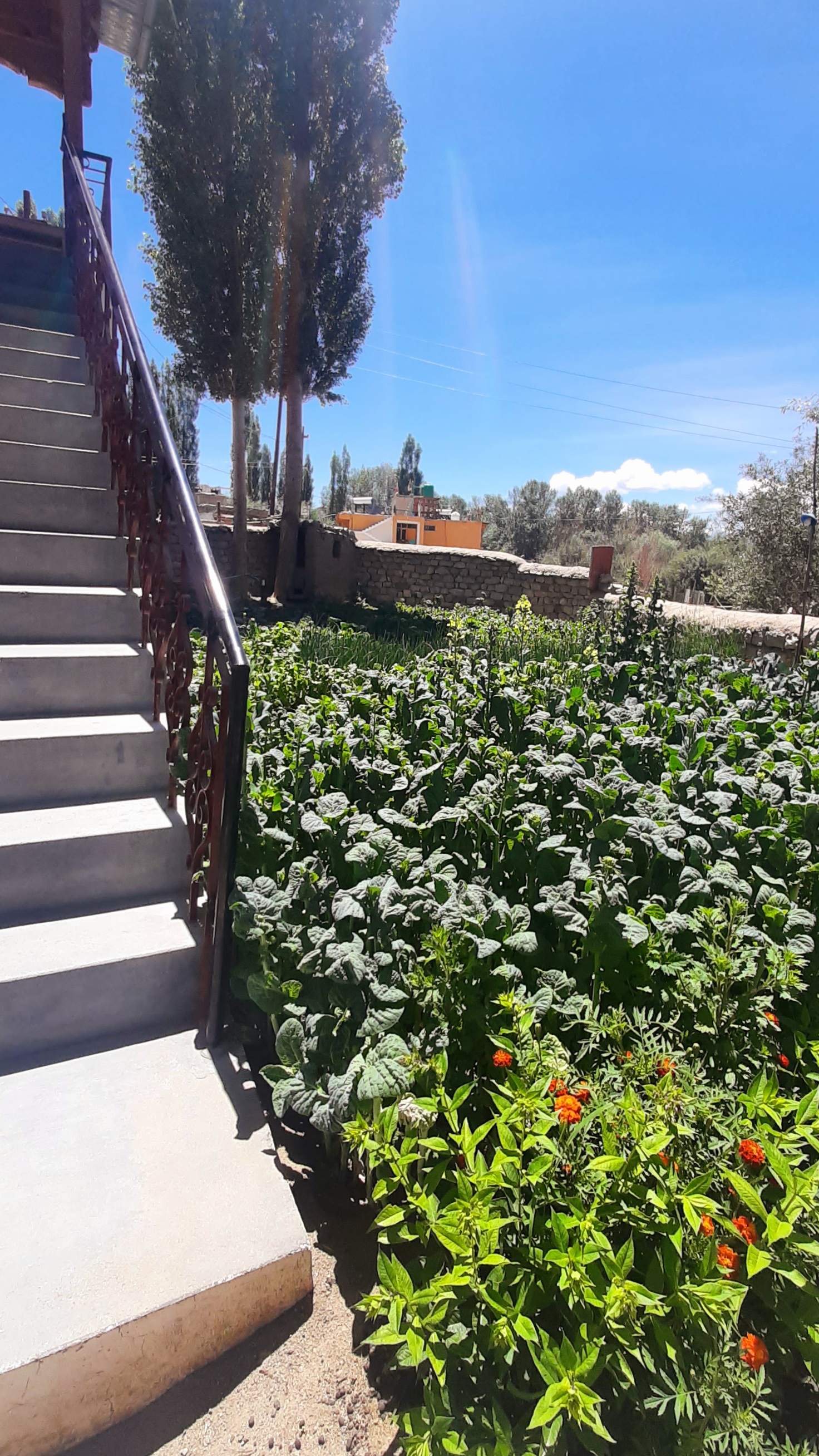
Fresh from the garden
Many families in Leh grow their own vegetables in the garden we learned. Because the city is located at a height of 3500 meters, traditionally only one crop a year can be grown.
This crop is called grim (‘naked barley’) and from this tsampa, one of the main dishes of Ladakh, is made.
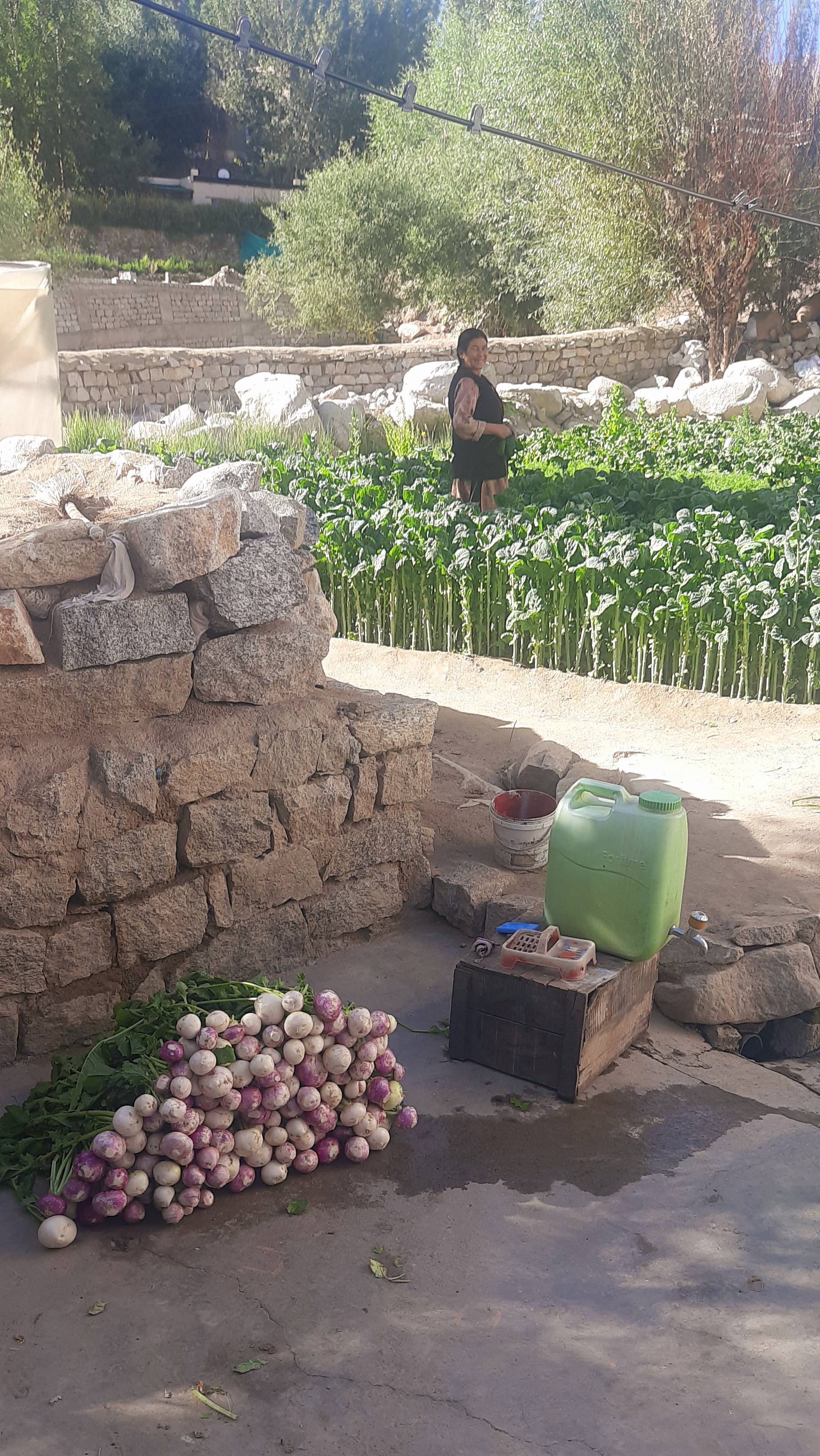
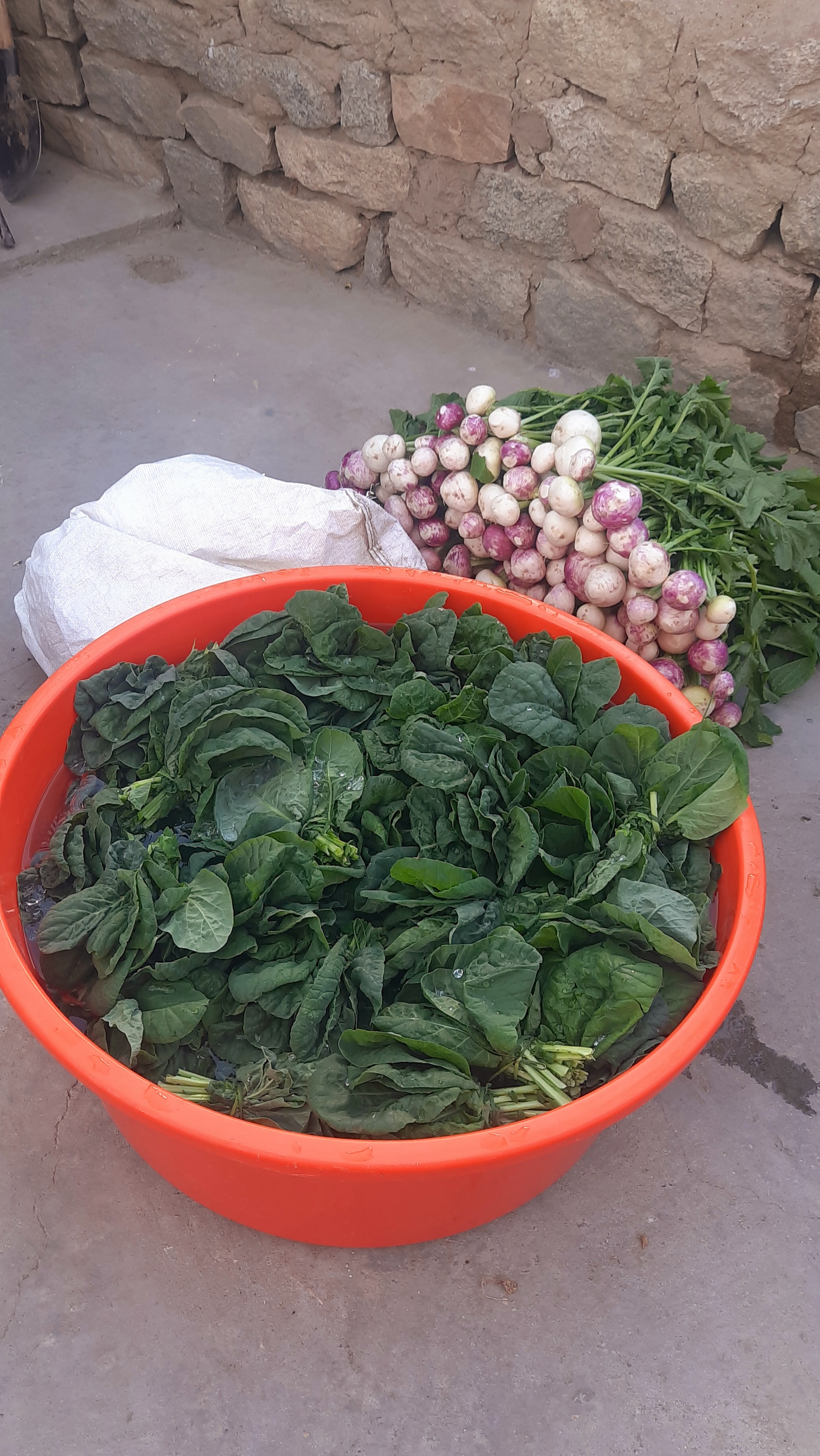
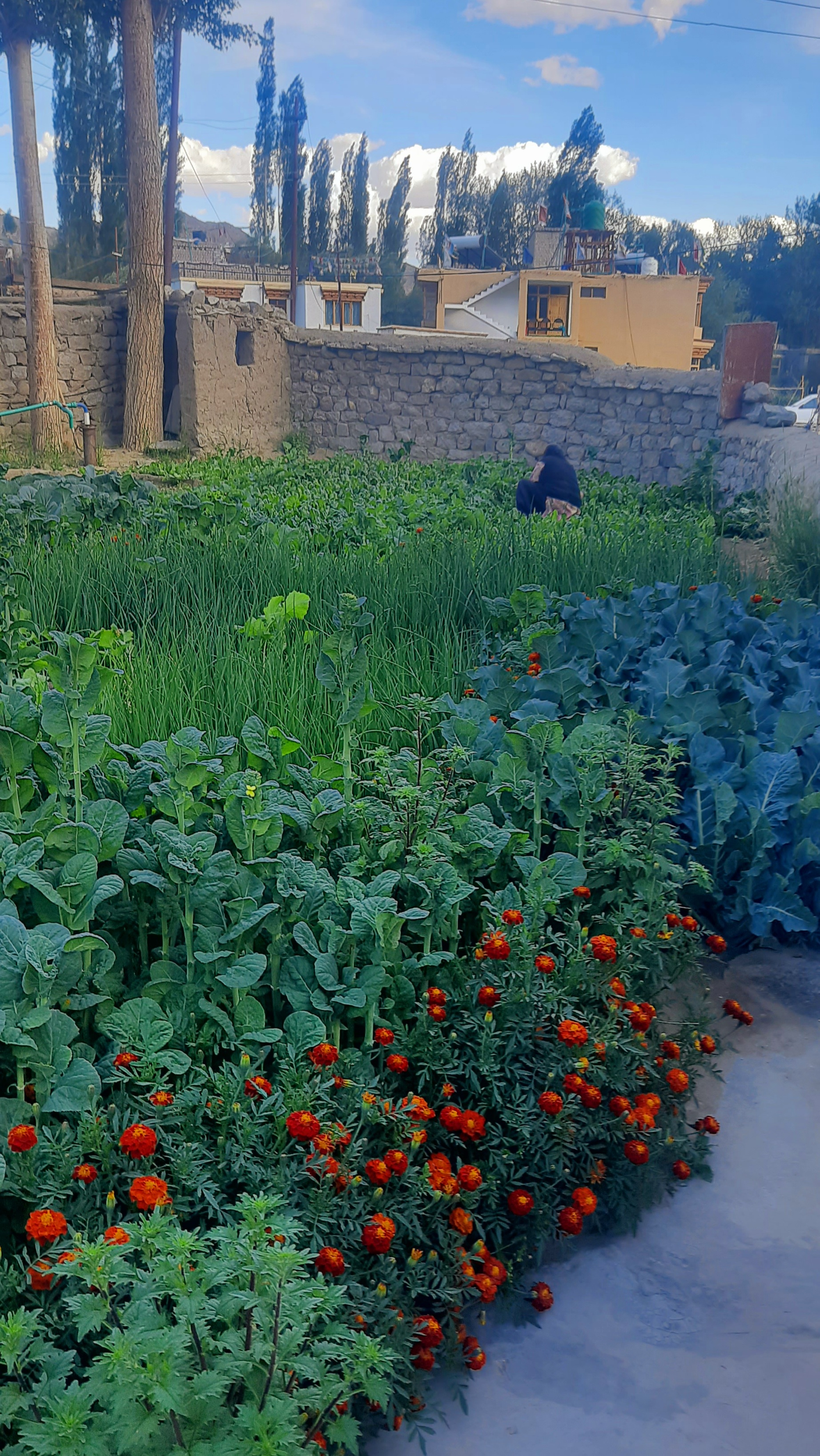
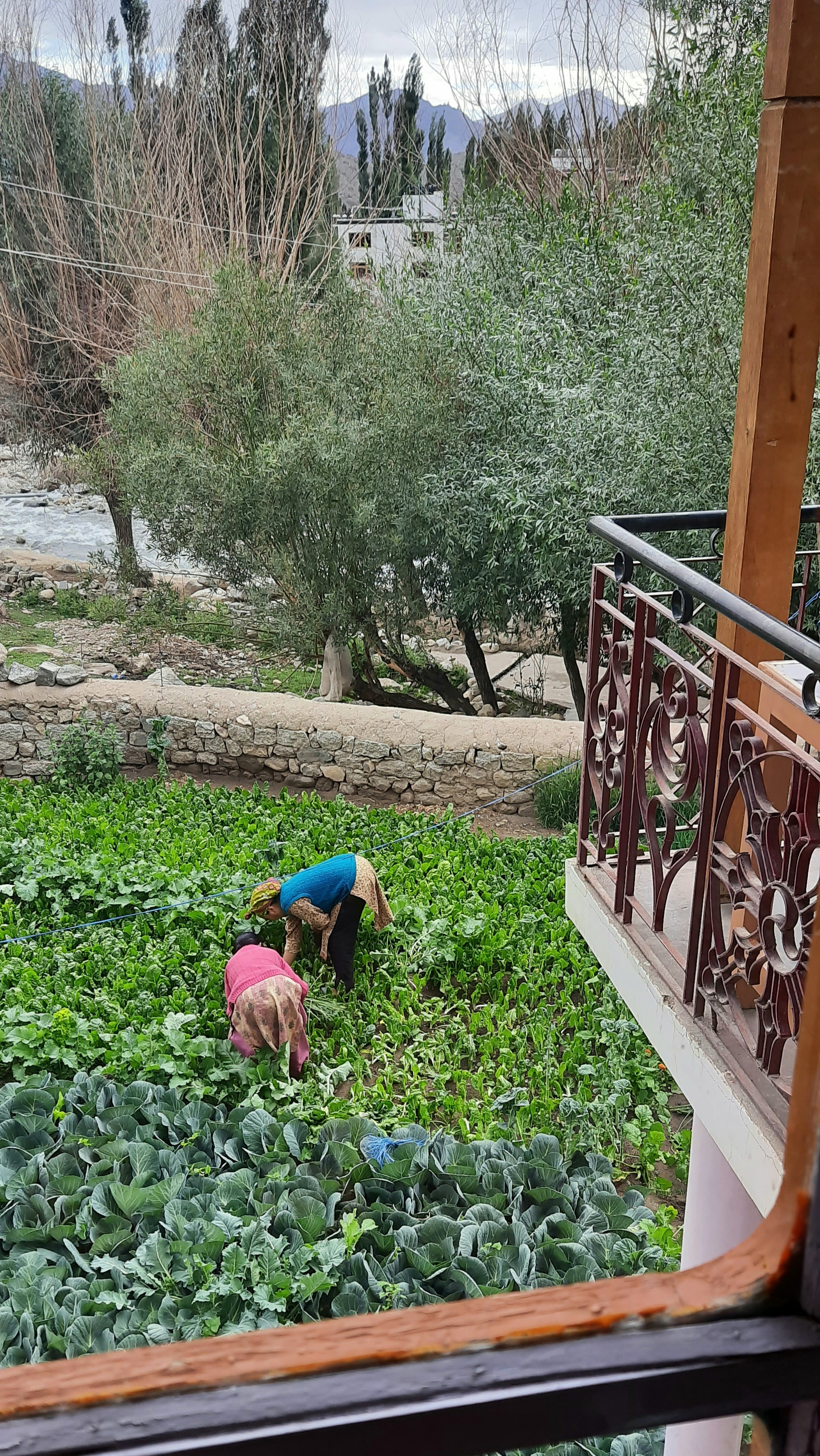
Because of the heavy winter weather conditions and the closed off road, they need to be very concious with their food and vegetables. Part of the garden harvest is canned or preserved to be consumed later in the year.


Home cooked Ladakhi food
Not only do they grow their own food, many families also make all their meals from scratch with the fresh ingredients from the garden, or the market. So a great way to try the local food is by enjoying it at your new home!
In the morning for example you can choose to prepare you’re own breakfast or have a Ladakhi one: this means Ladakhi tea, homemade apricot jam and Ladakhi kambir bread (and eggs).

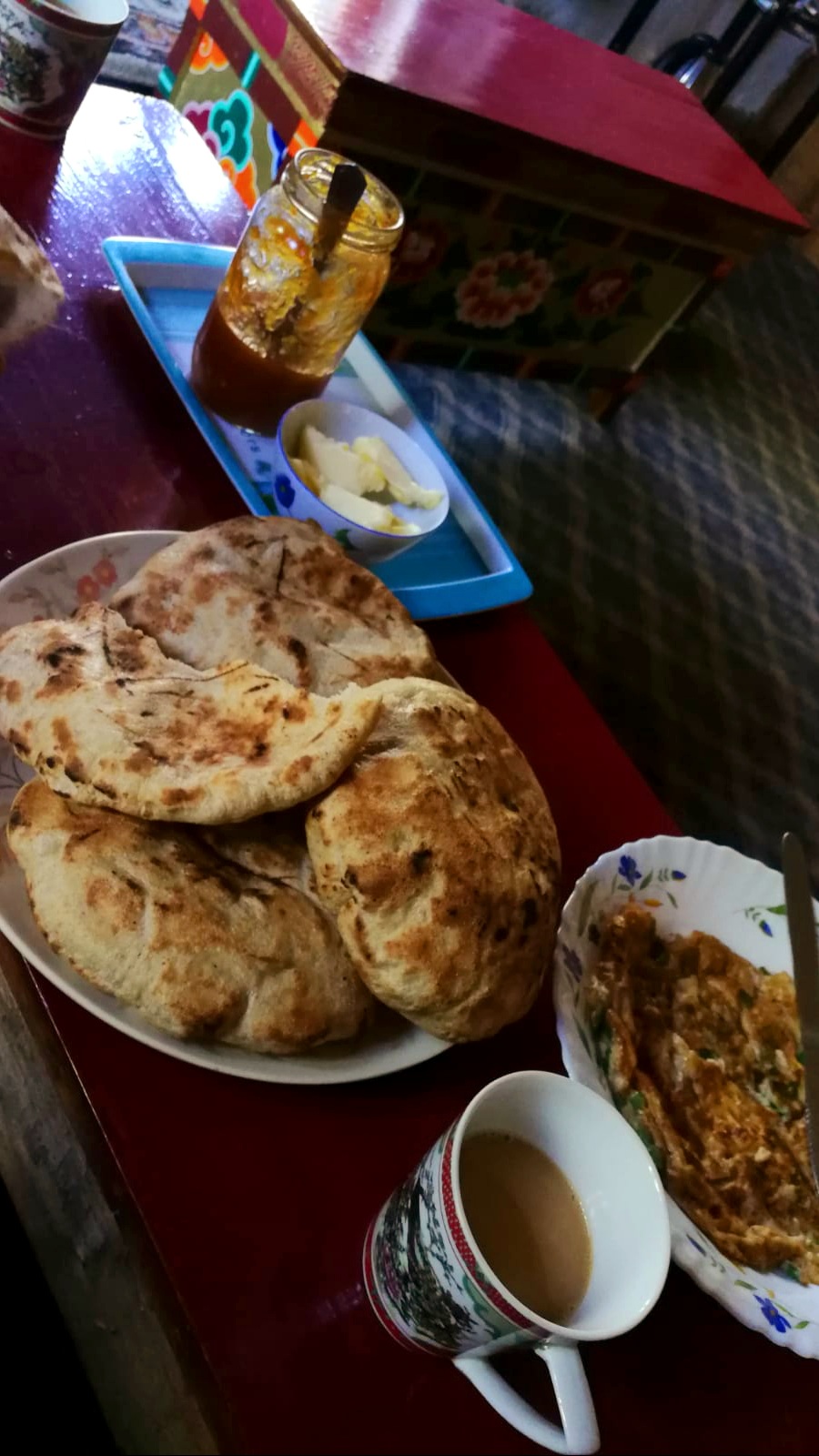
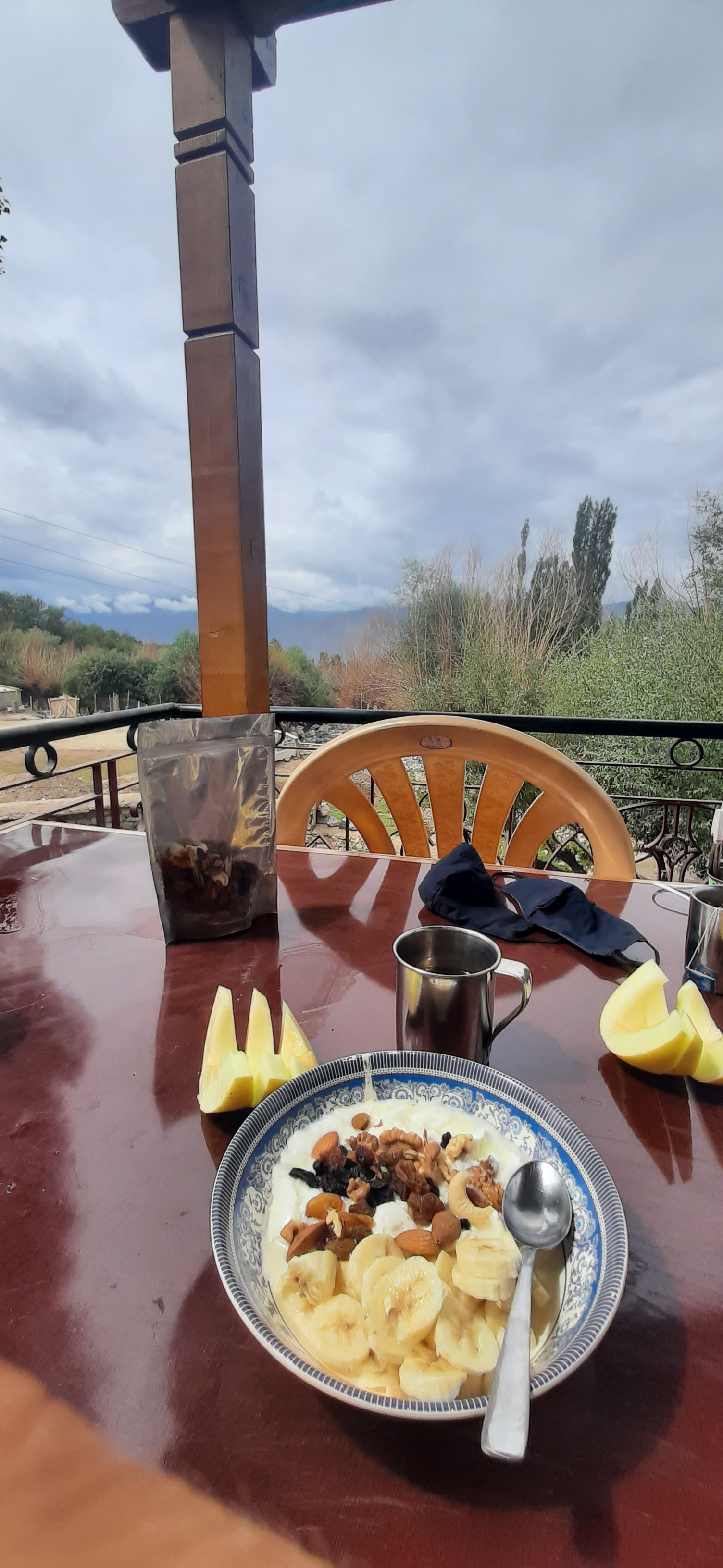
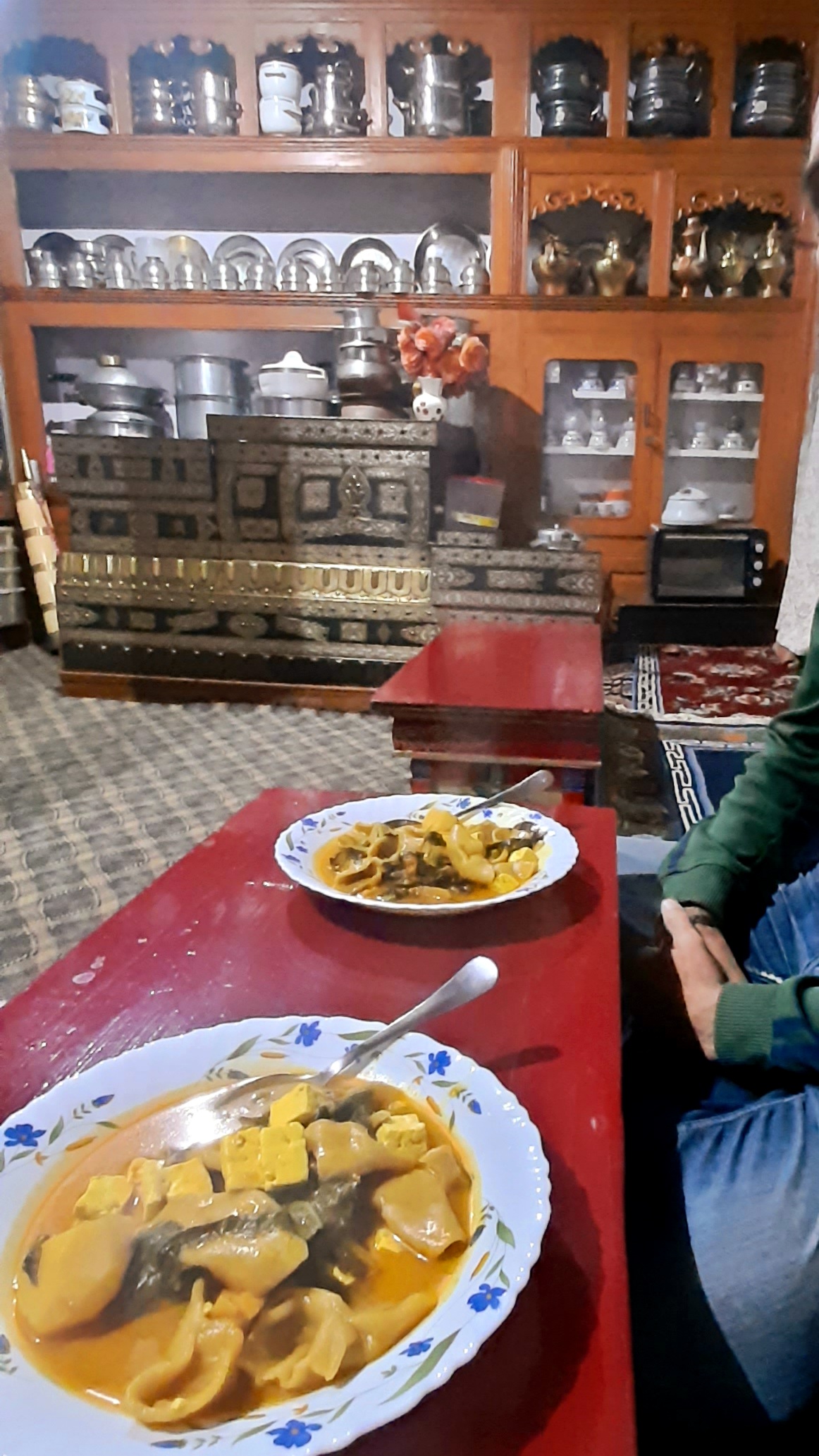
All the traditional houses have a big Ladakhi kitchen with a stove in the middle and large wooden boards full of pots and pans. Serving of the food is been done in this family room, preparation of the food happens in a seperate, smaller kitchen area – and it you get really close with the family, you might end up having dinner with them there!
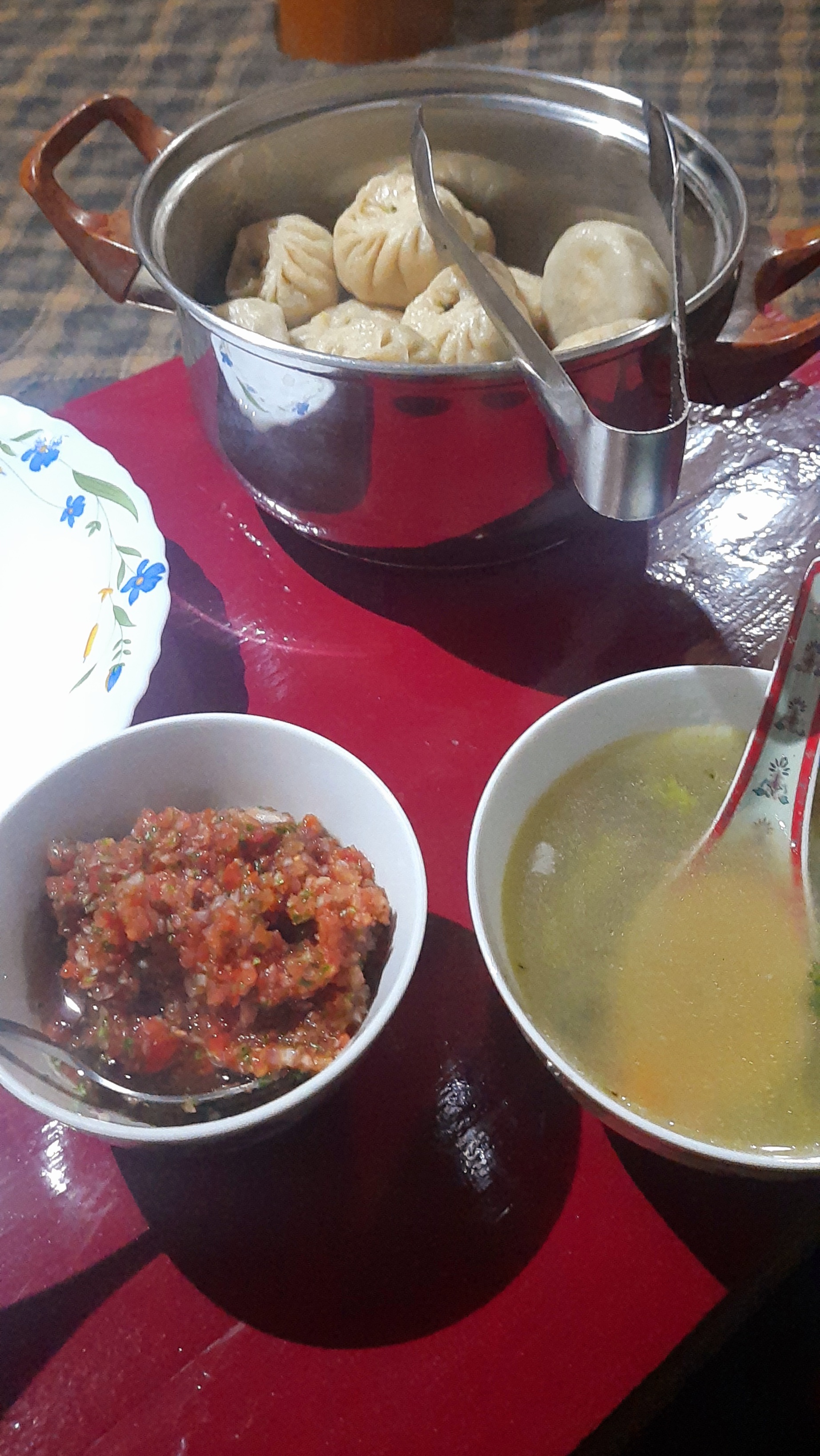
We had the chance to try several Ladakhi dishes: Chutagi, the Tibetan stew for example, and fresh made veg(etable) momos ofcourse!
Nurboo Guesthouse, Yurthung Rd, Leh Ladakh 194101, India
 Breuhuys
One Reply to “”