
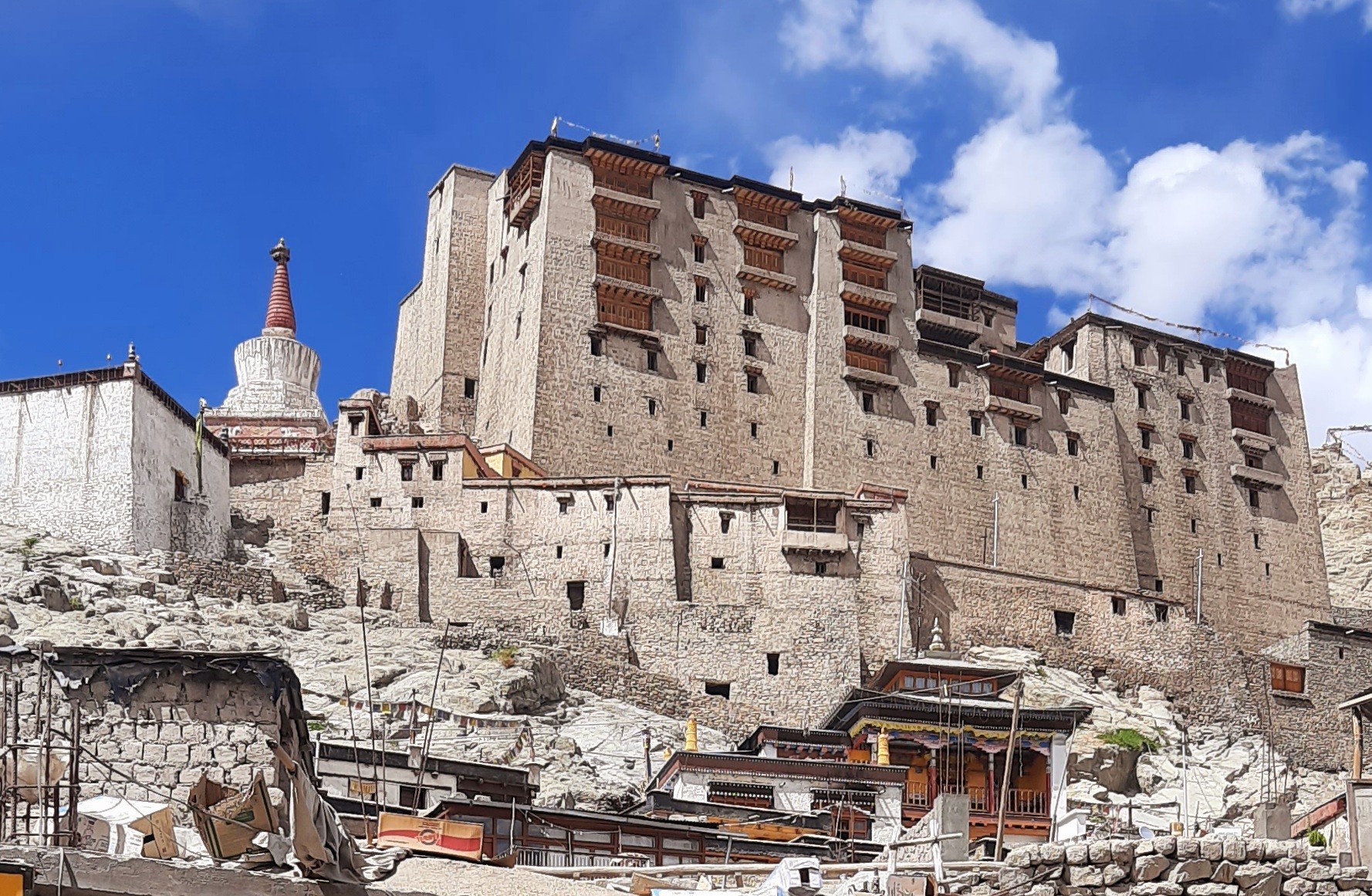
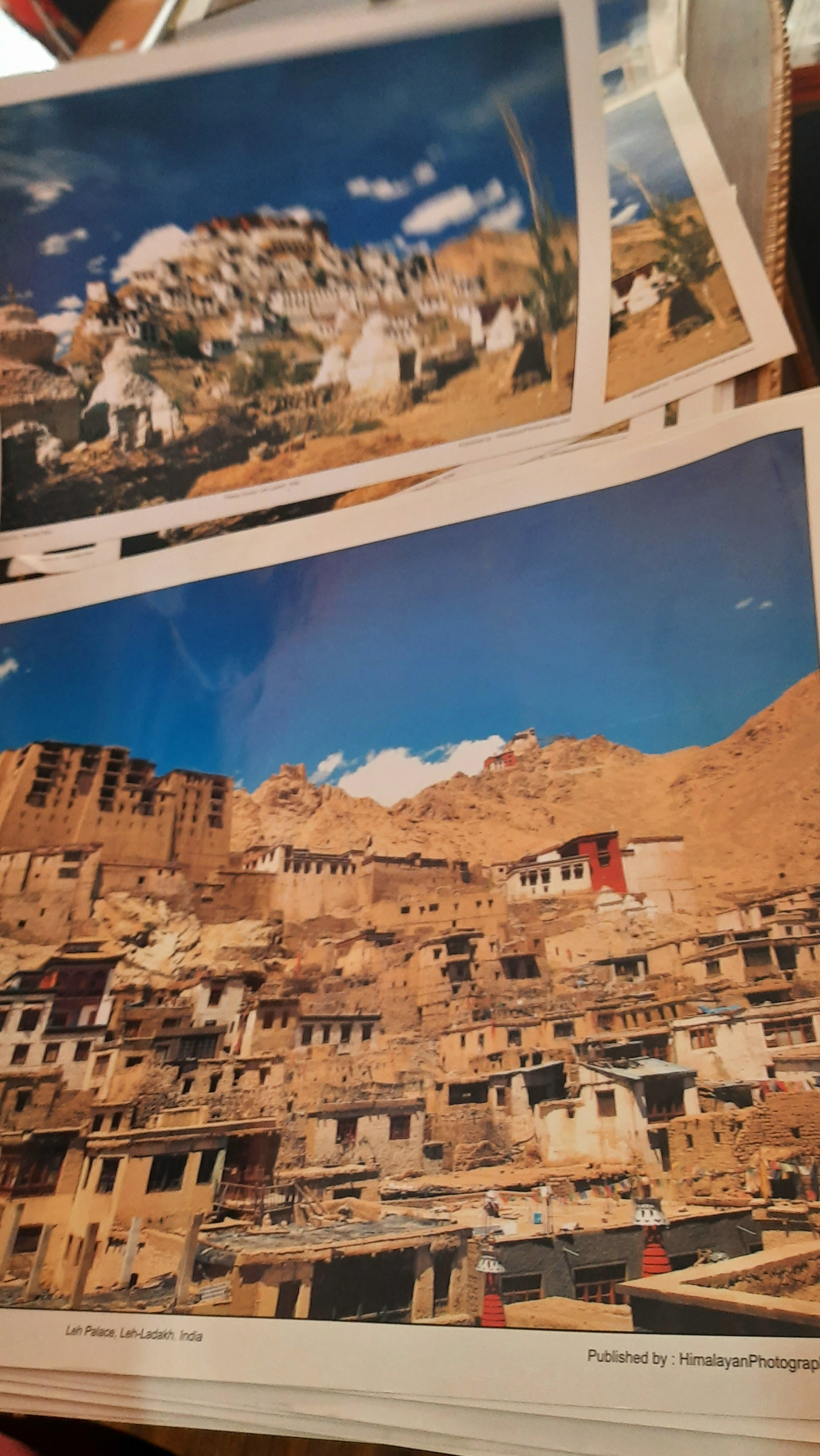
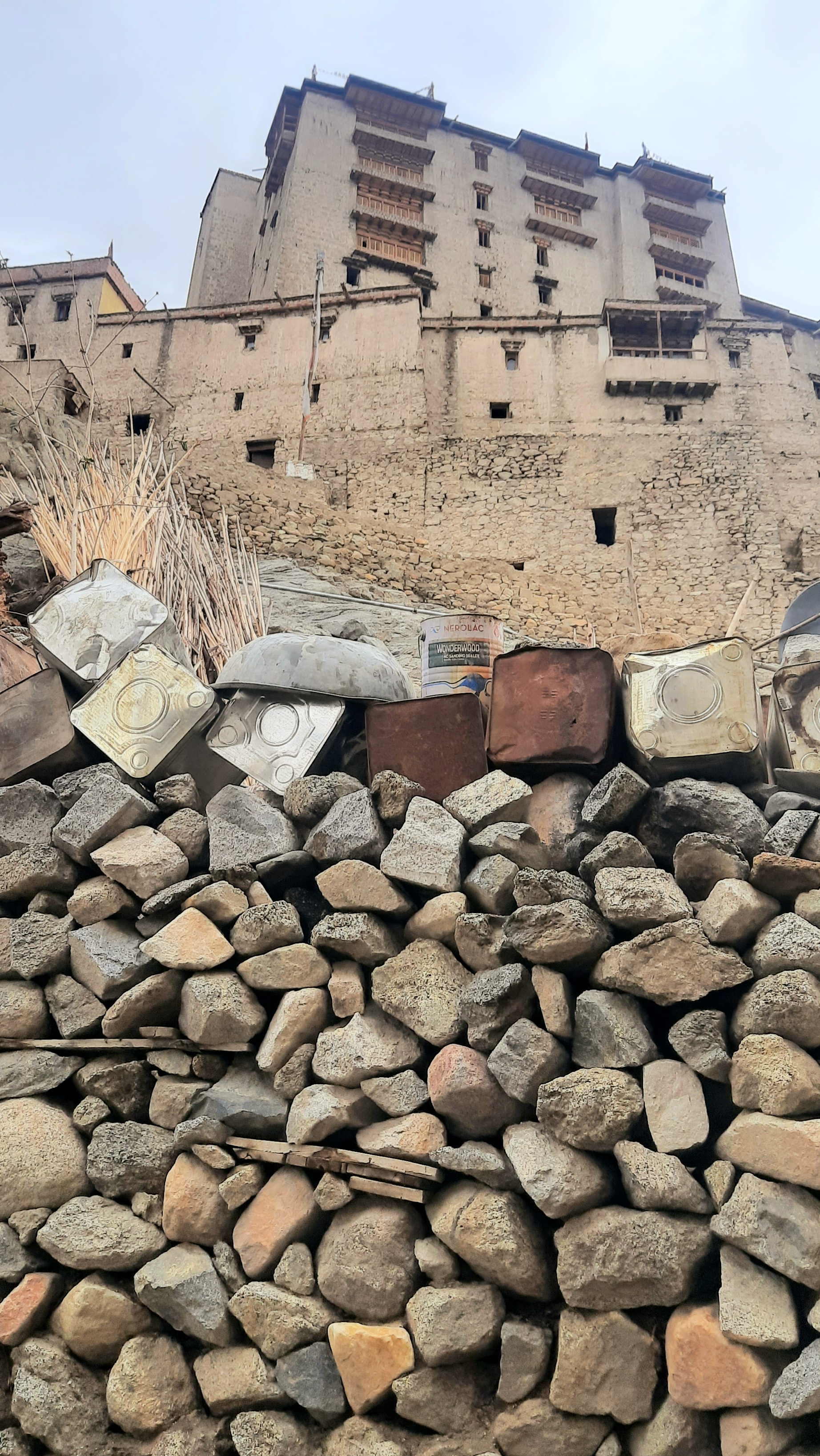
Leh Palace or Lachen Palkar Palace, the former royal palace is the first thing you notice when you walk through Leh. This palace was probably built by a king named Sengge Namgyal in the 17th century, on the top of a hill overlooking the town. The king resided in the palace, along with his family.
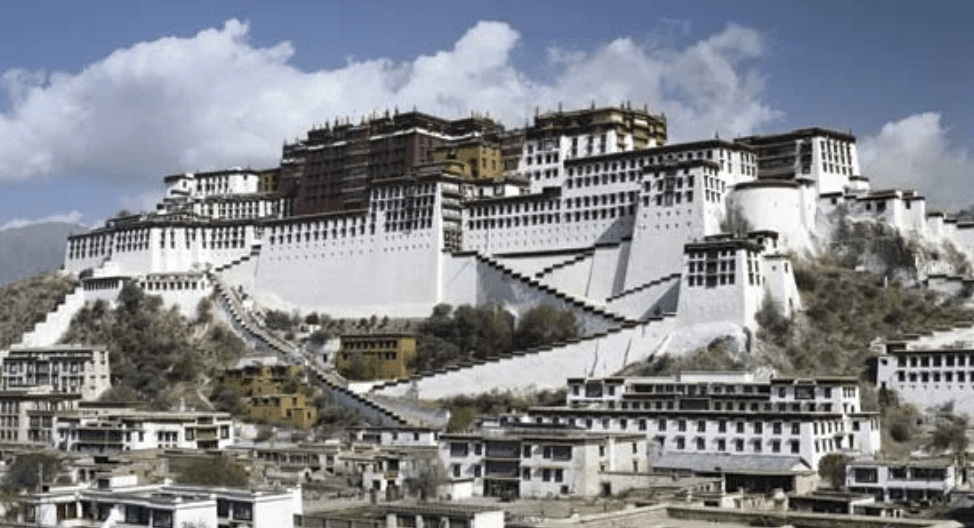
Lhasa Palace lookalike
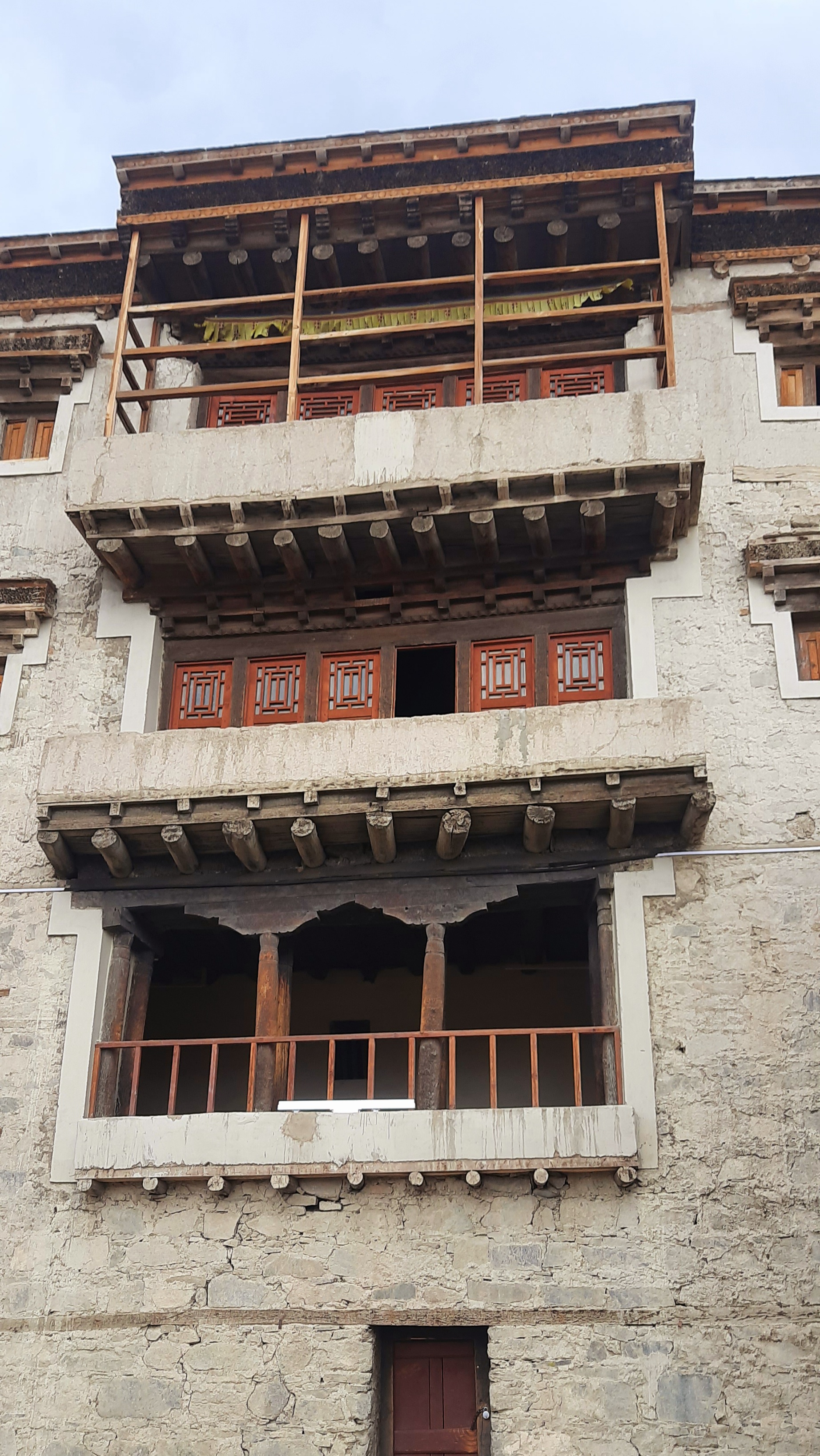
Leh Palace is built in traditional Tibetan architecture. And with its thick walls and wooden balconies it closely resembles the famous Patola Palace in Lhasa.
Special building material
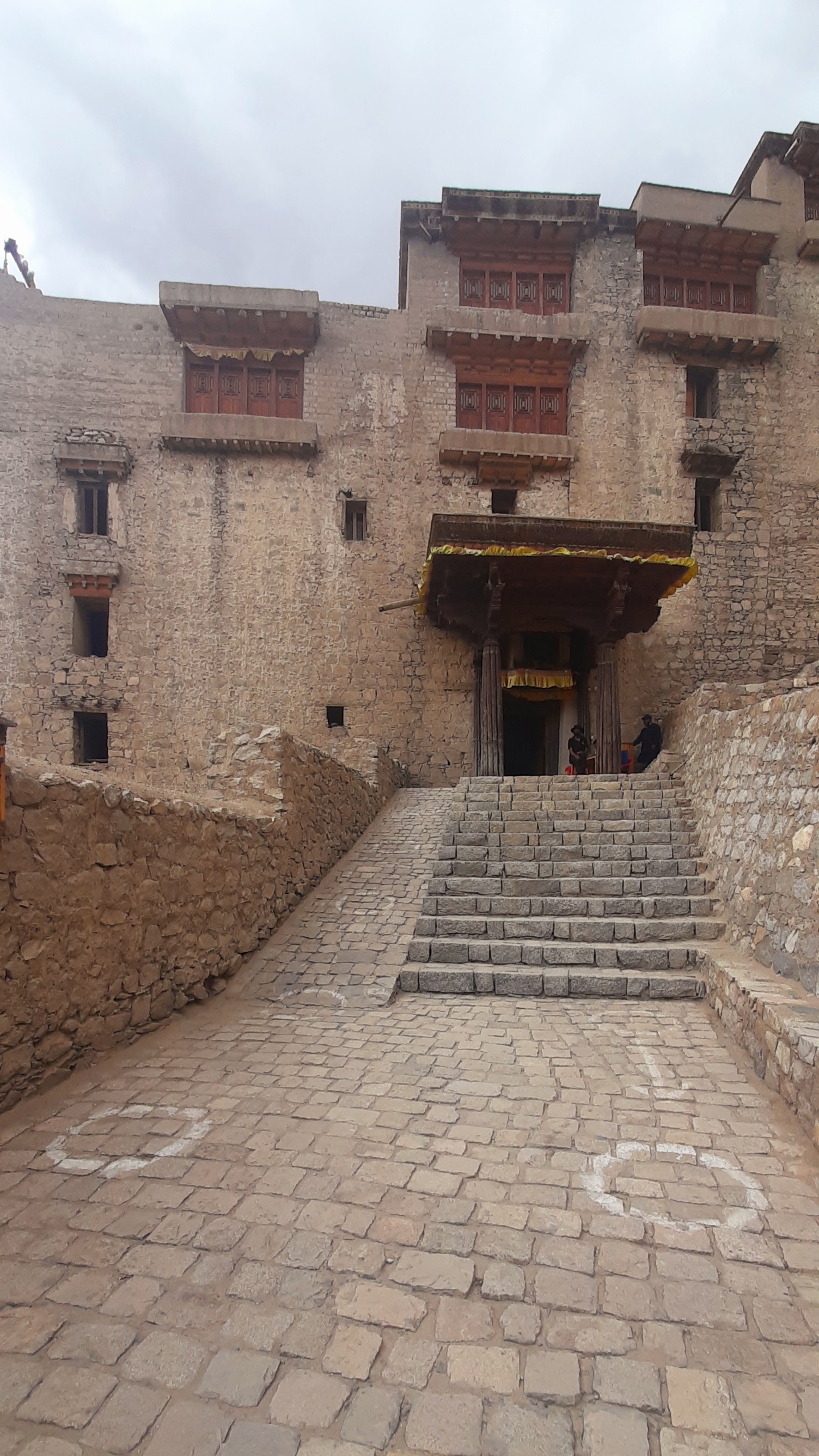
“The structure is entirely made up of hard bricks, mud, wood and sand. The unique style of construction allows the palace to illuminate itself naturally during the day.

Also, the material used is such that the temperature inside remains soothing and pleasant. The entrance to the palace is adorned with intricate wood-carved figurines.”
(Source: Holidify.com)
Tallest building of Leh
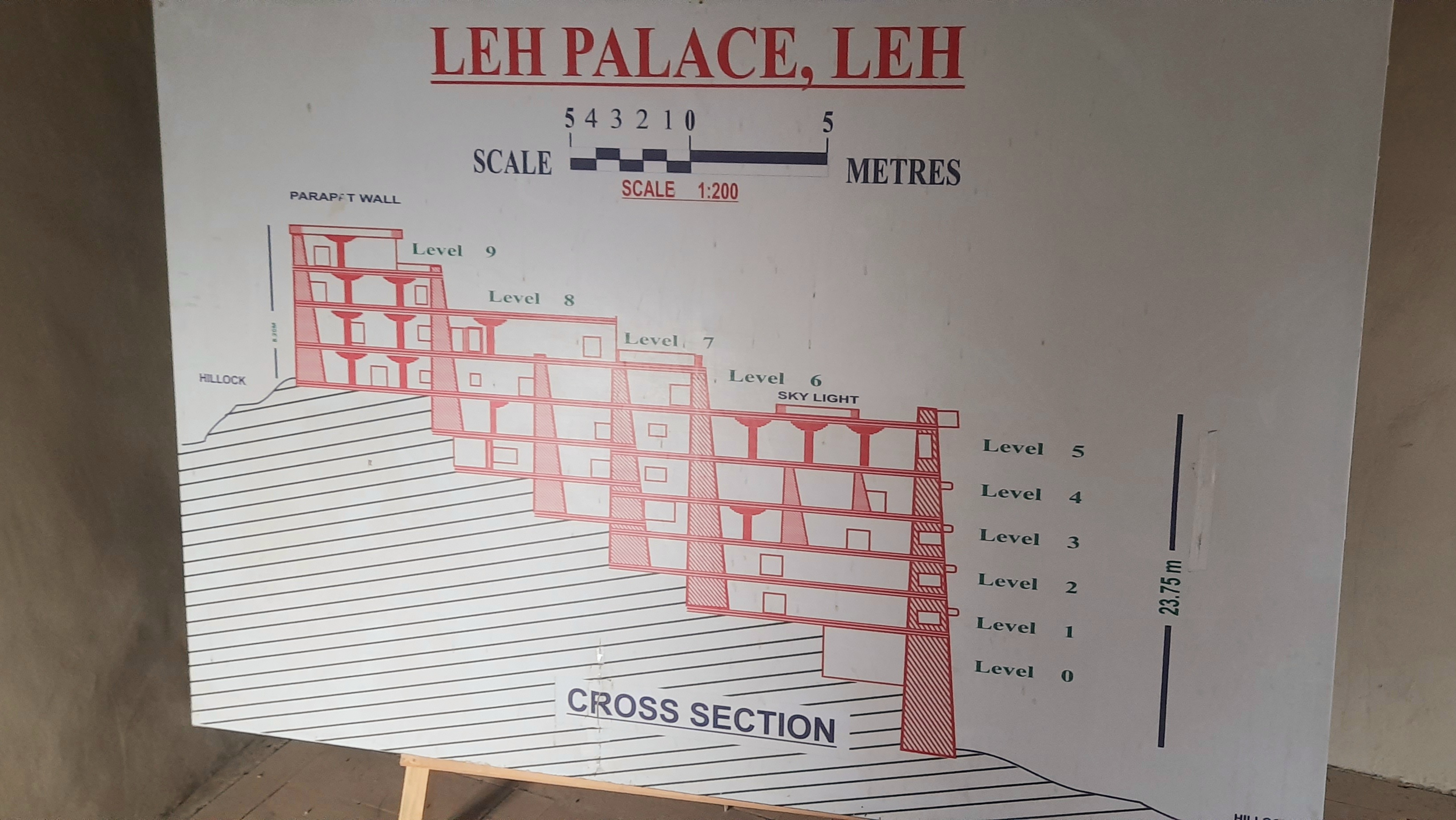
The palace is 9 storeys high, which made it one of the tallest structures of those times.
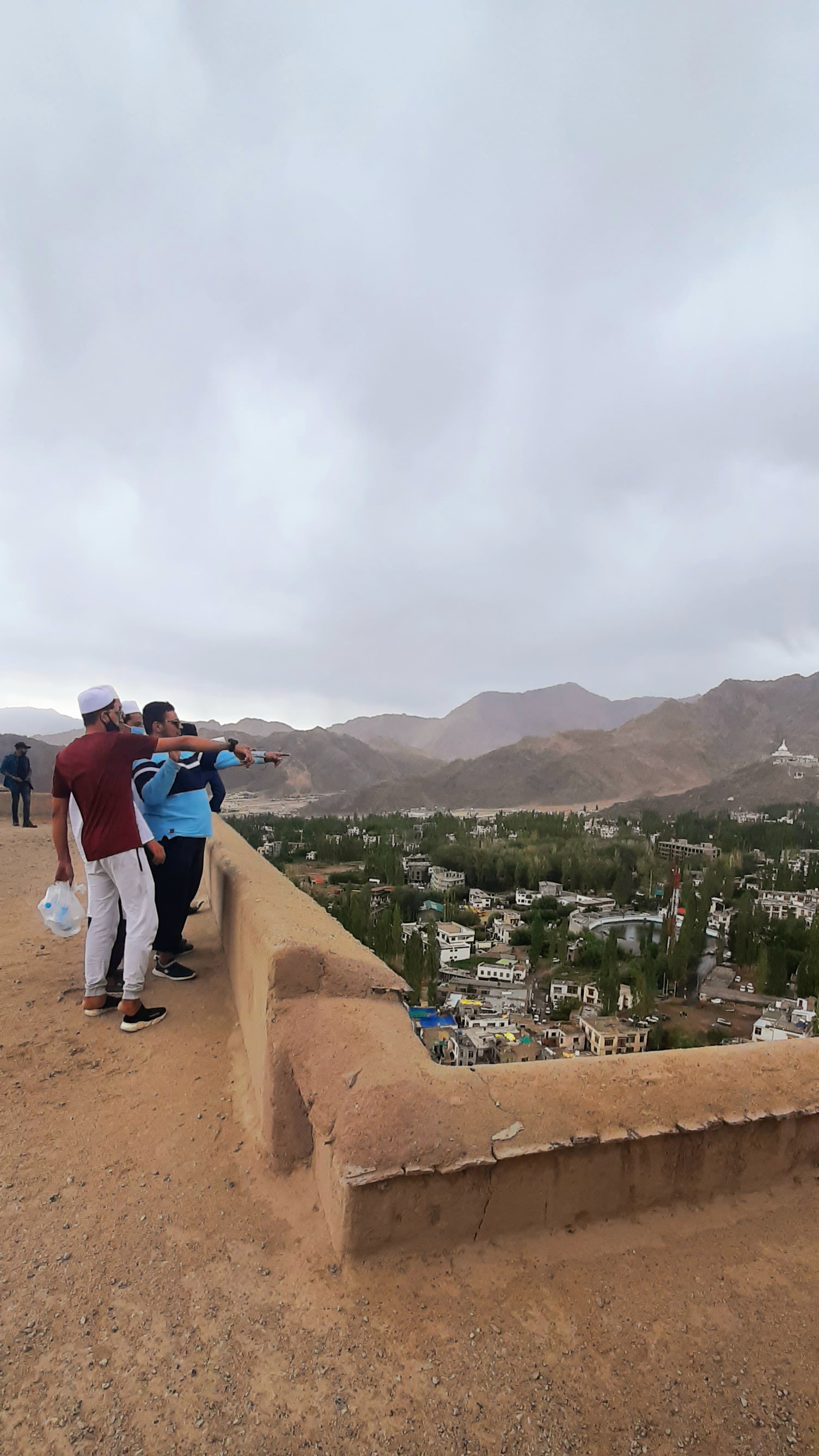
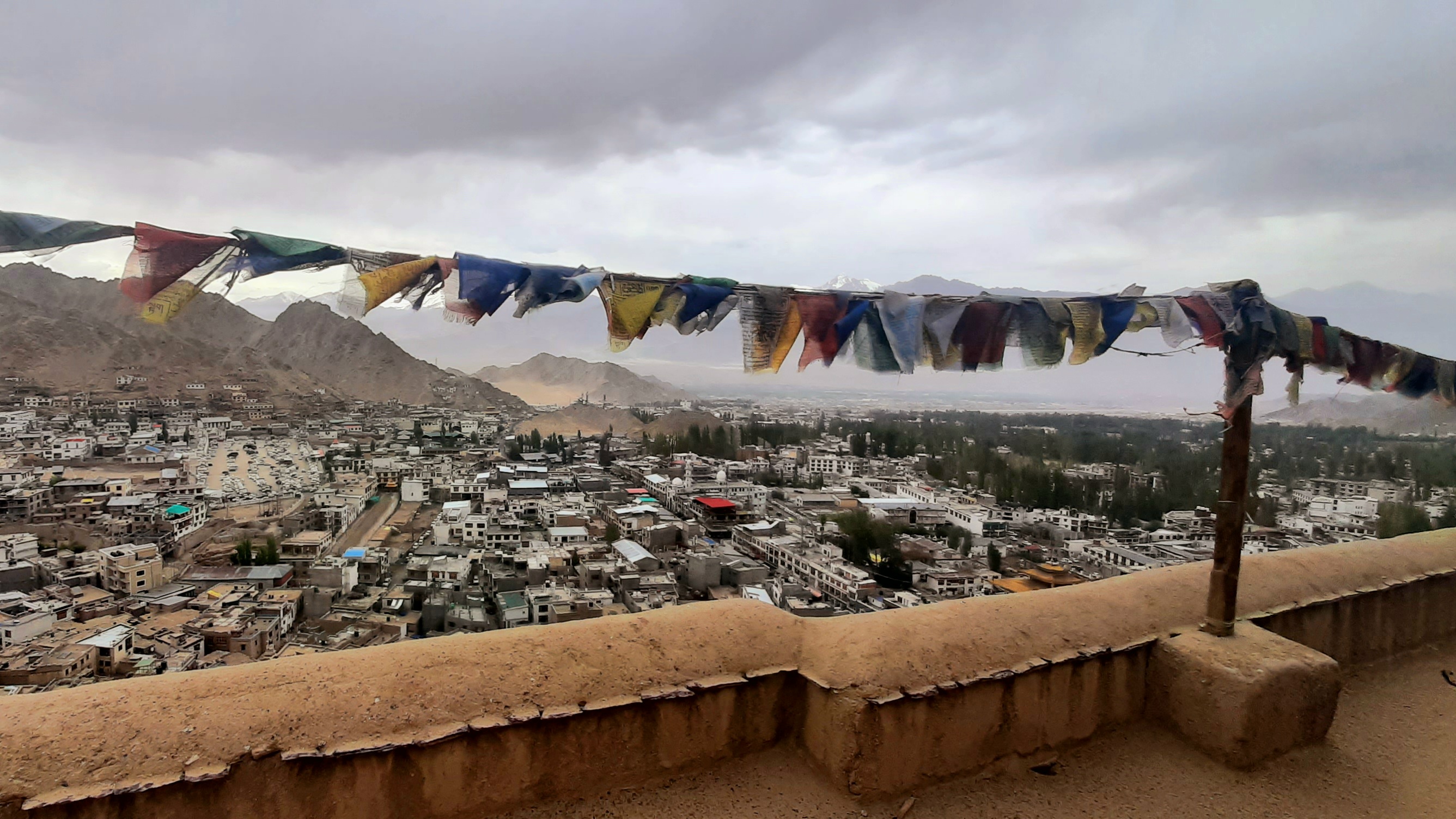
At the upper floor, which provides a stunning, panoramic view over the city and its surroundings – the royal family used to live. The floors below functioned as stables and storerooms.
Victory view
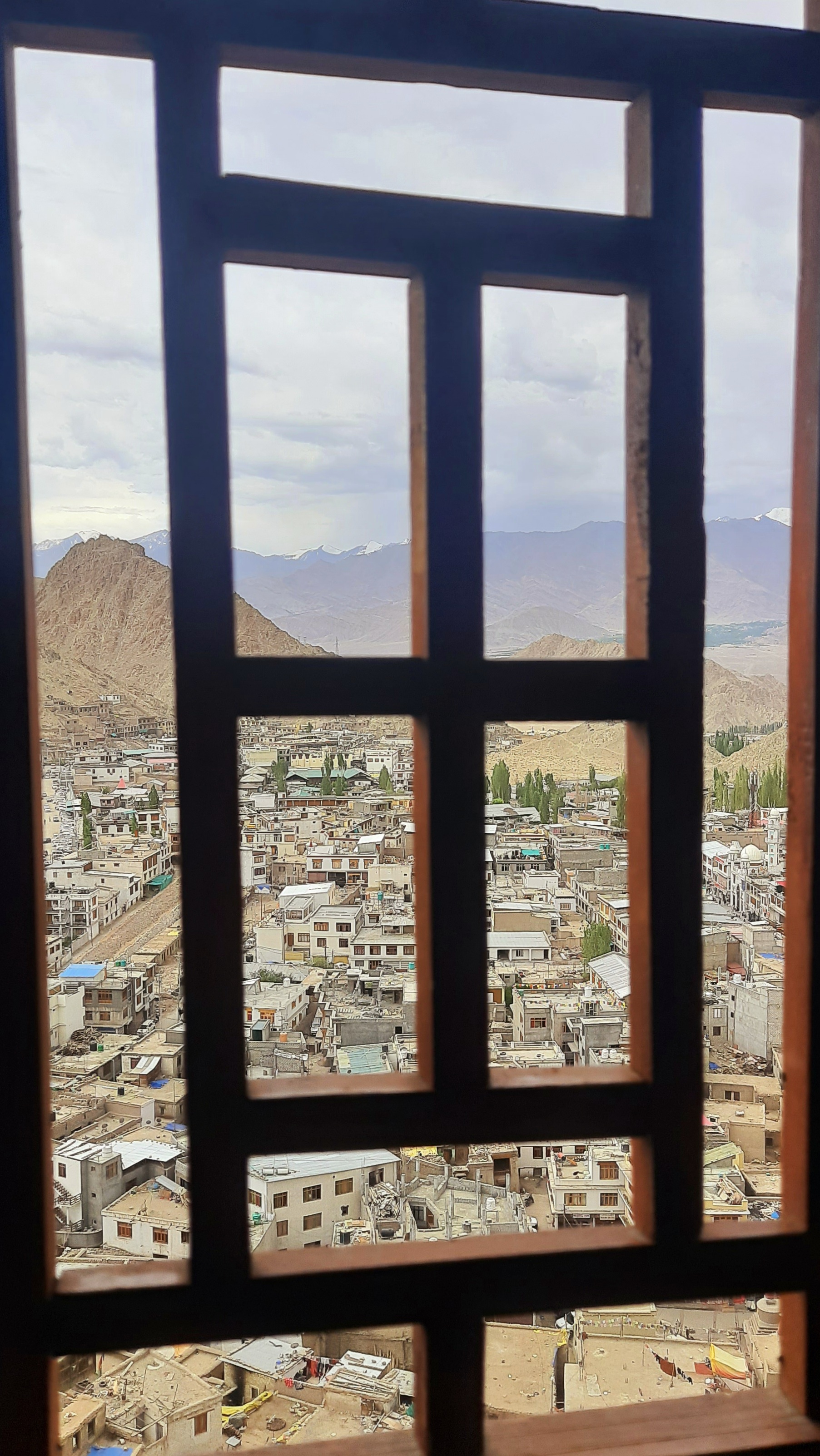
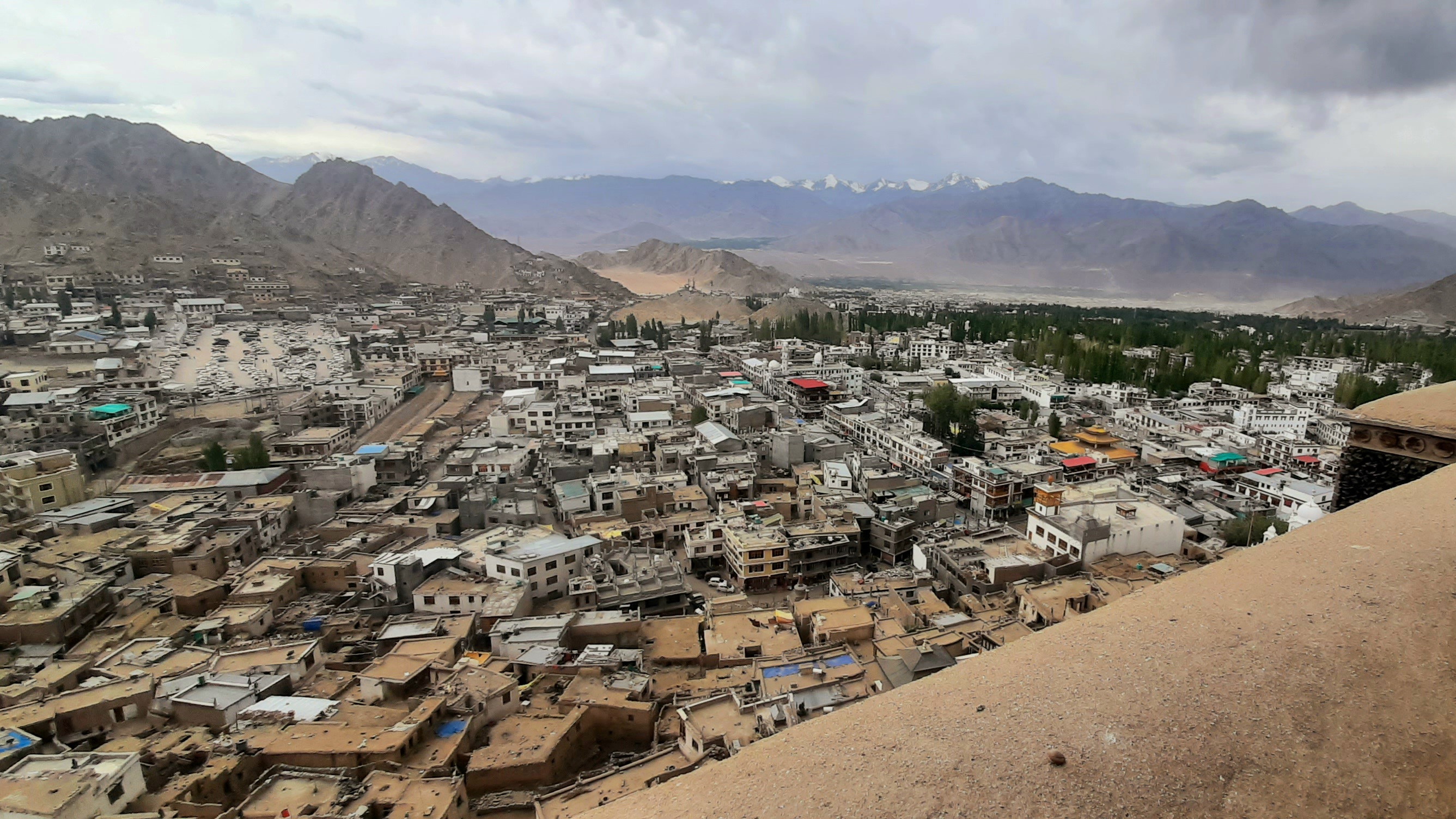
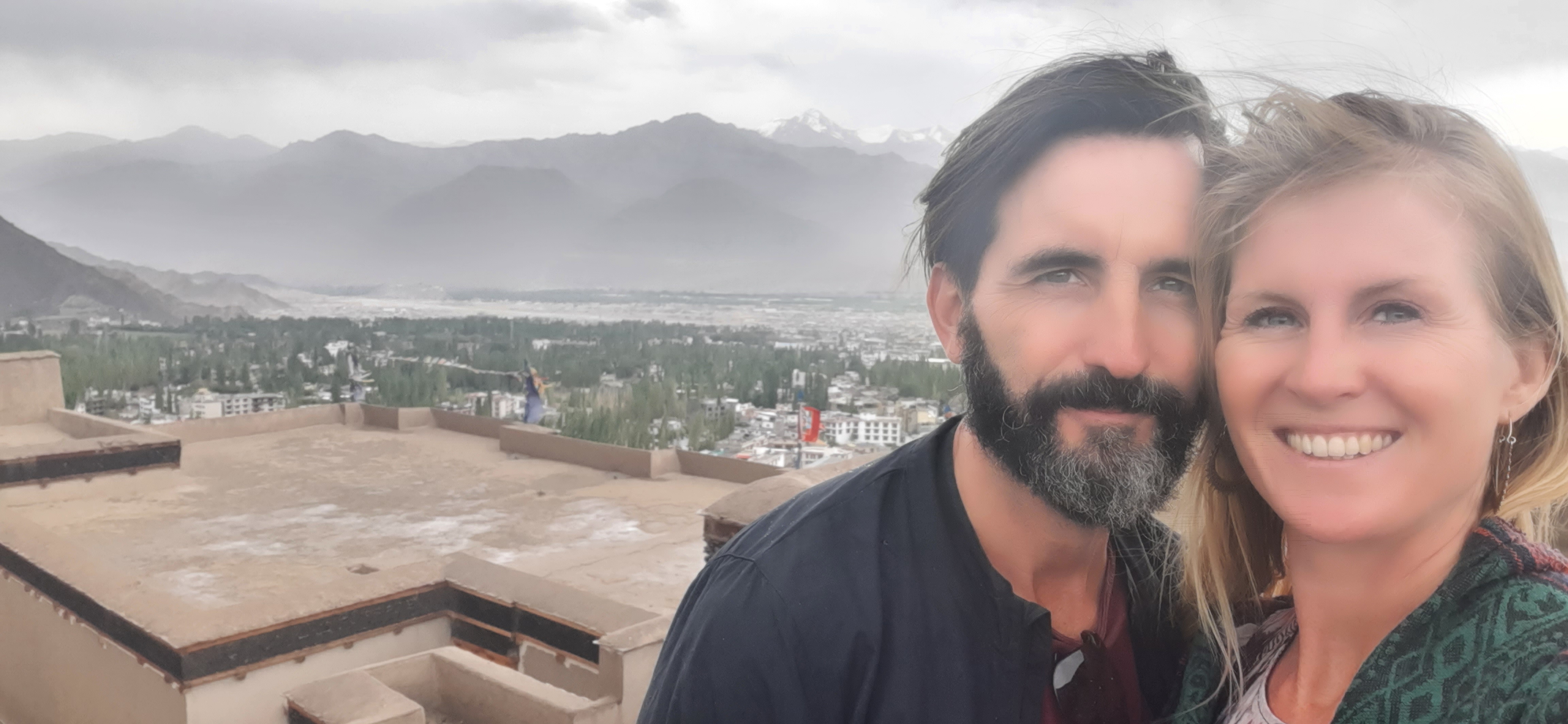
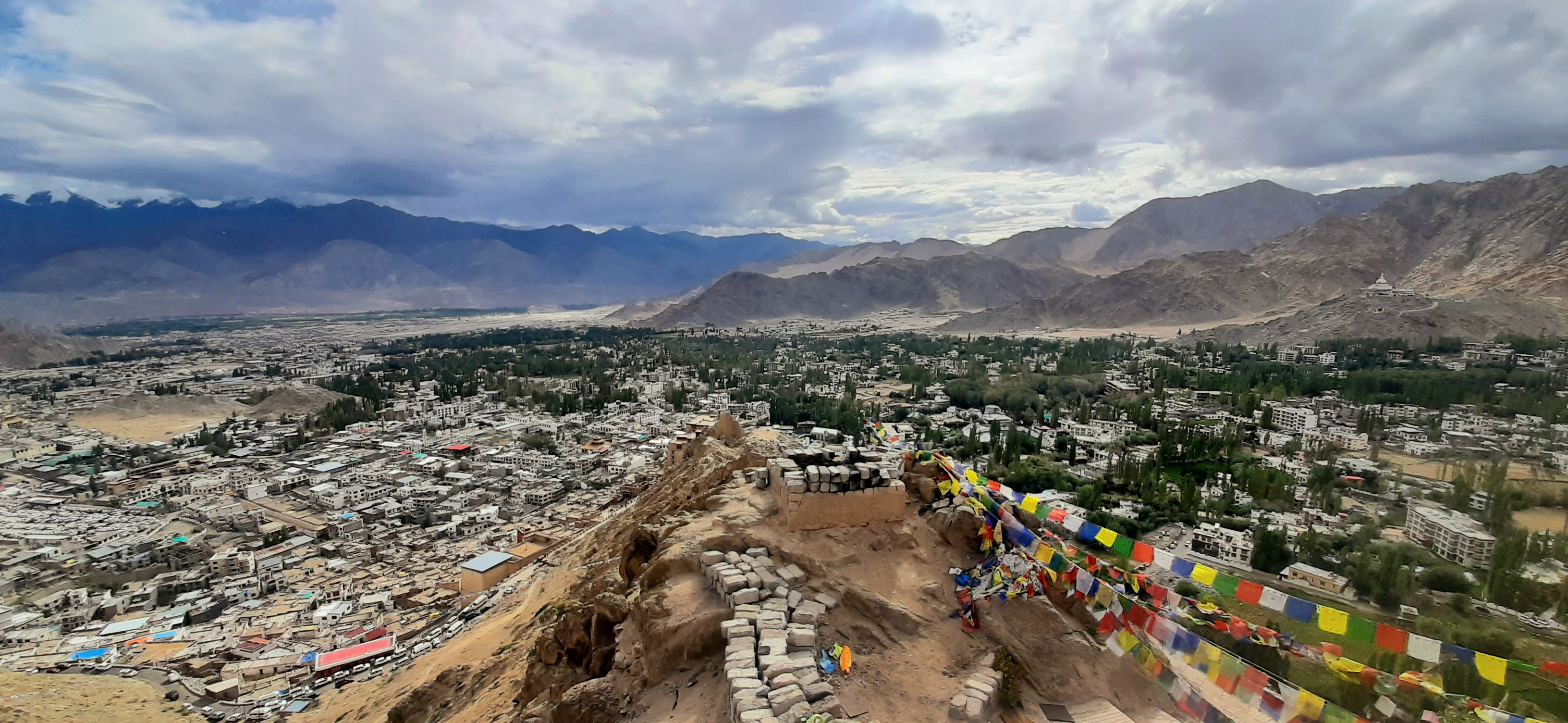
The topmost floor is called the Victory Tower since it offers a bird's eye view of the entire Leh town as well as the Himalayan ranges. The Victory Tower was constructed to commemorate the Ladakhi soldiers who had fought against the invading Kashmiri soldiers.
(Source: Holidify.com)
The palace was abandoned when the family was sent away by Kashmiri forces – the Dogra troops – that invaded Ladakh in the mid-19th century. The family then moved to their current residence in Stok.
Restoration activities
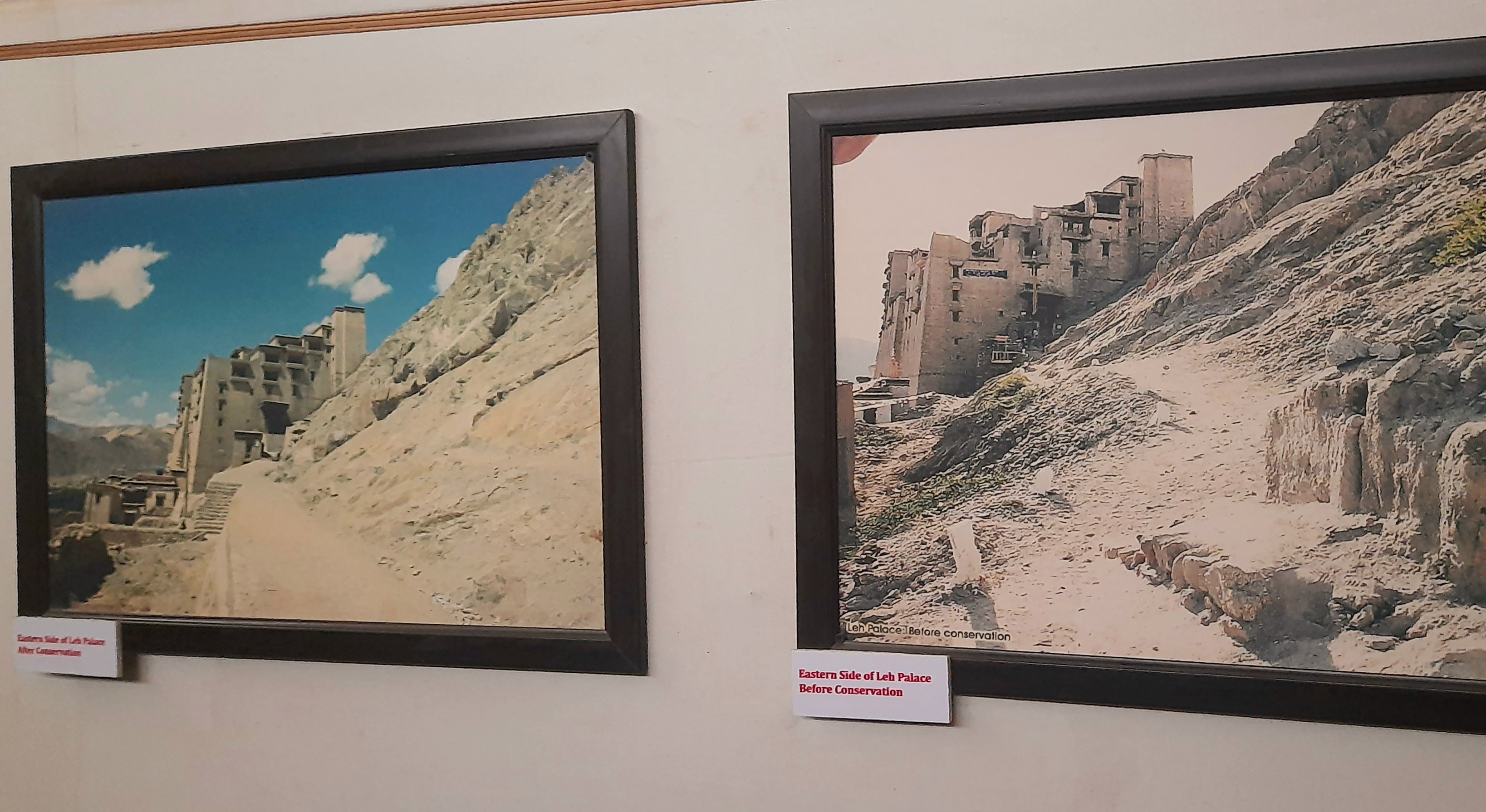
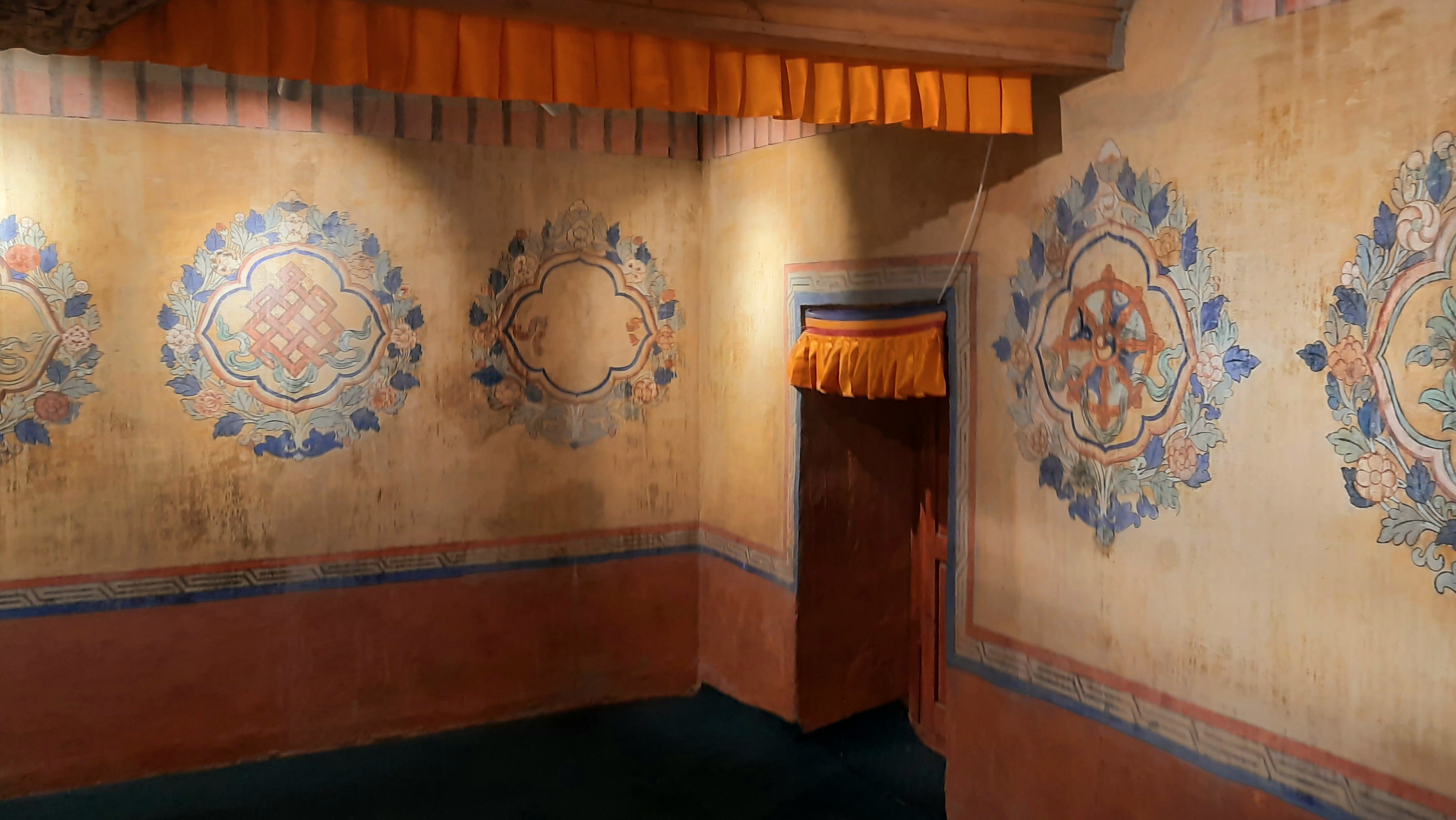

Unfortunately, a lot of the interior is deteriorated, and little decorations and wall art is left. Only a few small rooms and corridors are accessible for visitors.
The monumentaal building has been maintained and restored by the Archaeological Survey of India (ASI) since few years now, which makes a huge differents.
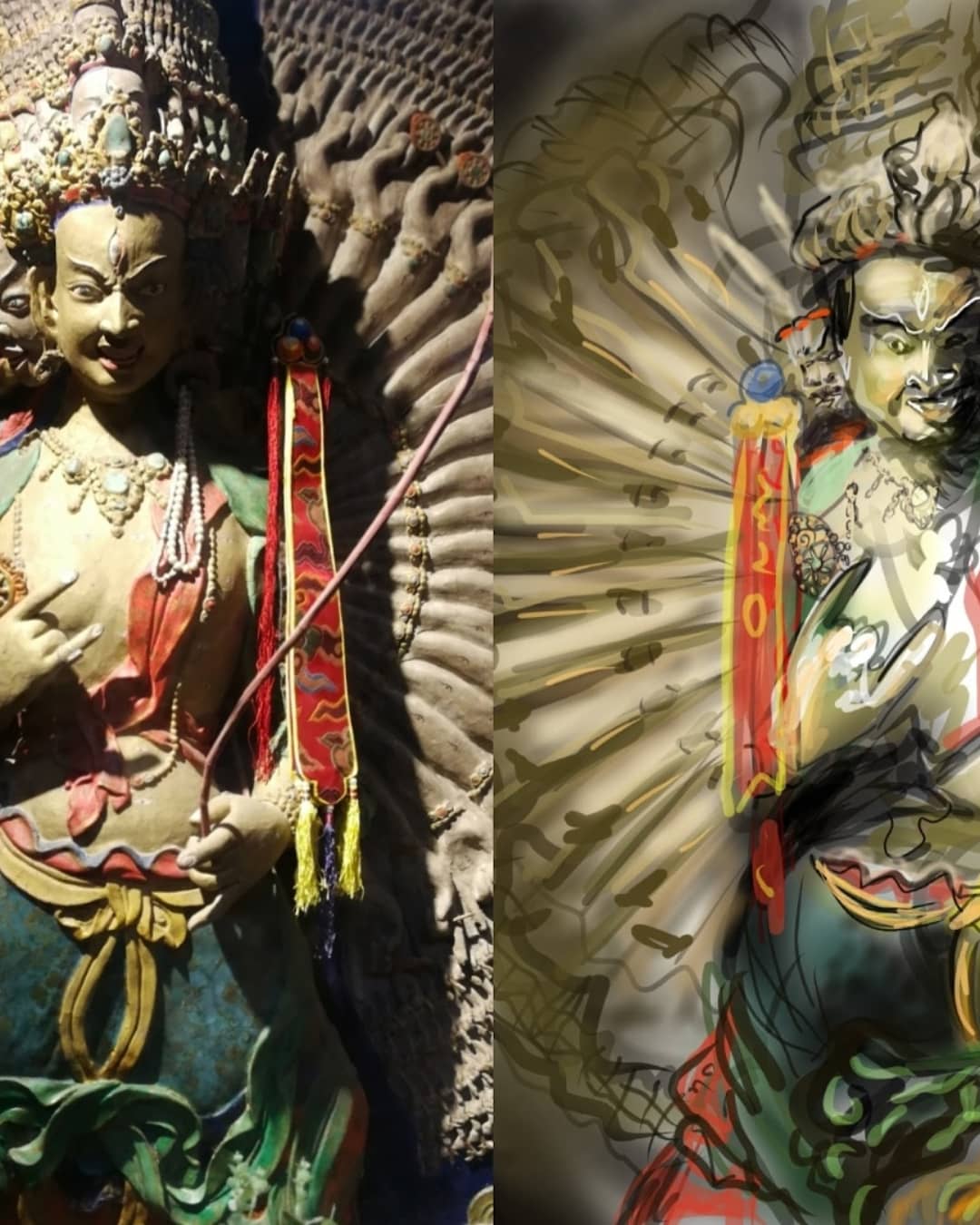
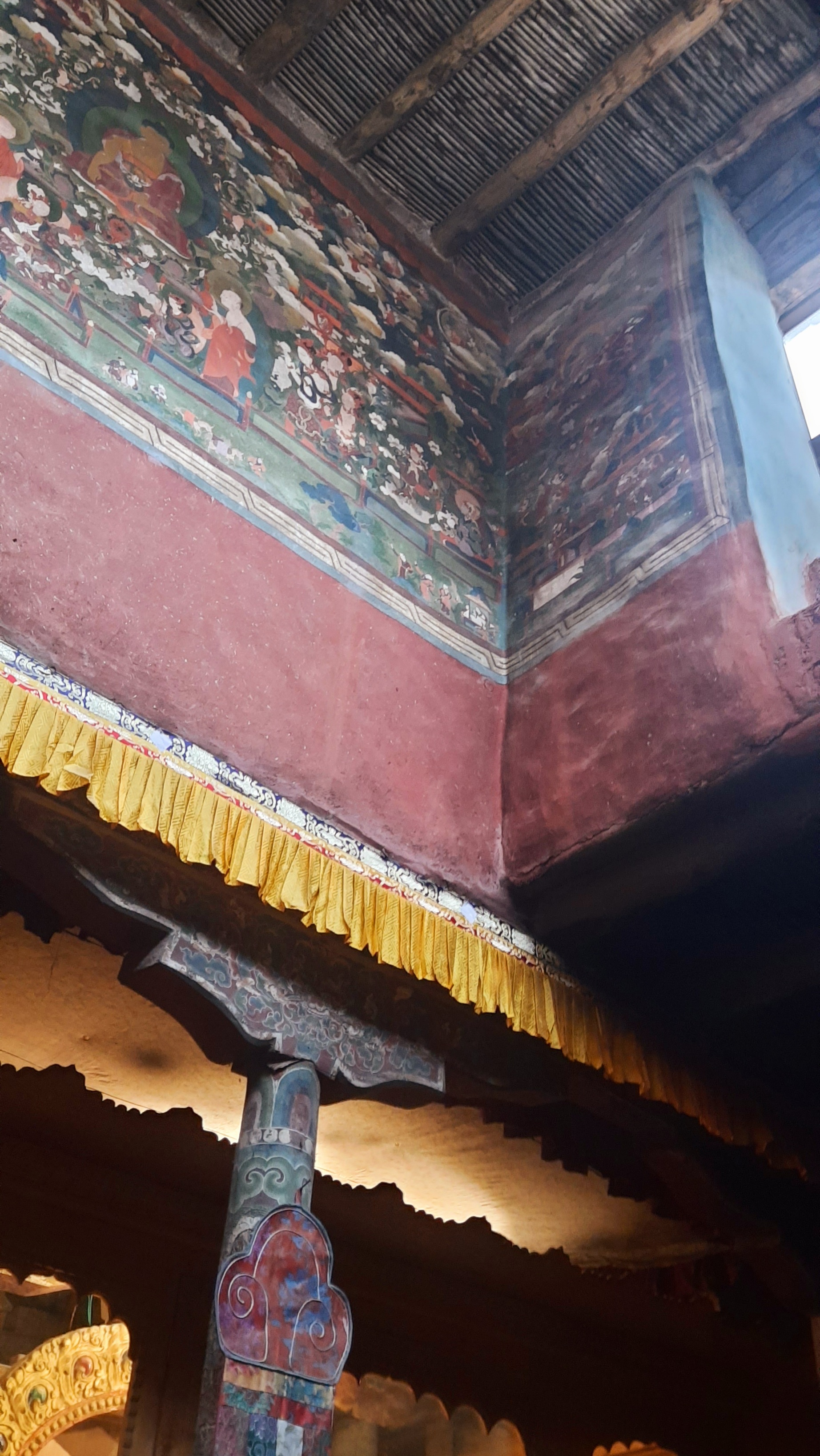
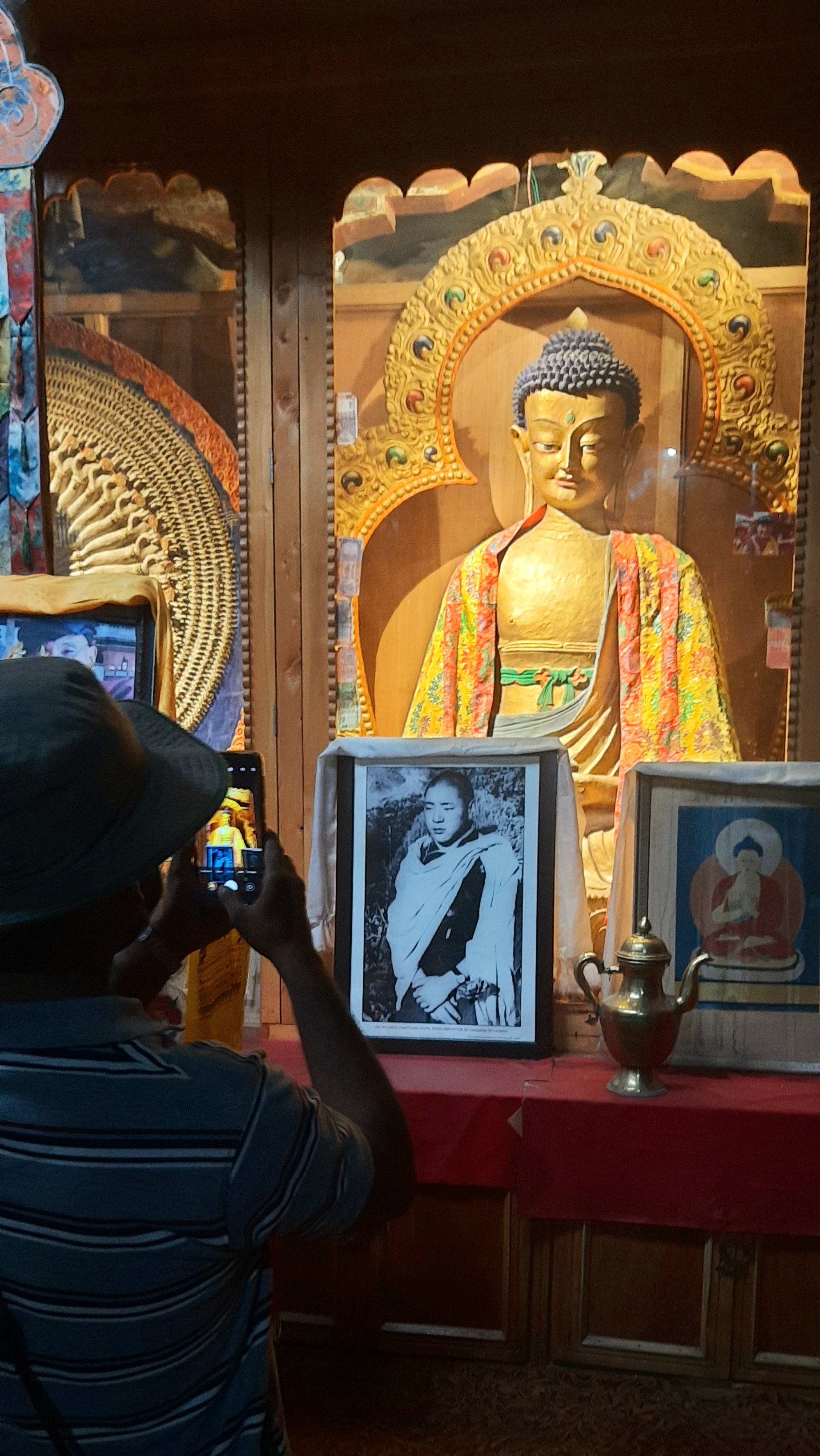
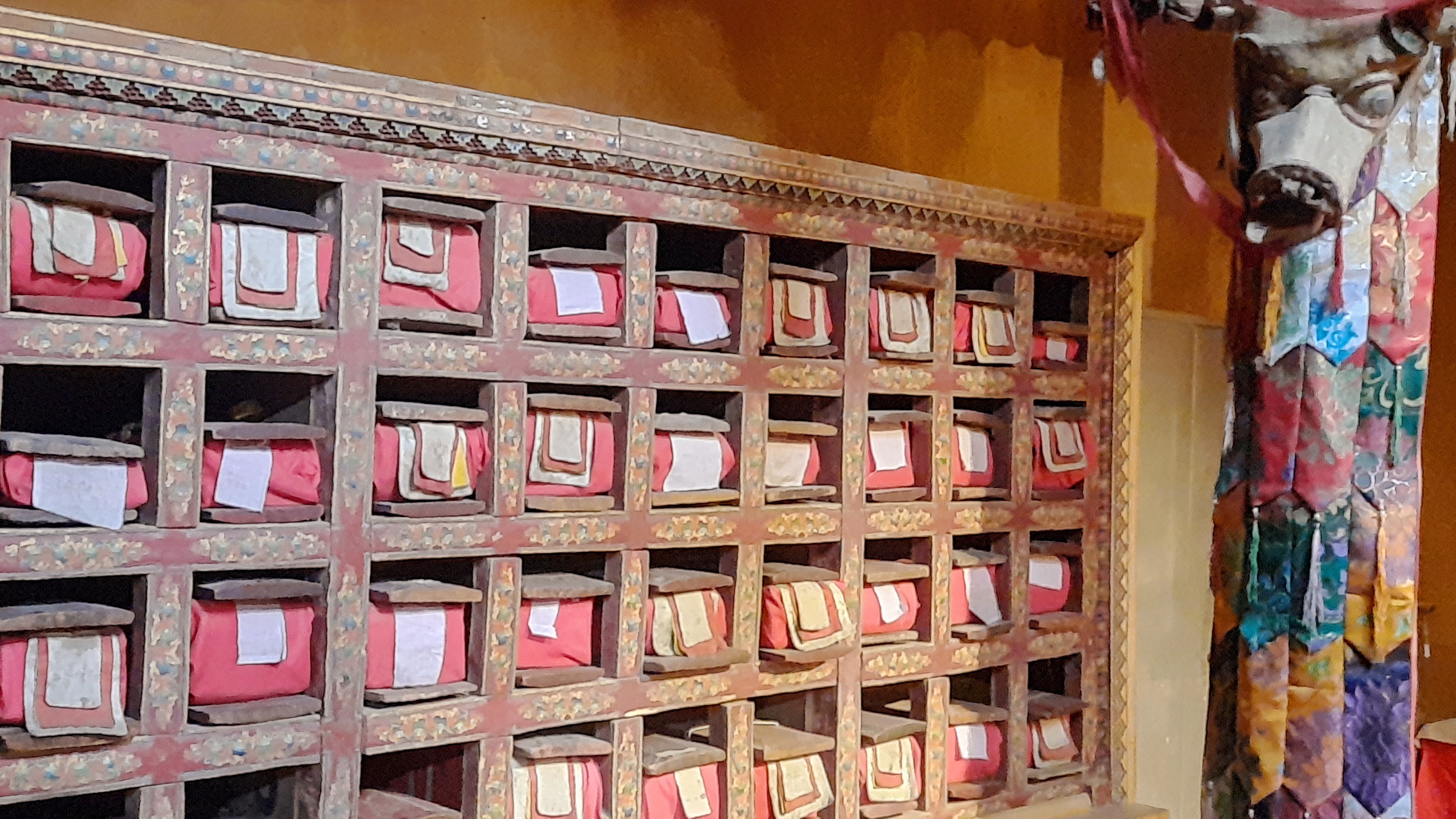
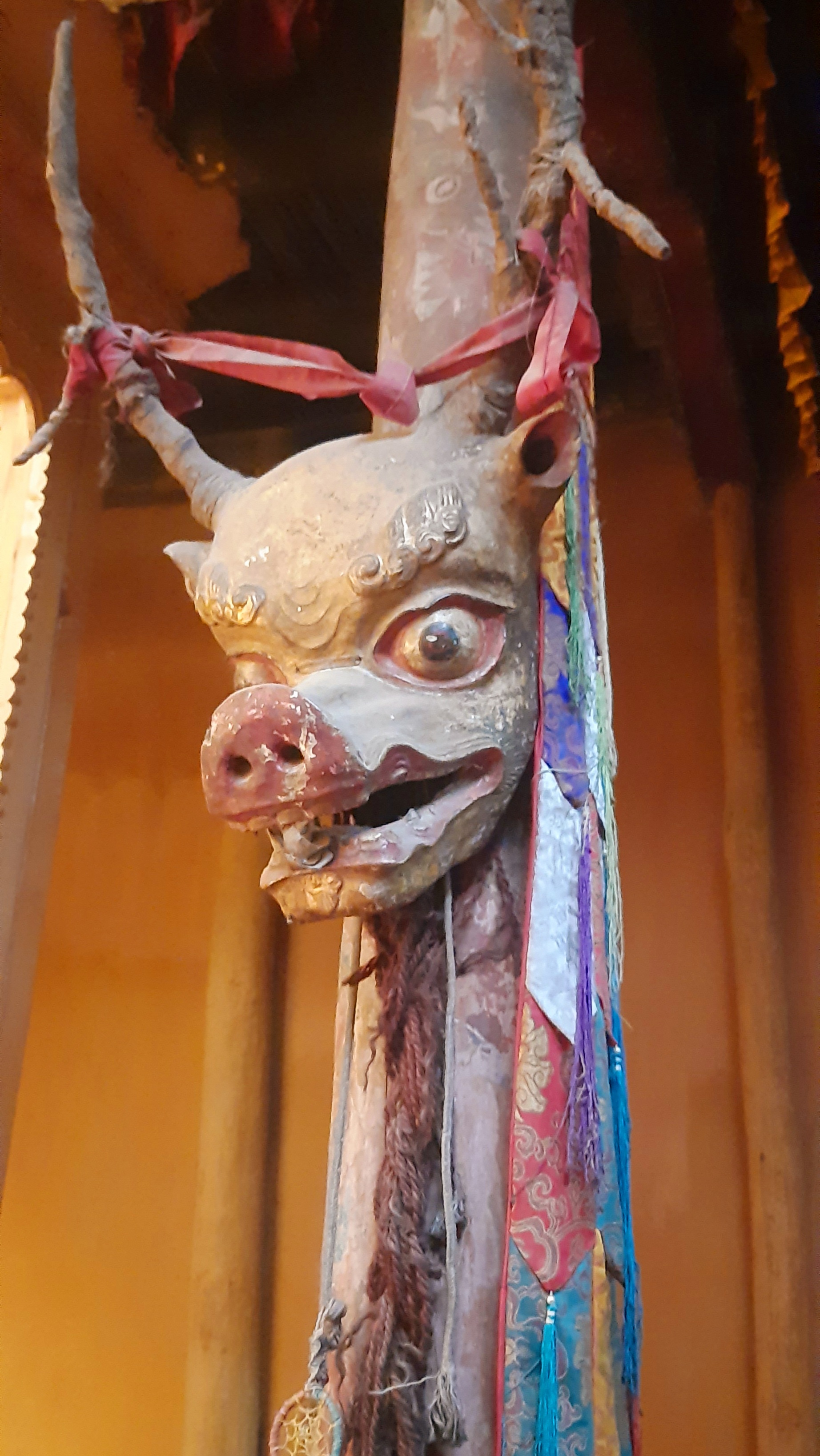
On the internet we read that the museum houses ‘a rich collection of jewellery, ornaments, ceremonial dresses and crowns and Tibetan paintings,’ which are more than 450 years old’. We didn’t have the opportunity to see this during our visit though, since a part of the palace is still in ruins.
How to get there?
There are 2 ways up to the palace: 1) driving up there by car coming from the right side; and 2) by foot, walking through the zigzag labyrinth of the Old Town (from the Main Bazaar, via Jama Masjid or the Zangsti Road) in front of the palace.
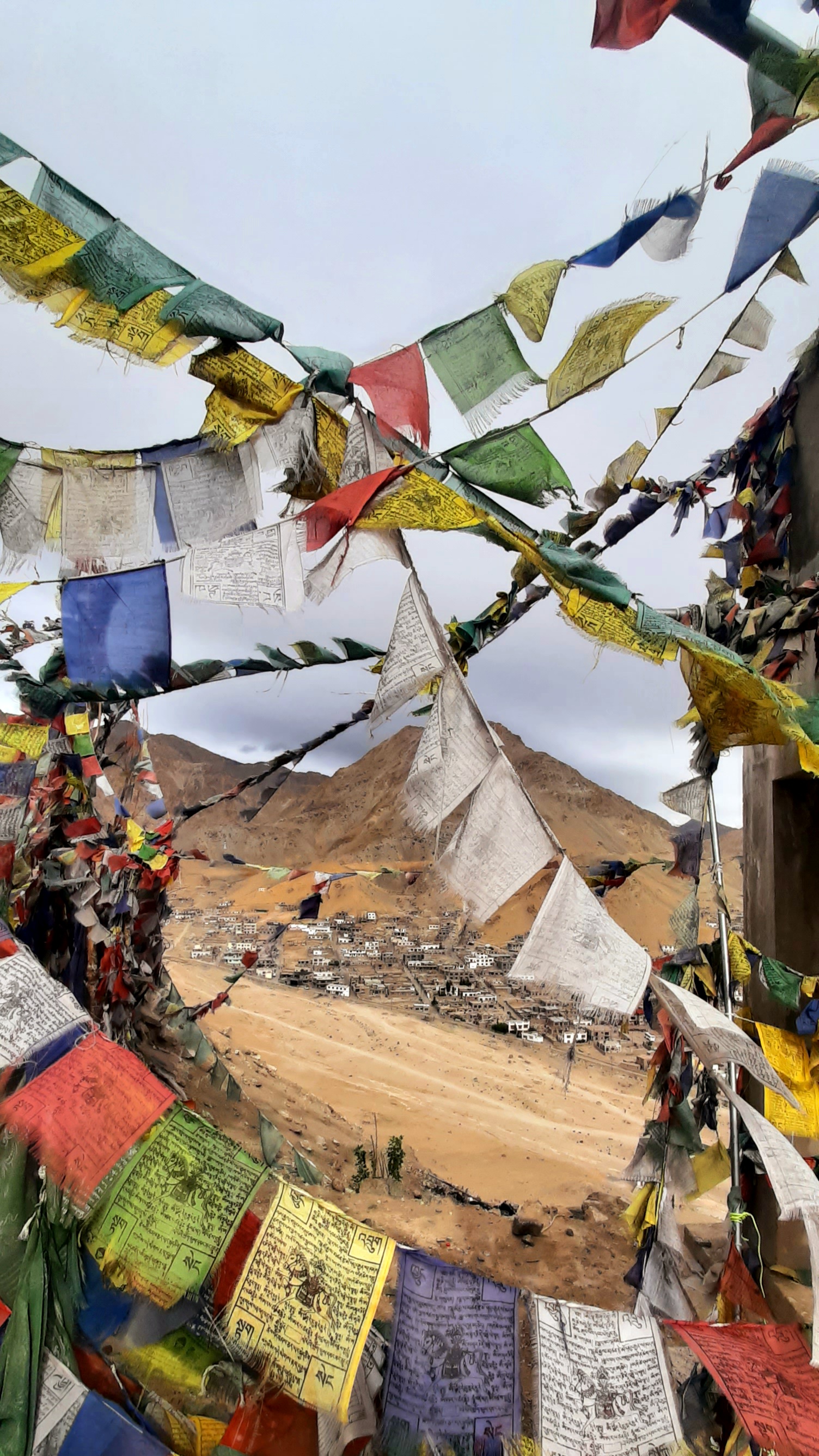
The old fort & winter residence of the king
Behind the palace, on the peak of the same hill you find Tsemo Castle, the much older fort, built by the predecessors of King Sengge Namgyal. It is said that this settlement made the ‘perfect place for establishing winter residences’.
As described before and as the people of Leh still do, the community that lived here followed a shifting pattern of residence between their summer and winter homes: ‘A majority of owners abandoned their houses in Old Town (the winter residence) and moved to their summer residences in the greener, more fertile parts of the valley amidst agricultural lands’.

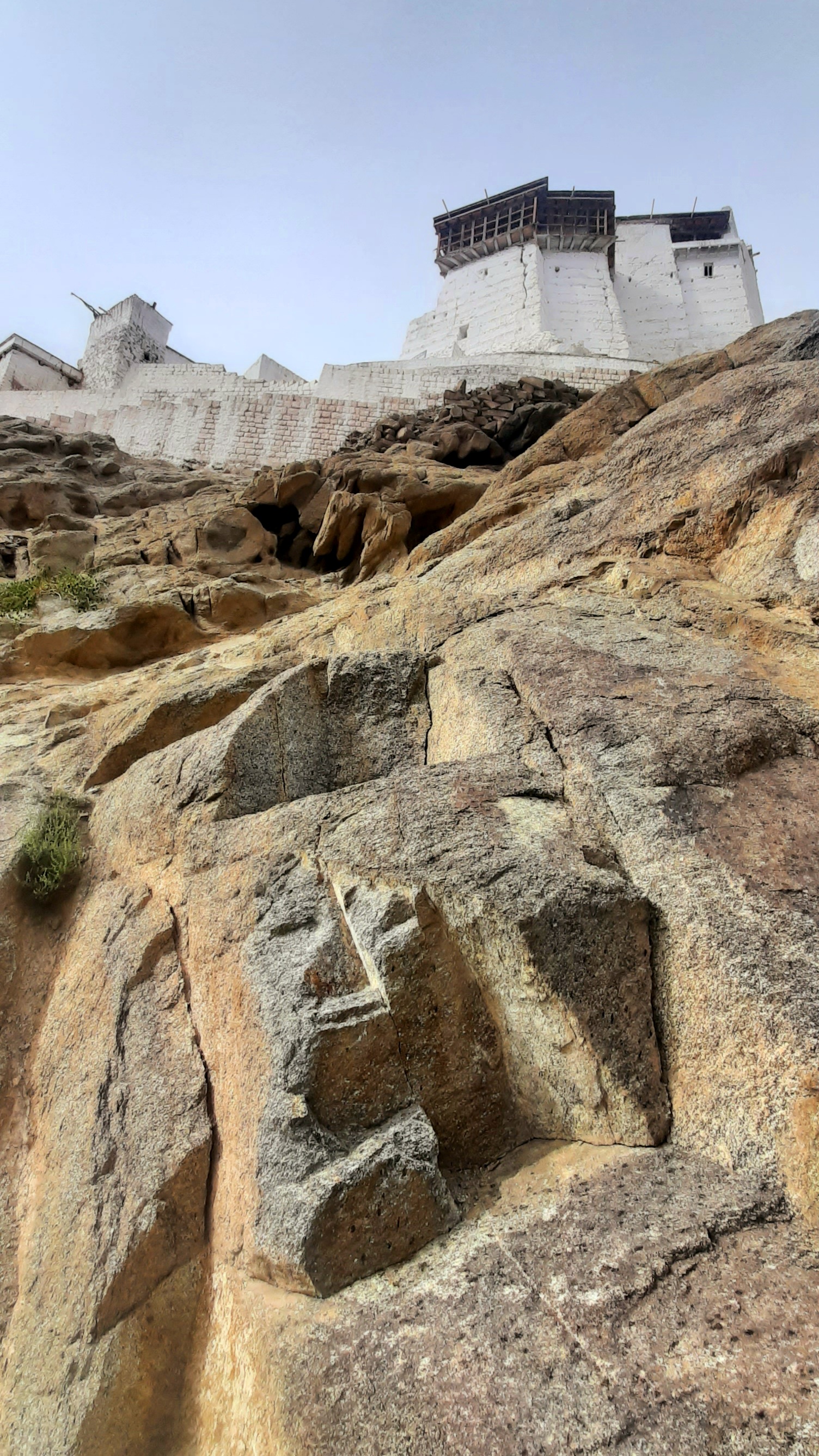
At the foot of the fort you find Namgyal Tsemo Monastery (or Namgyal Tsemo Gompa). This Buddhist monastery was founded in 1430 by King Tashi Namgyal of Ladakh.
Inside you find an impressive 3-story high gold statue of Maitreya Buddha and ancient manuscripts and frescoes.
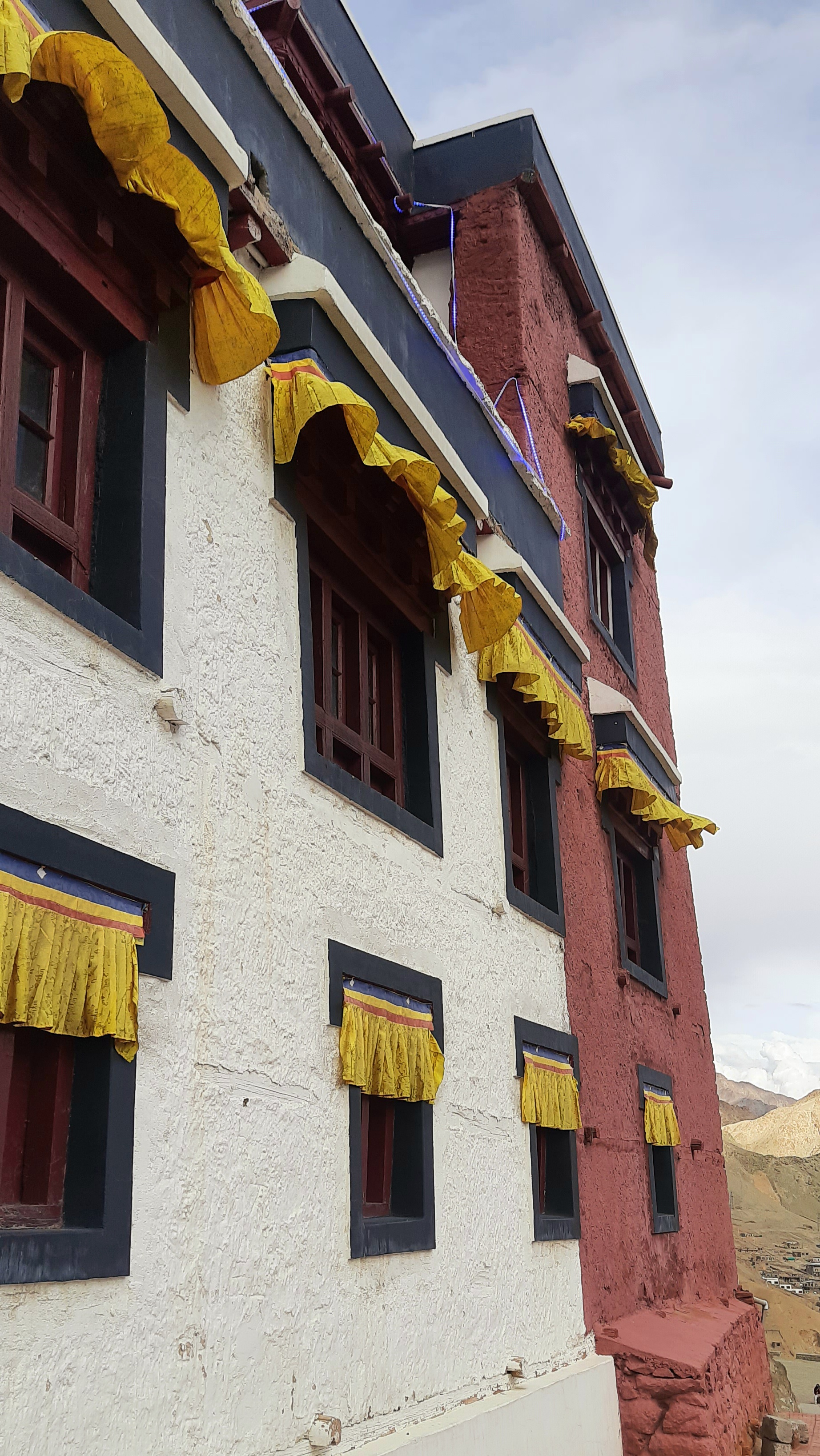
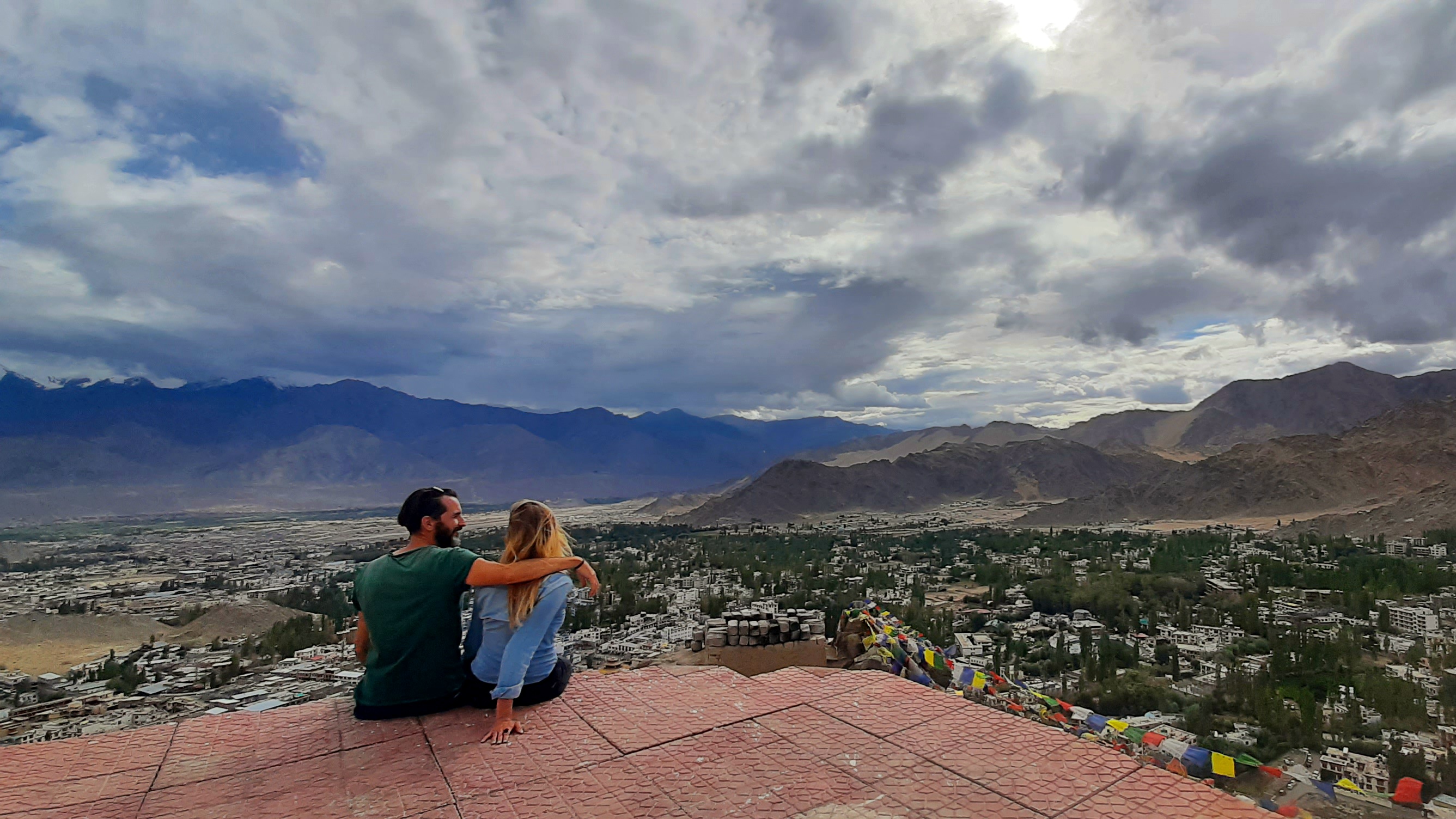
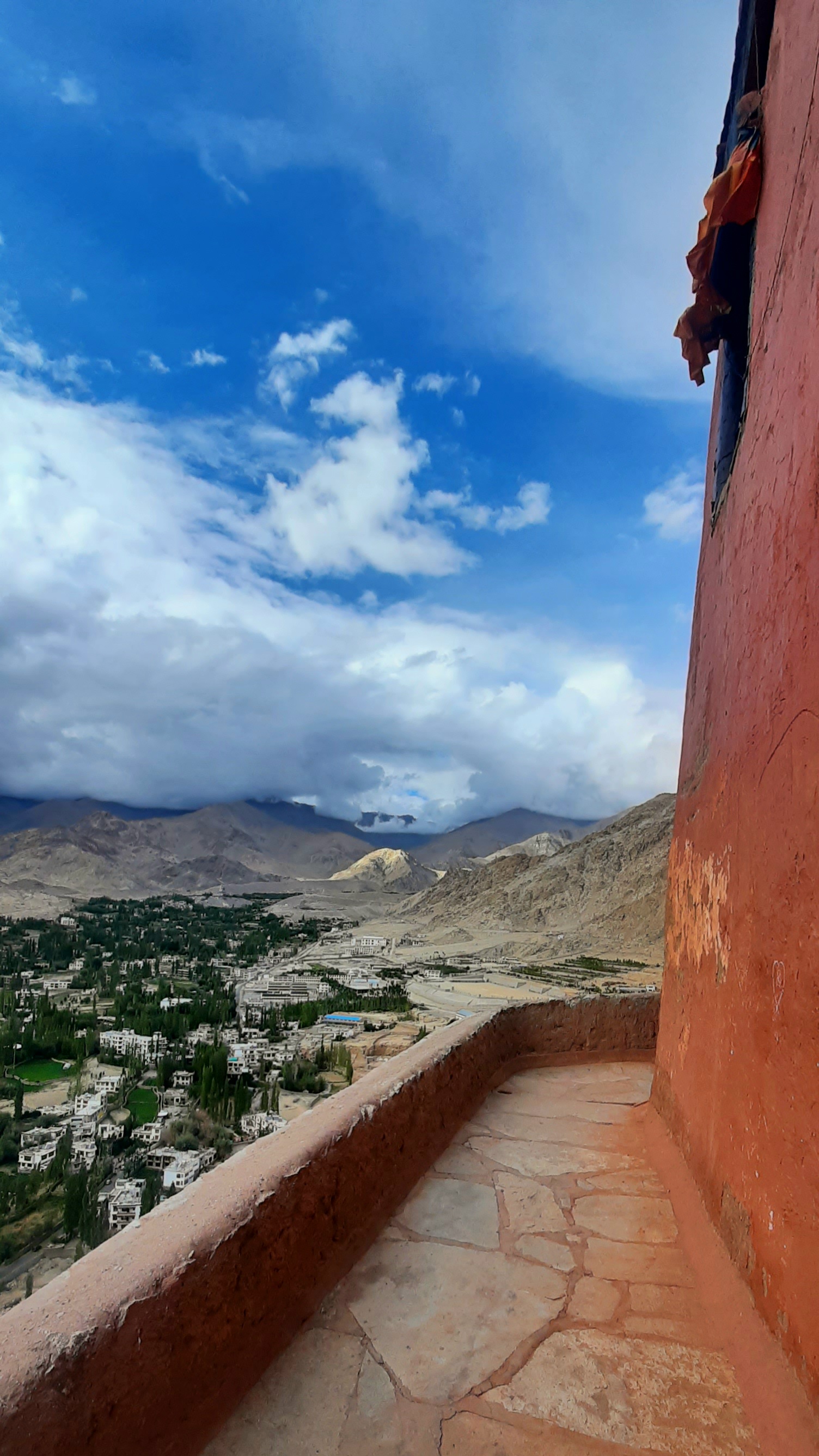
How to get there?
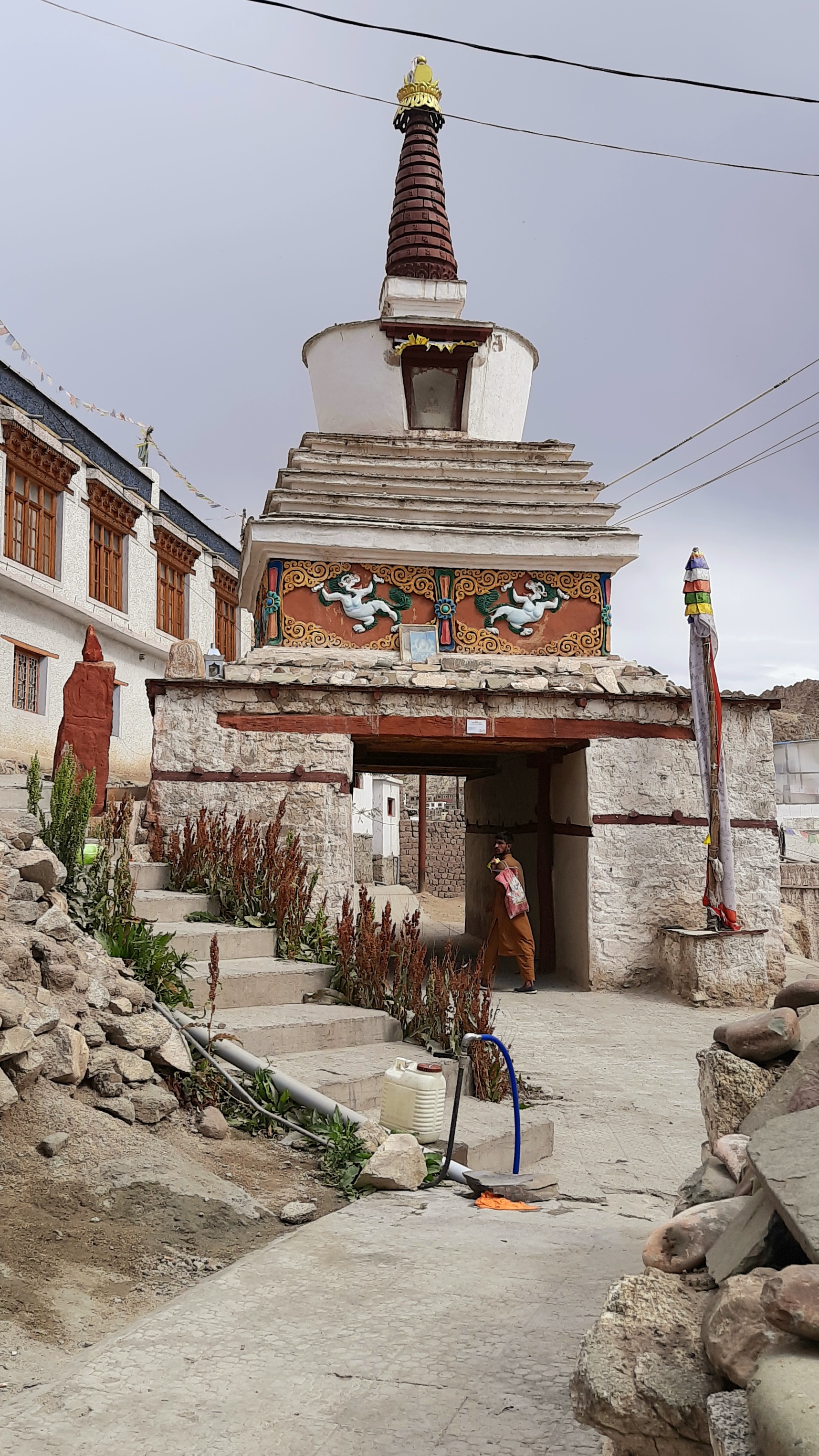
You can reach the monastery in 3 manners: the first is by road, the second by the steps on the western side (see photos below).
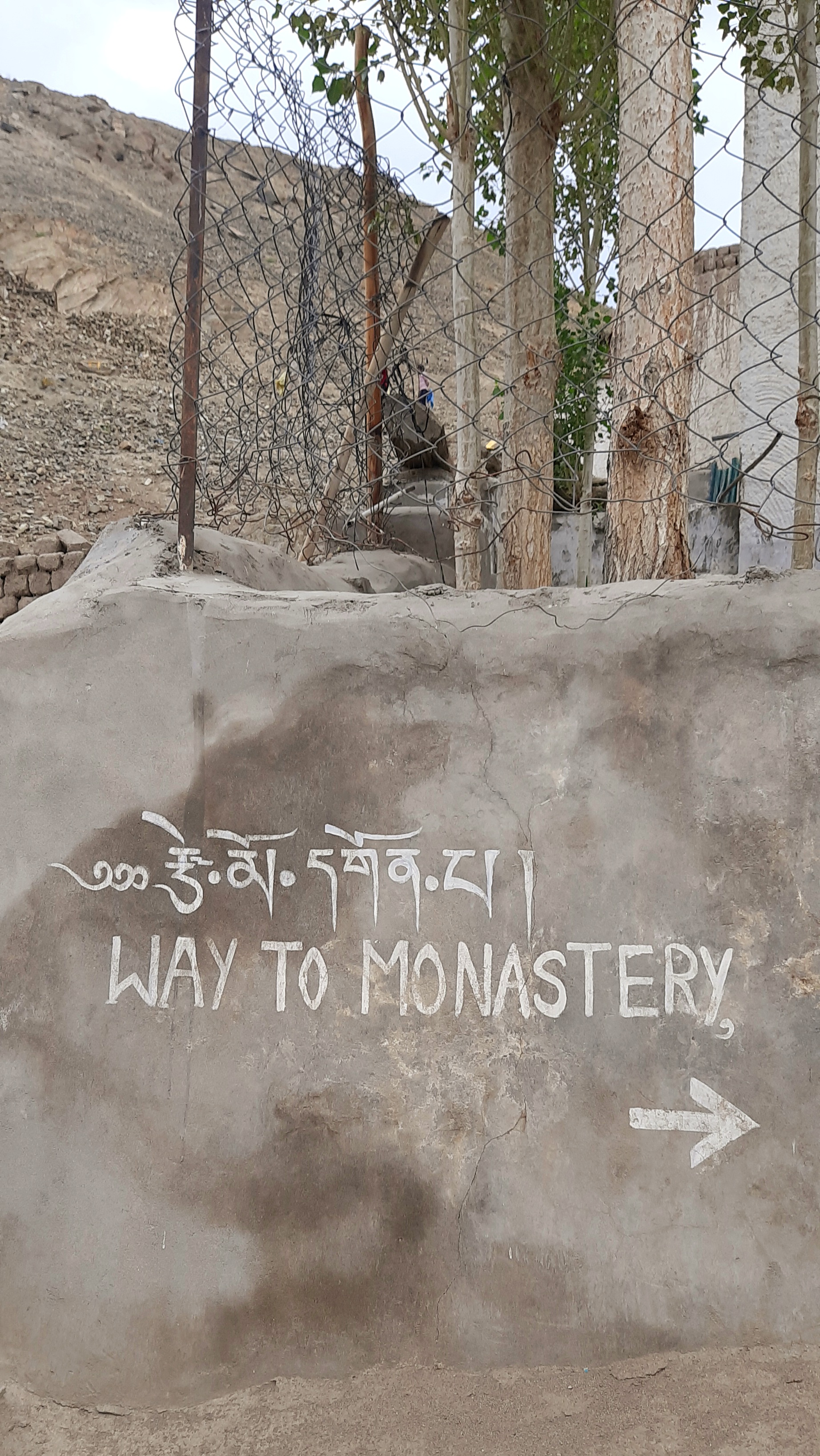
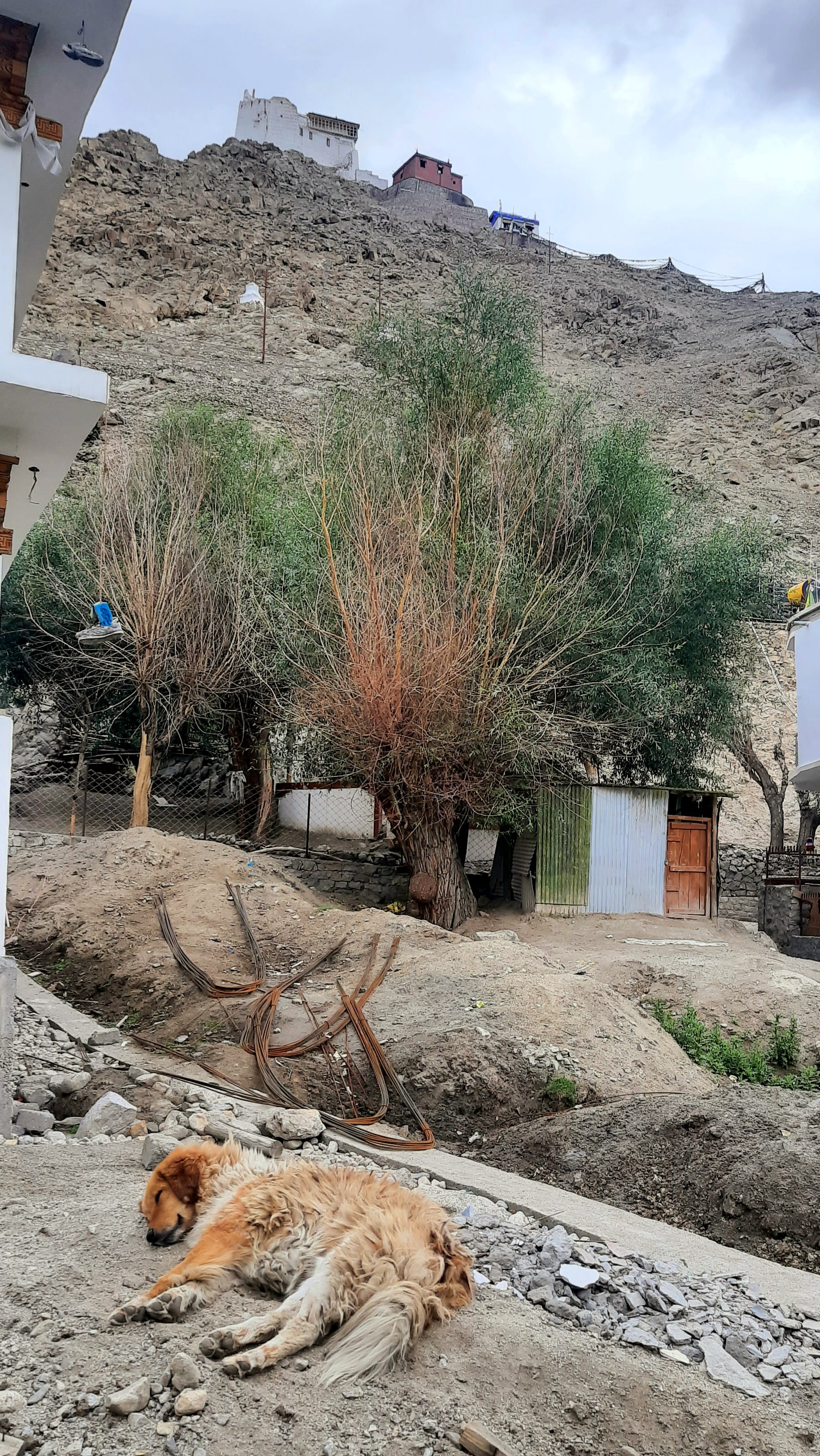

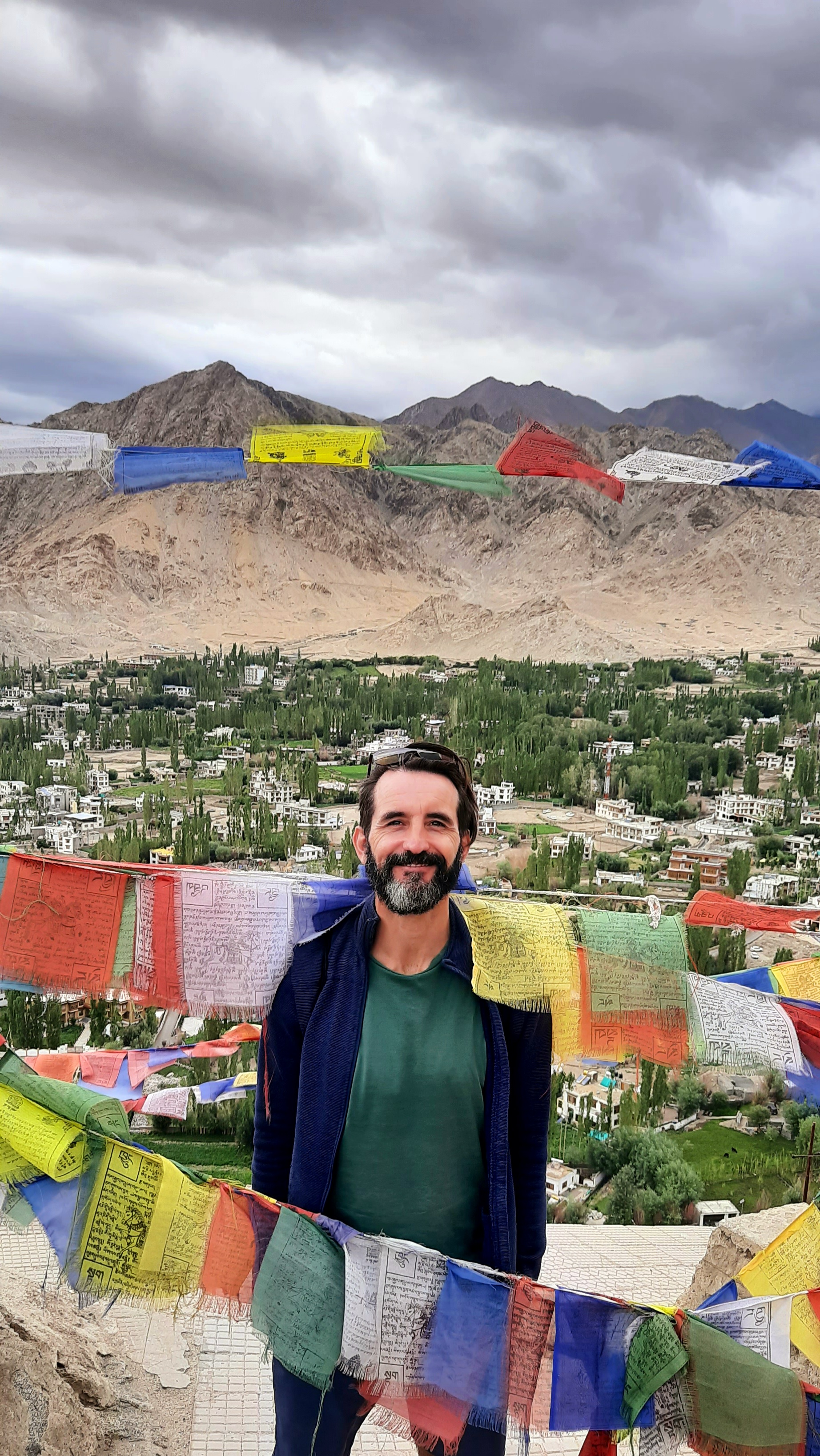
The third and last one is a sand road (or missing road) straight up the hill in front of the Gompa. If you want to try this path, we recommend you to do it on the way up (on the way back is also possible, if you’re not afraid of heights).
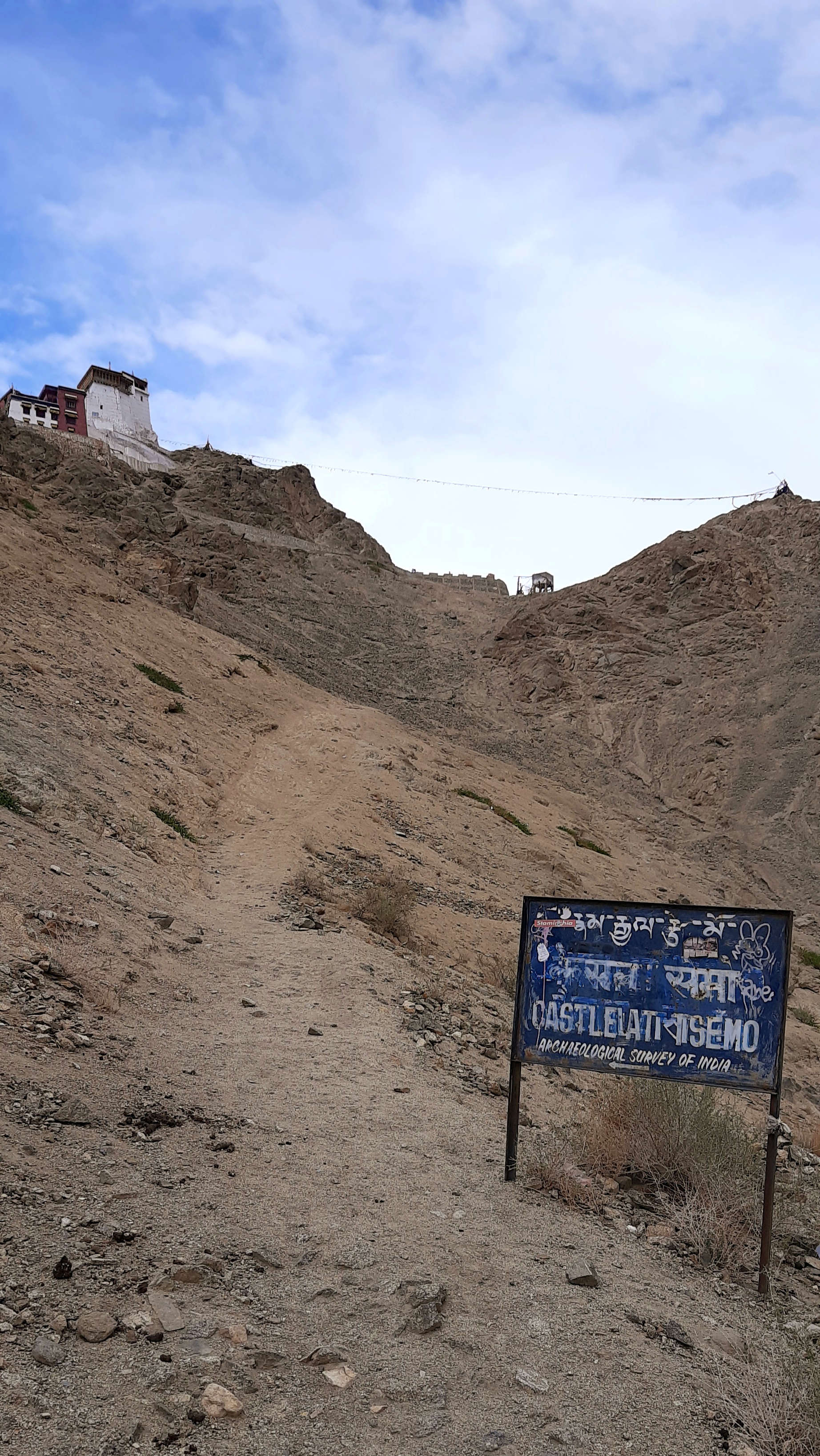
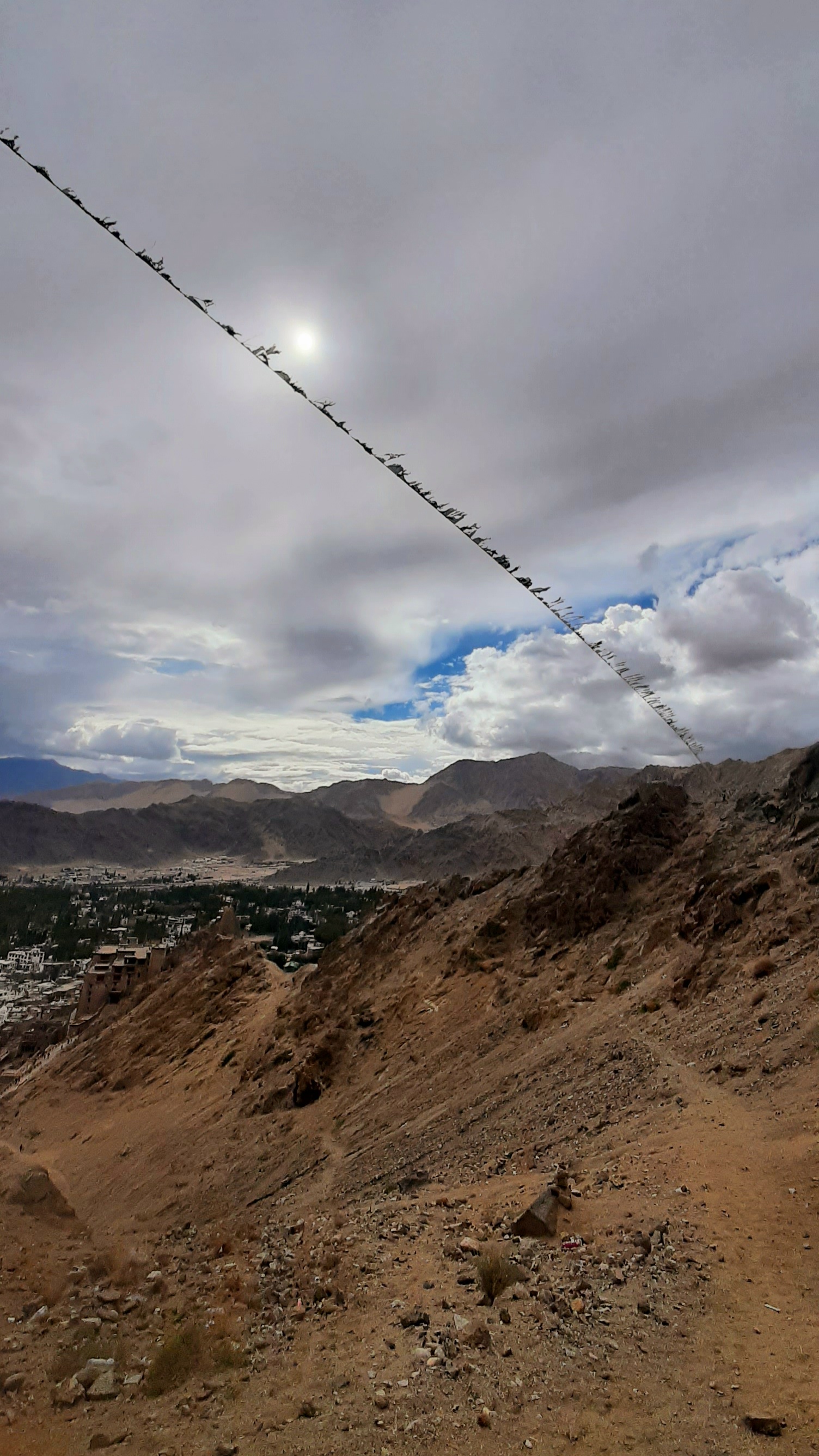
This one isn’t very clear, or even clearly marked – see photos, look for the blue sign! – and quite steep, but the small climb makes reaching the top and enjoying the view from there even more worth it!
Practical info about visiting Leh Palace & Tsemo Gompa – shortlist to screenshot
- Leh Palace (or Lachen Palkar Palace):
- Opening times: 7.00am – 4.00pm
- Required time: 2-3hrs
- Costs: 15R (Indians), 300R (foreigners)
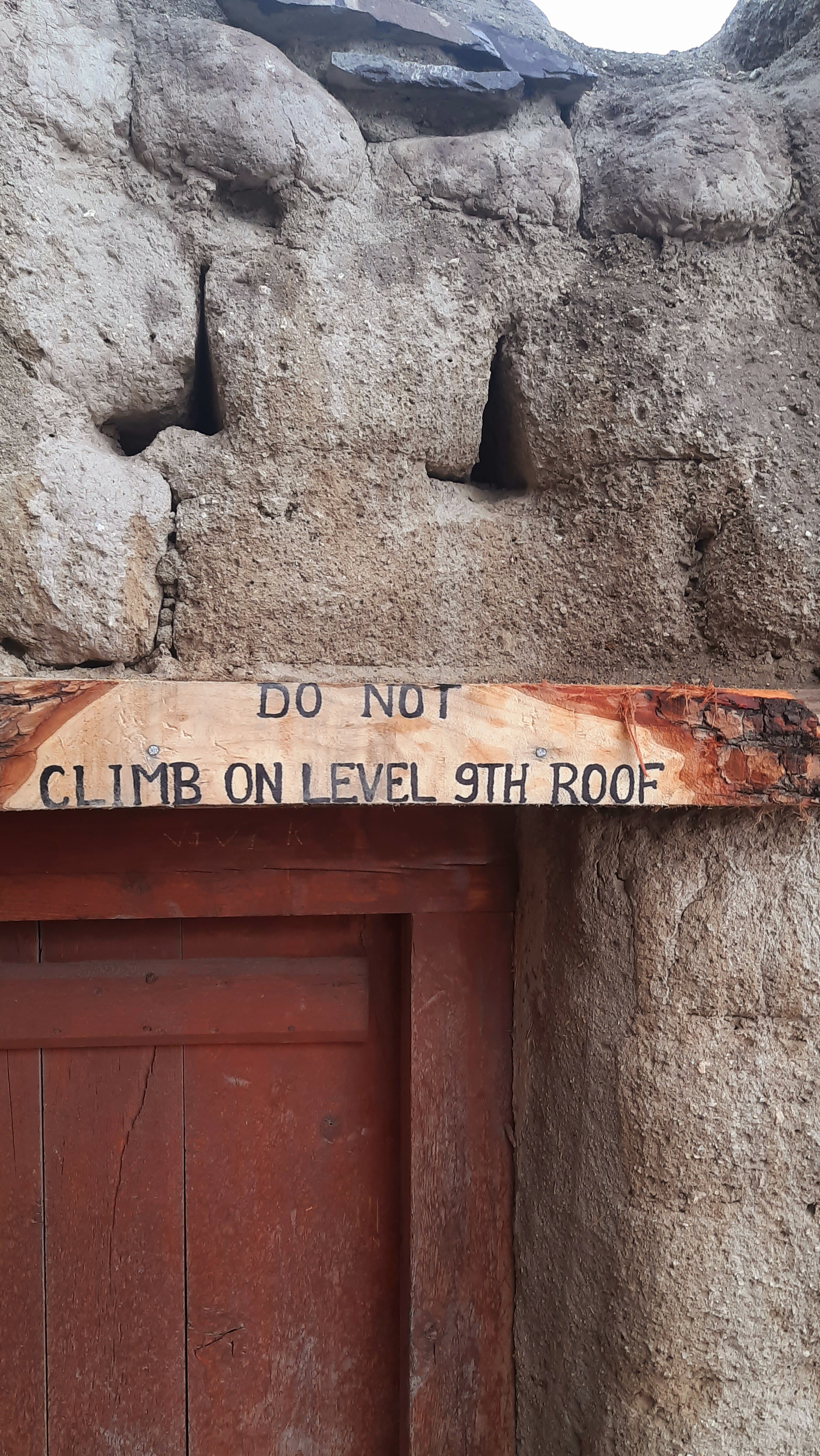
- Don’t forget: to check the authentic murals, the before and after restoration pictures and the panoramic view from the 9th level
- Namgyal Tsemo Gompa (or Tsemo Monastery at the foot of the Tsemo Castle / Fort):
- Opening times: 6.00 – 9.00am (for ceremony)
- Required time: 0,5hrs
- Costs: free
- Don’t forget: to get up early, during the day the Gompa is closed for visitors; if you don’t go up by car or bike, the walk up can be quite intensive, especially with hot weather.
Tips @Breuhuys
Leh Palace & Tsemo Fort, Ladakh 194104, India
 Breuhuys
3 Replies to “Ladakh tip#3 Visiting Leh Palace & Fort”