Not just another Hindu temple
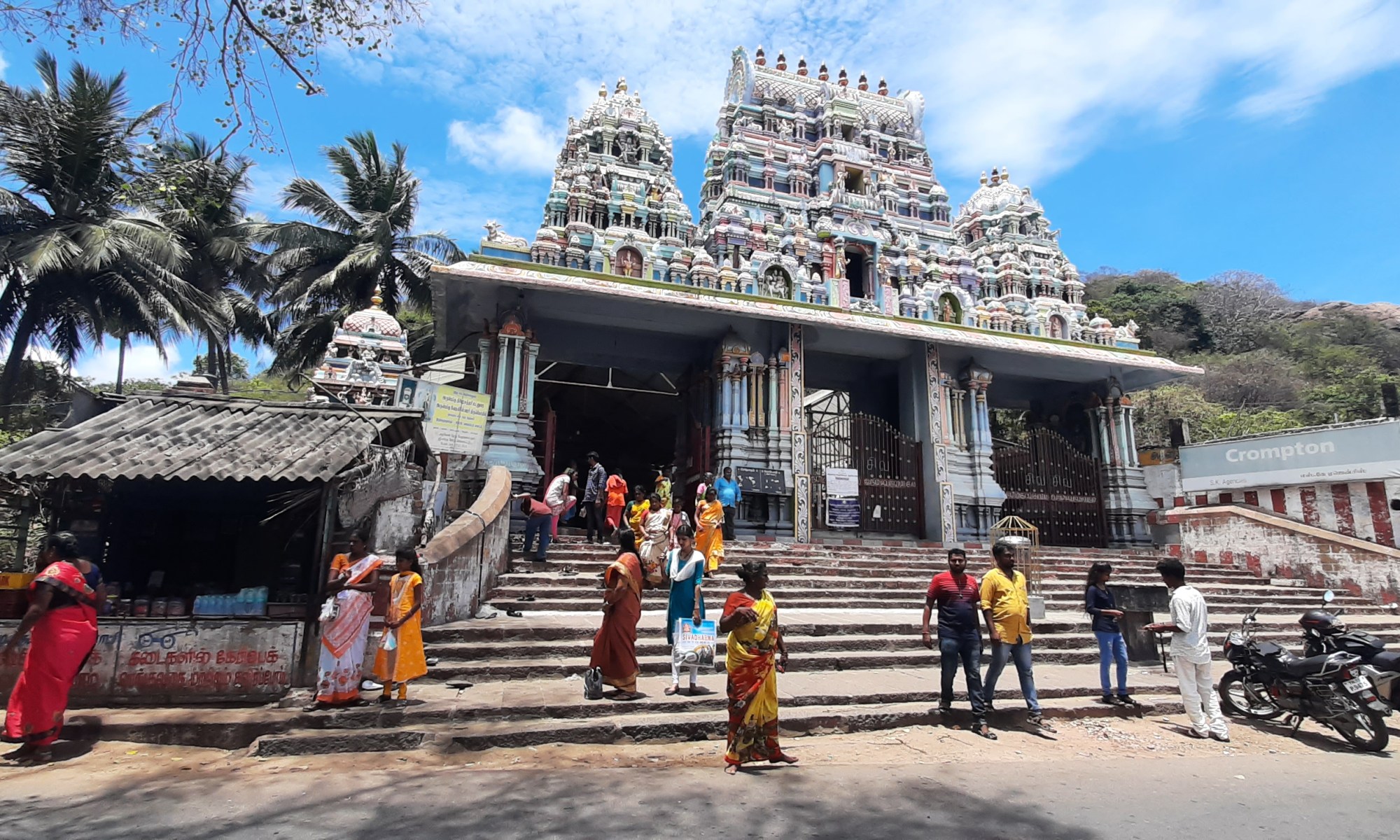
At the suggestion of our guesthouse owner, we paid a visit to the so-called ‘Eagle Temple’ (or Kazhugu koil) today. This Hindu temple is only 17 km and a half hour scooter drive from Mahabalipuram.
Since we’ve been traveling in India for 2,5 years now, we have already seen a lot of holy places. But the specs of this one – located on top of a hill, the accompanying view over the green plains of Tirukalukundram, 4 huge towers that you can see from a distance and all the elaborate, handmade decorations – made it definitely worth it, this temple tour in the south!
Regular temple guests
The official name of the temple is Vedagiriswarar temple, which means ‘Lord of the Vedic Mountains’ in Sanskrit (referring to Lord Shiva).
Tirukalukundram, the place where the temple is located, is apparently famous for this holy place. The name of the town even derived from the 2 birds that visited the temple regularly in the past.
Thirukazhukundram and the disappearance of the eagles Nowadays, the town Thirukazhukundram comprises several small villages. The name consists of the 3 Tamil words thiru (respectful), kazhugu (eagle) and kundram (mountain). The story goes that a pair of birds - most likely Egyptian vultures - used to visit the place for centuries. These birds were traditionally fed by the temple priests. They arrived every day before noon and they were fed with offerings made from sweet rice (rice mixed with wheat, ghee (clarified butter) and sugar).When one day the birds did not appear on their regular spot, this disappointing event was blamed on the apparent presence of ‘sinners’ among the present spectators. The myth describes that the sacred eagles represent the sons of Lord Brahma. They were punished and cursed by Shiva, to be born on earth as eagles. To attain moksha (released from the cycle of rebirth) and regain their original forms, they had to worship the deity of this temple, Shiva. (Source: Thirukazhukundram.com)
Hilltop temple
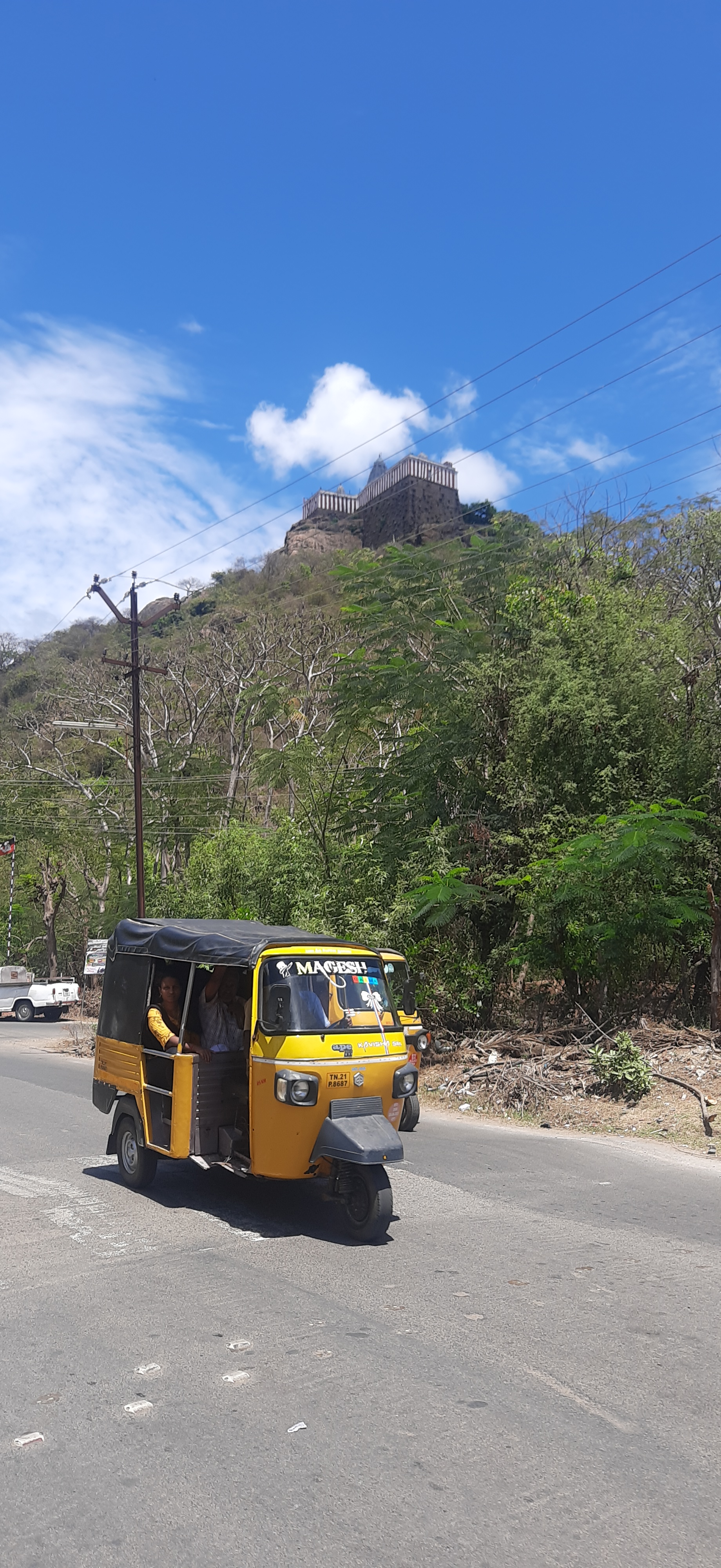
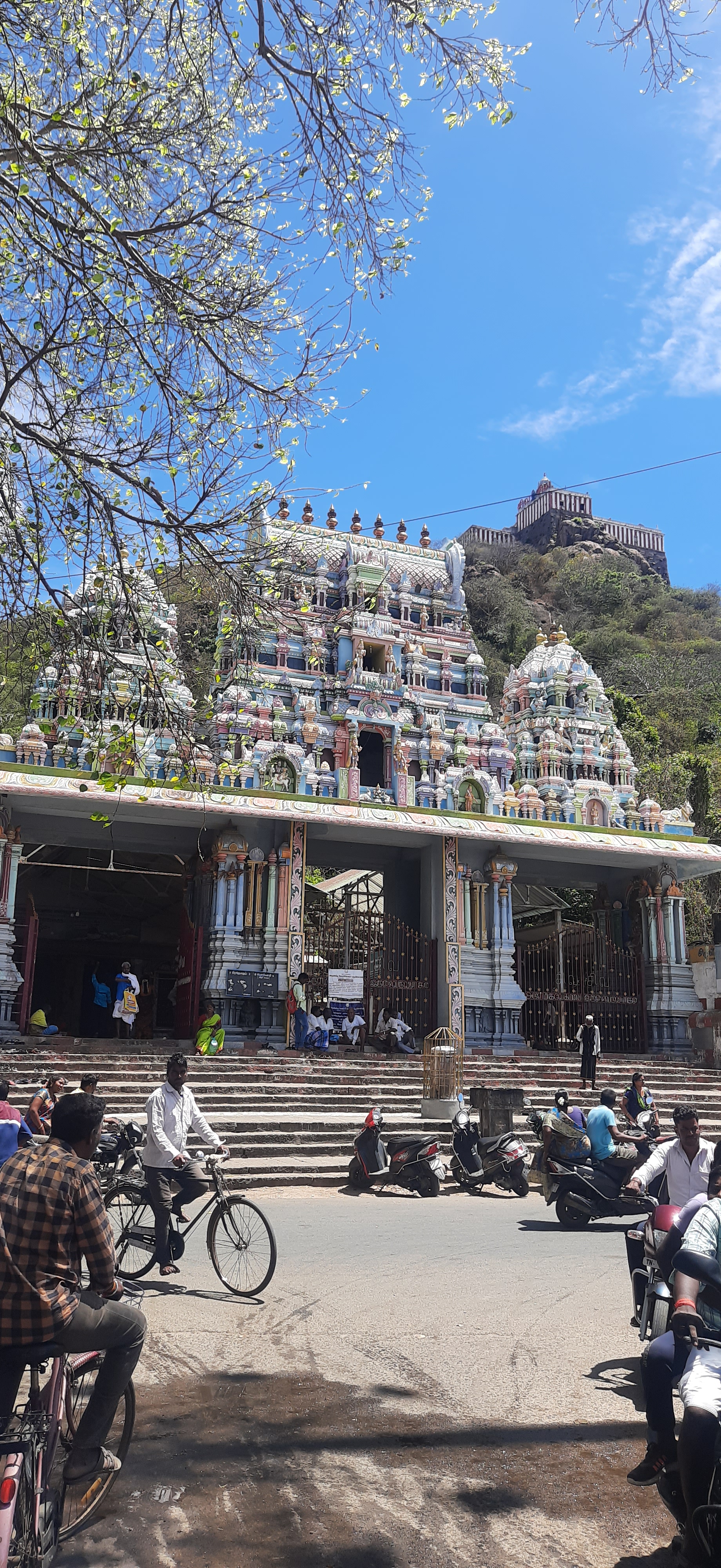
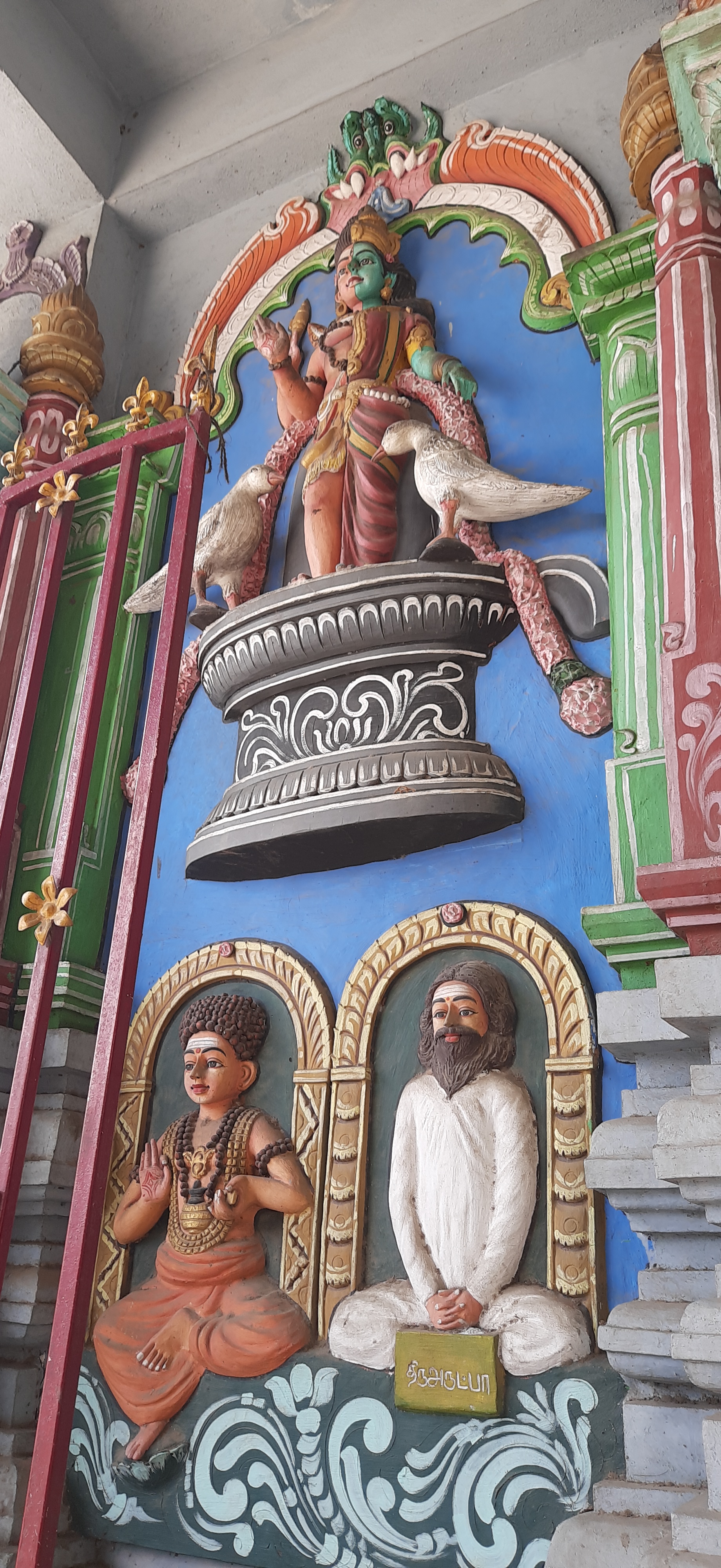
The complex consists of two parts: one at the top of the hill and the other at the foot. The first is dedicated to Lord Shiva (master of those Vedic Mountains) and the second to his wife, Parvati (named Thiripurasundari Amman in this southern part of India, Tamil Nadu).
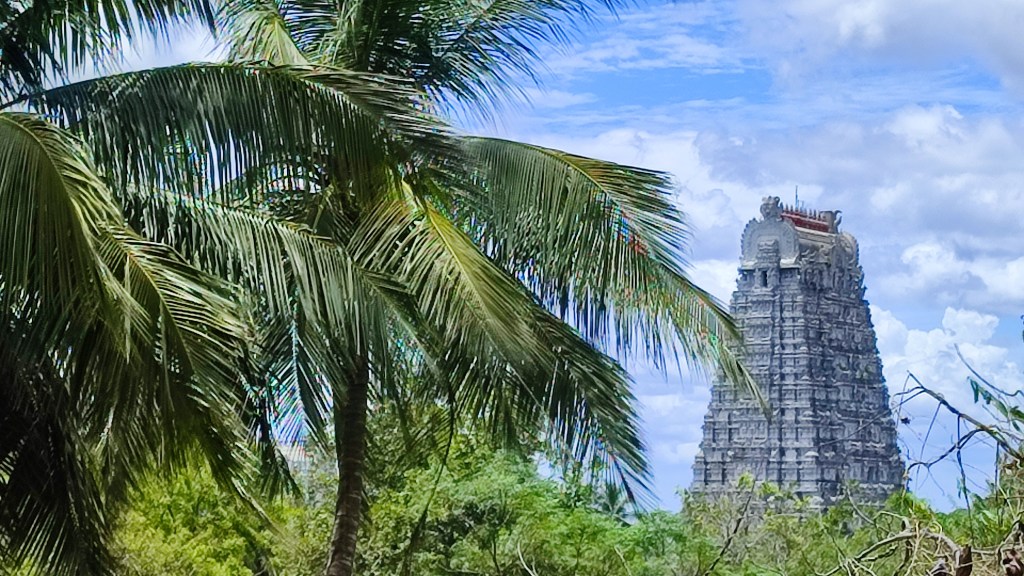
The temple terrain is huge, as well as the four temple towers sticking up. You can see them from afar, which is ofcourse a beautiful sight.
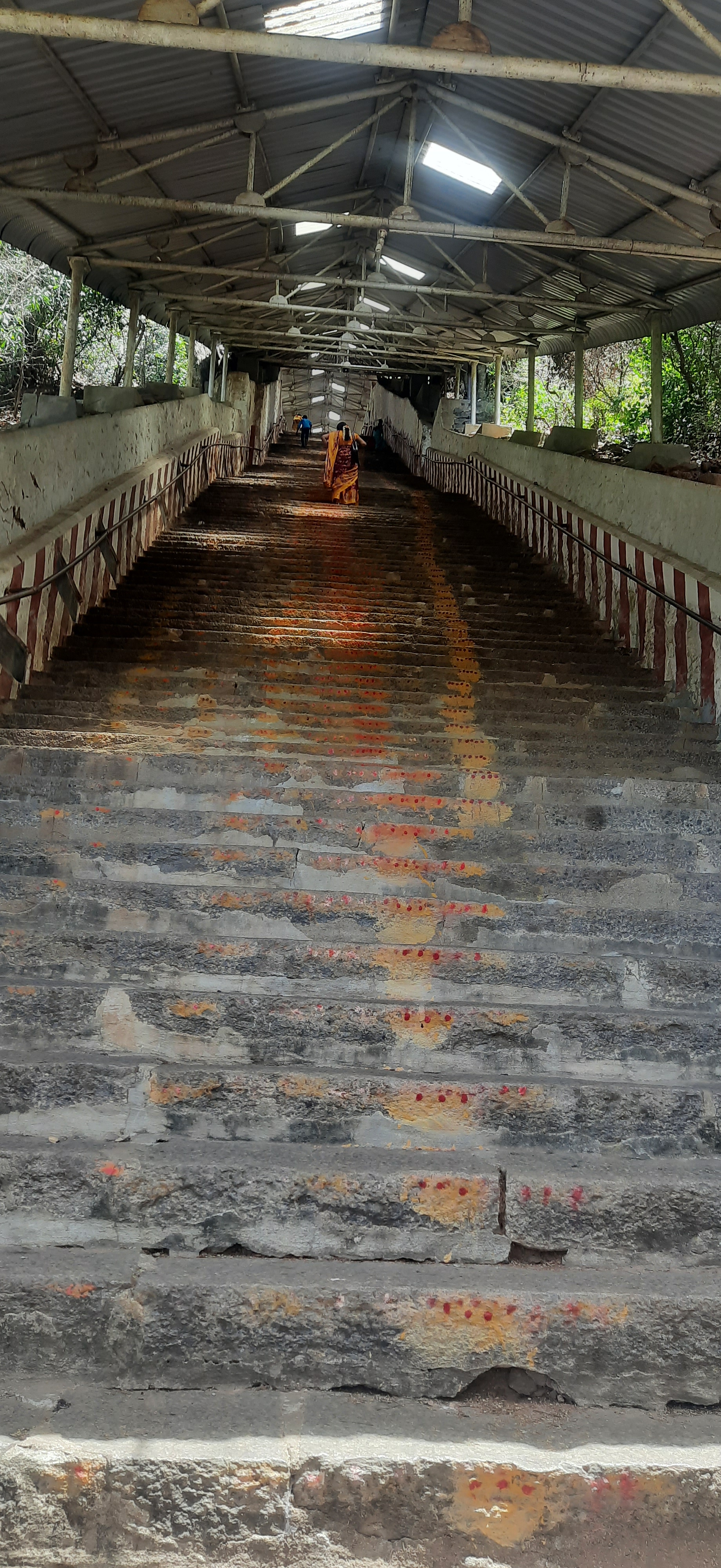
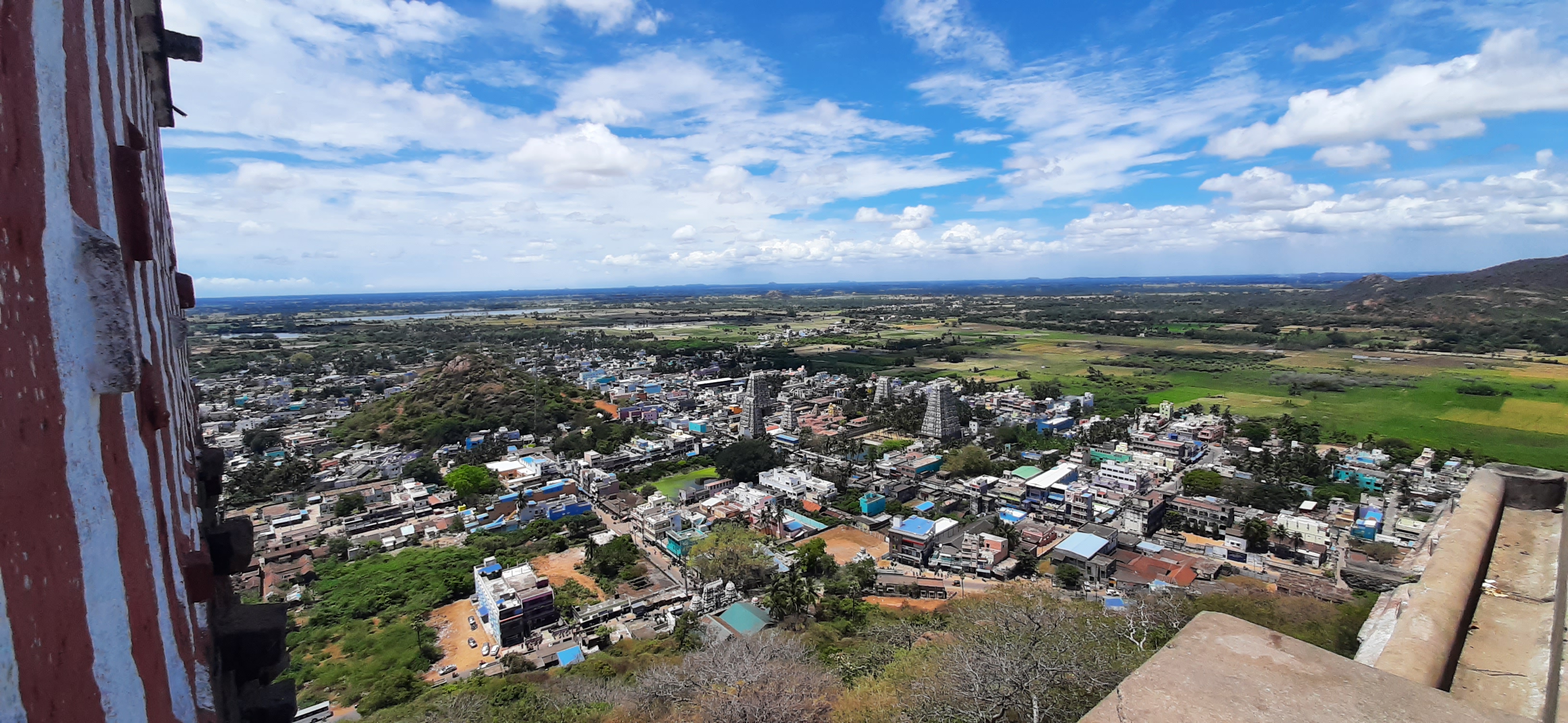
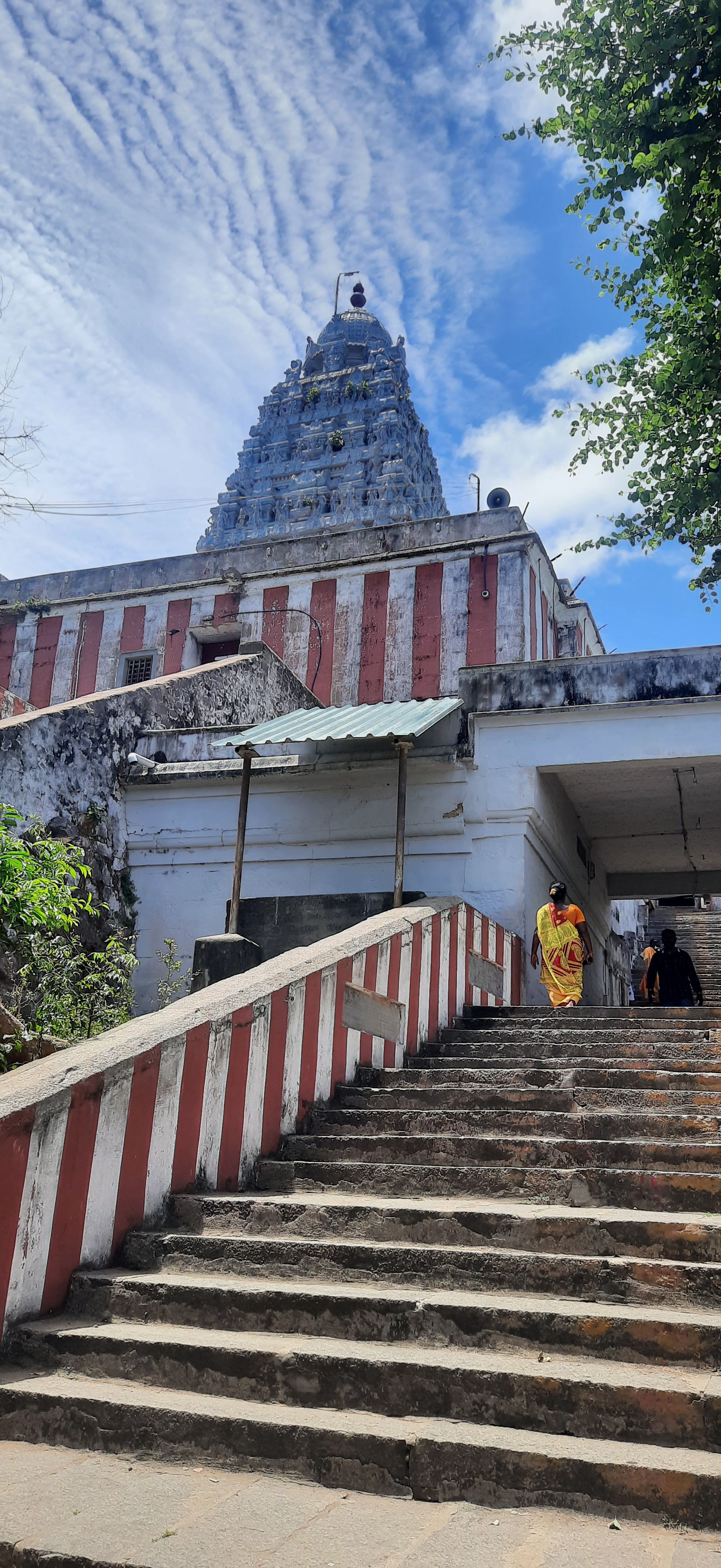
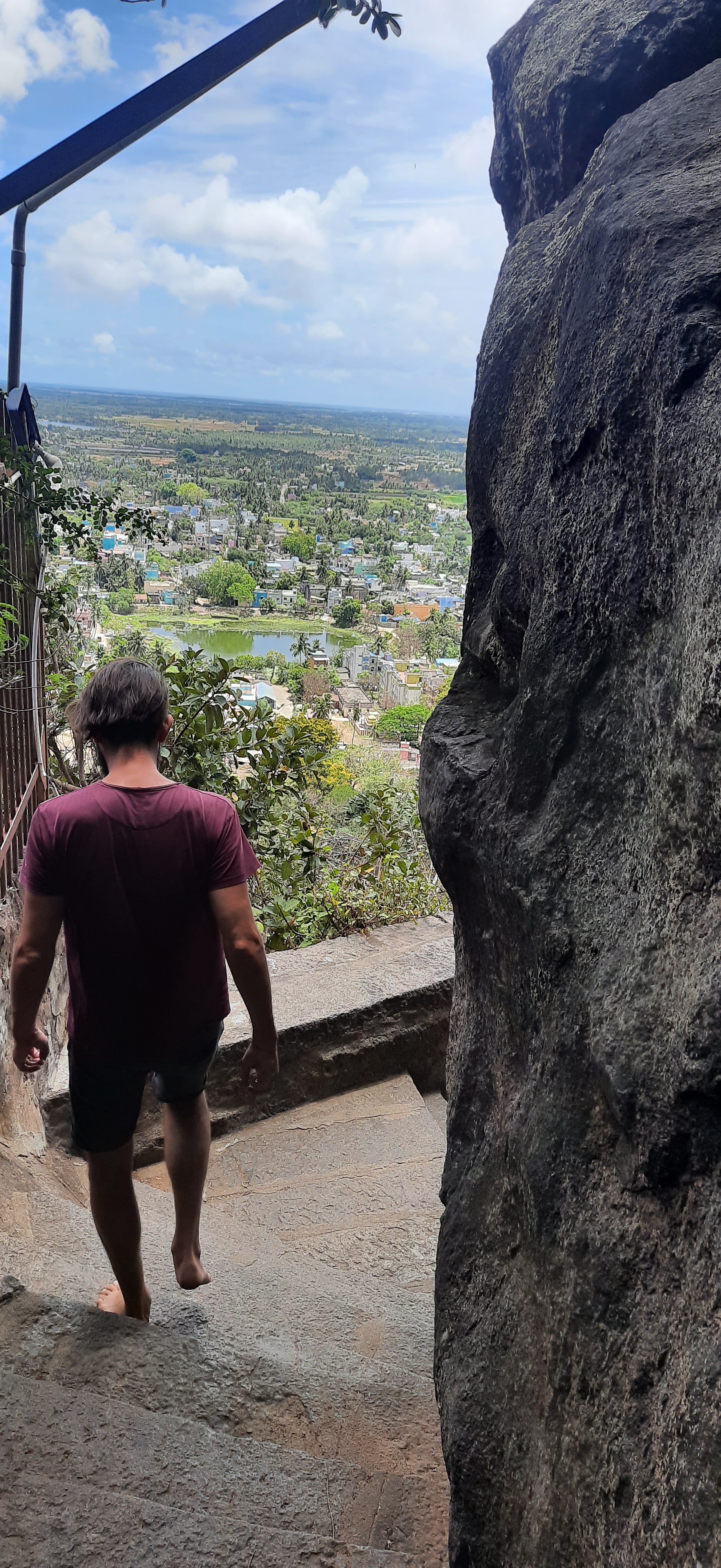
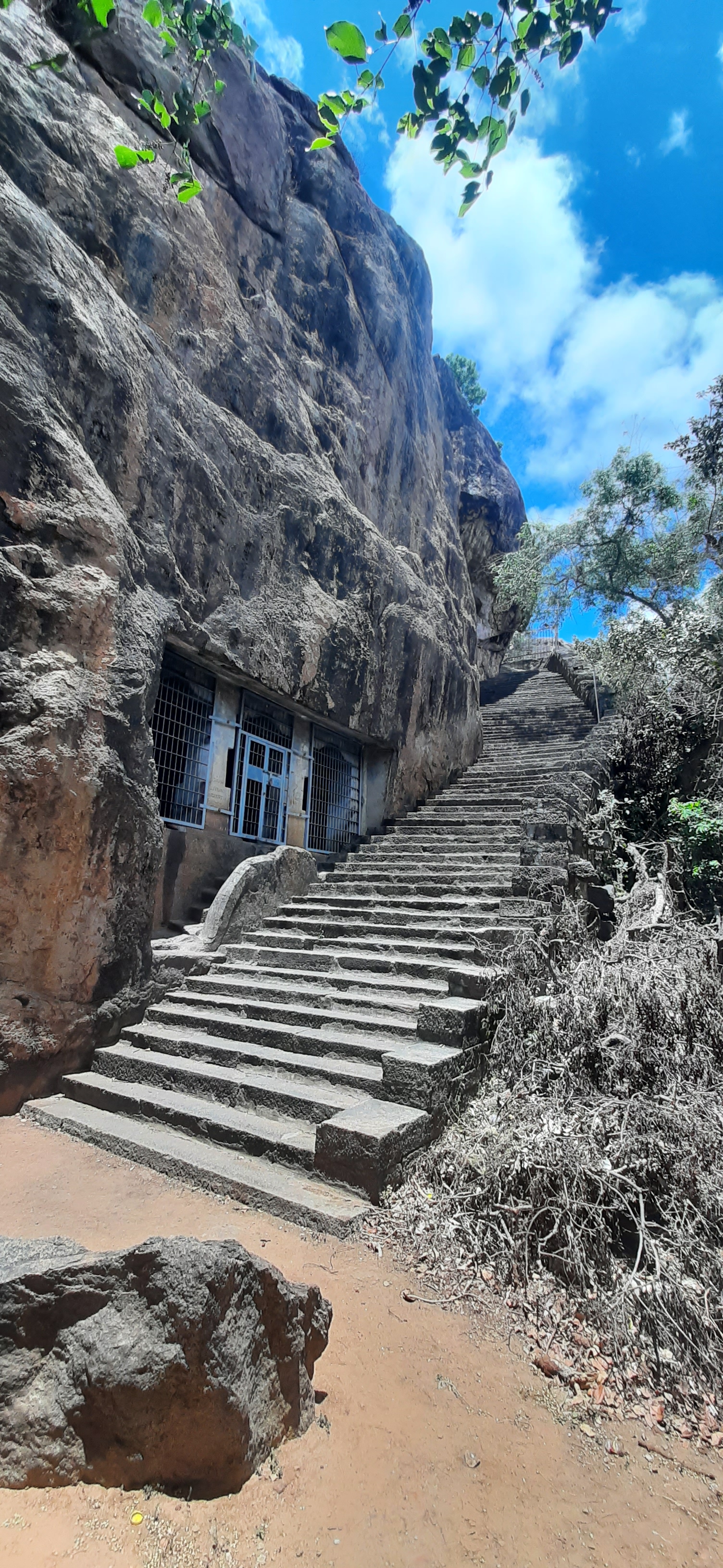
To reach the temple on top of the hill, you have to climb a lot (over 500) of steps. And on a sunny day these steps can be quite hot..
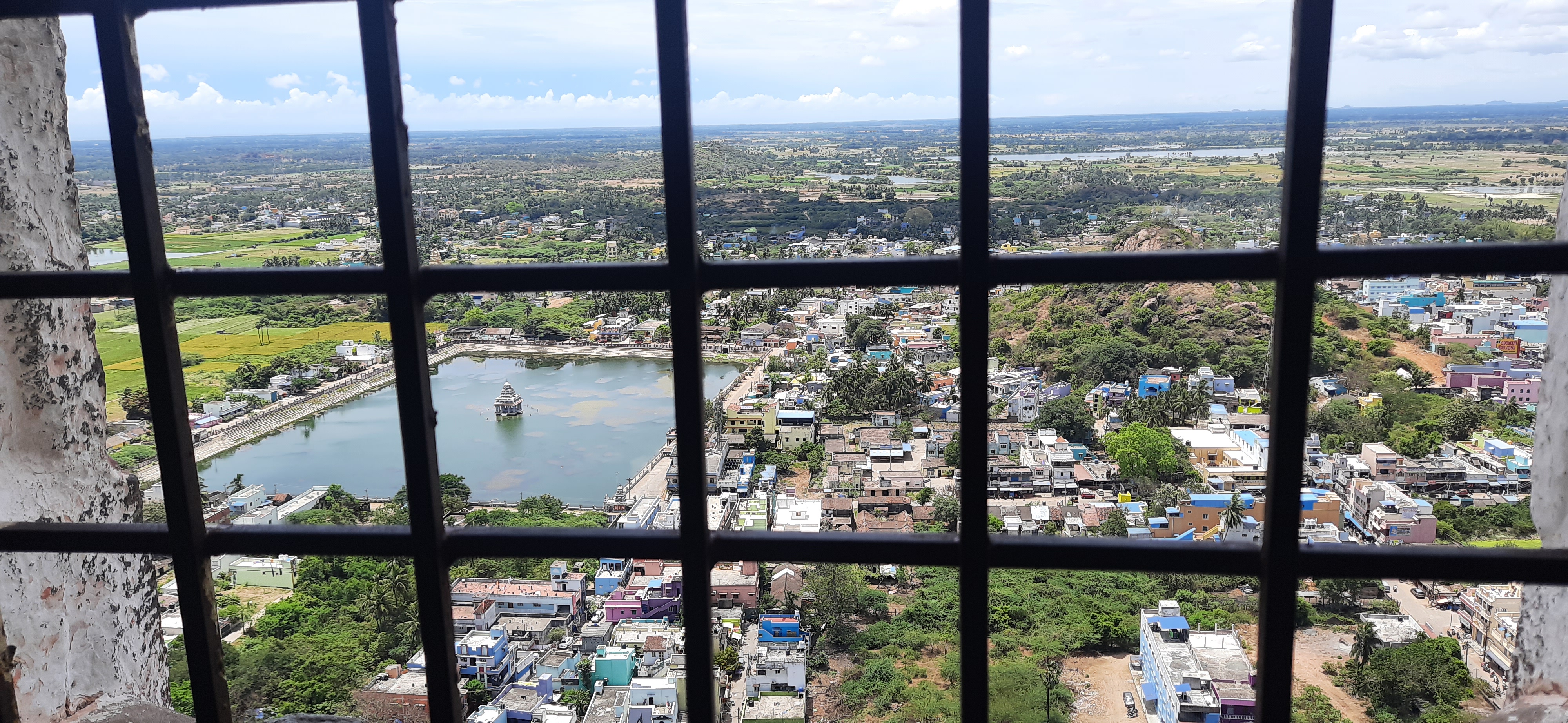
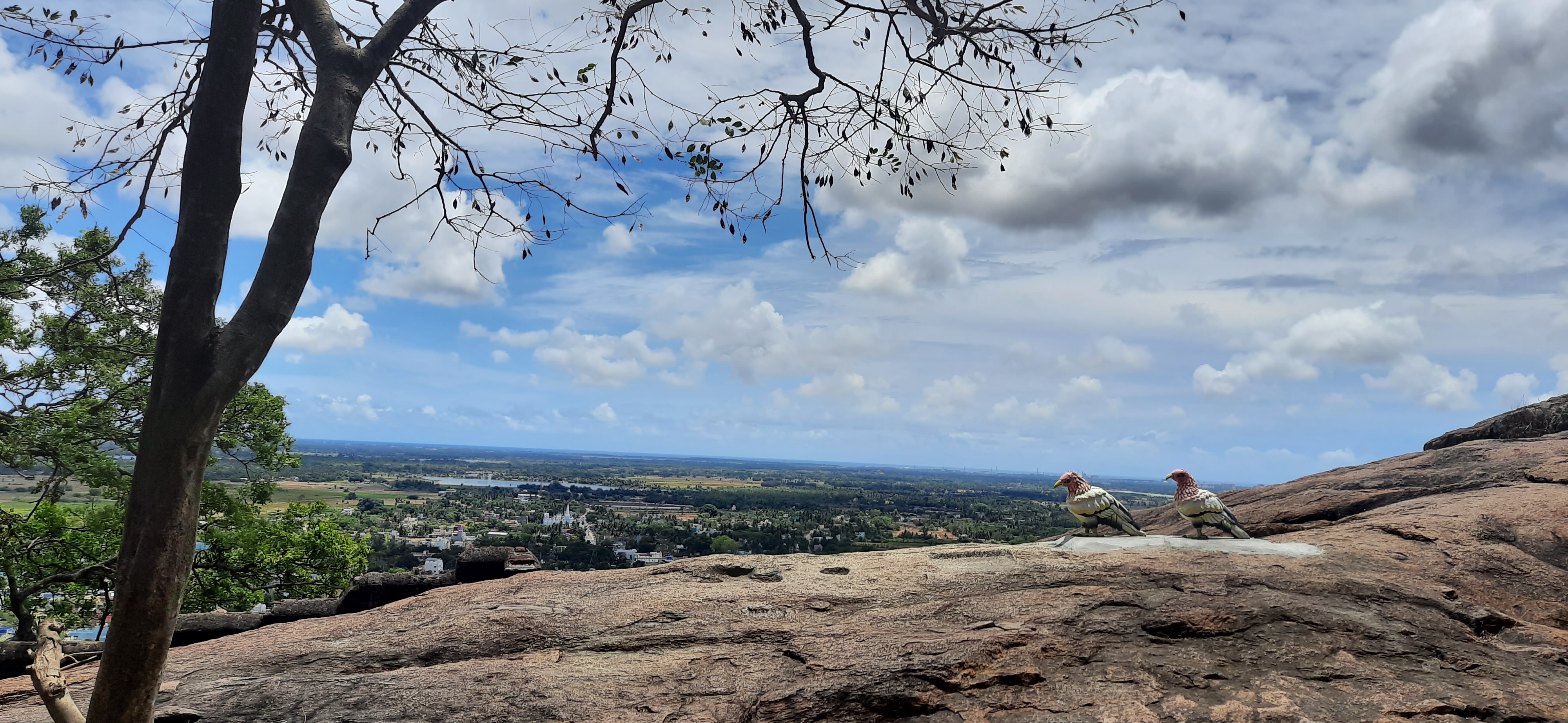
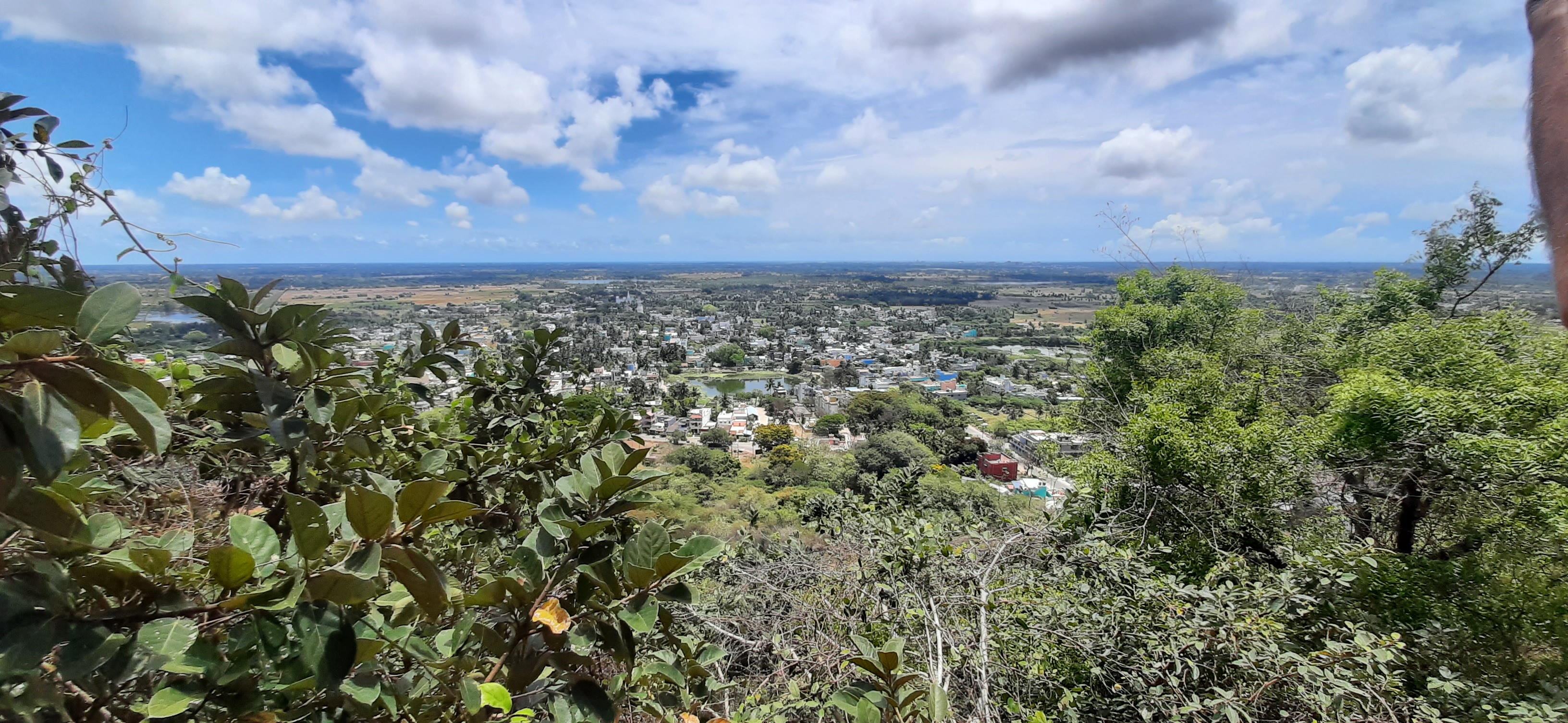
The almost 360° view from the top all over the Thirukalukundram region is incredible!
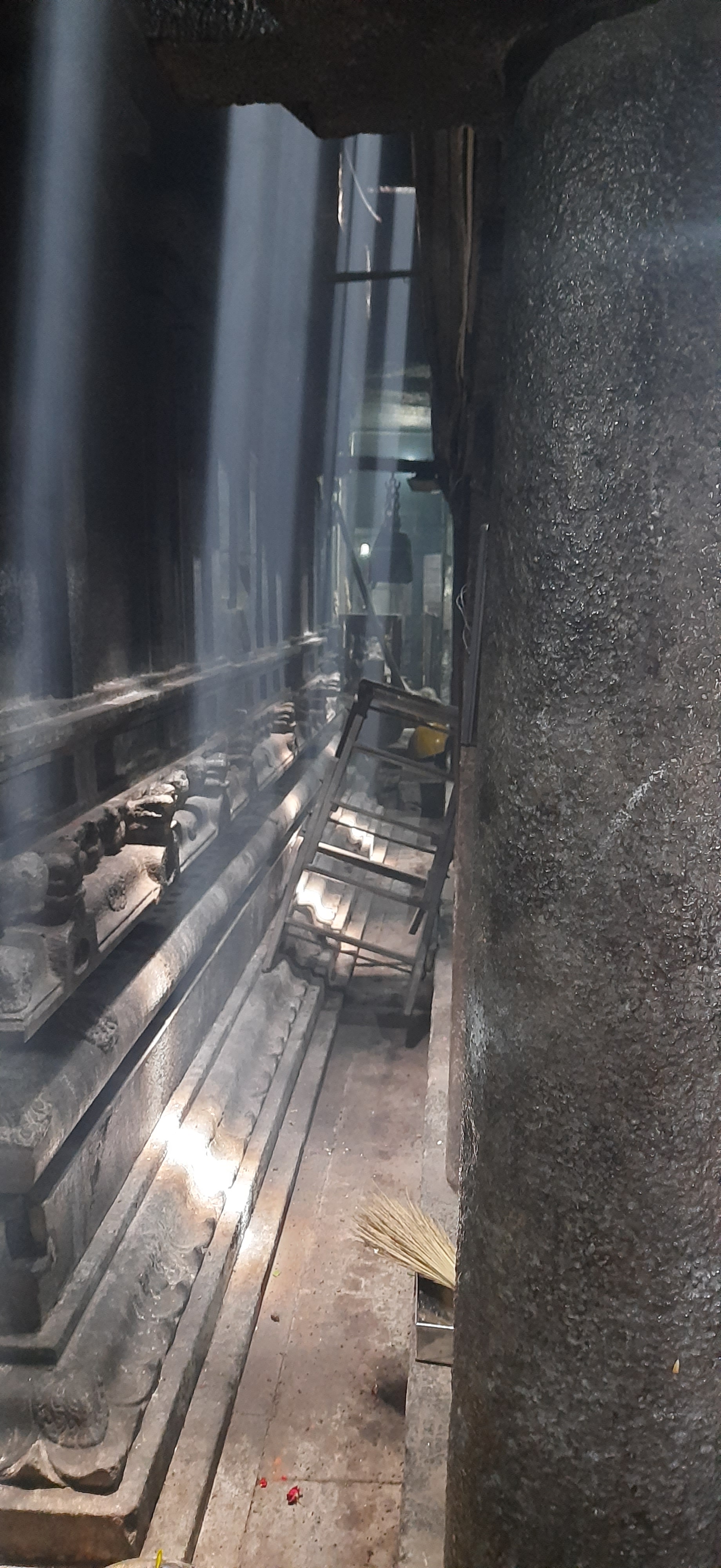
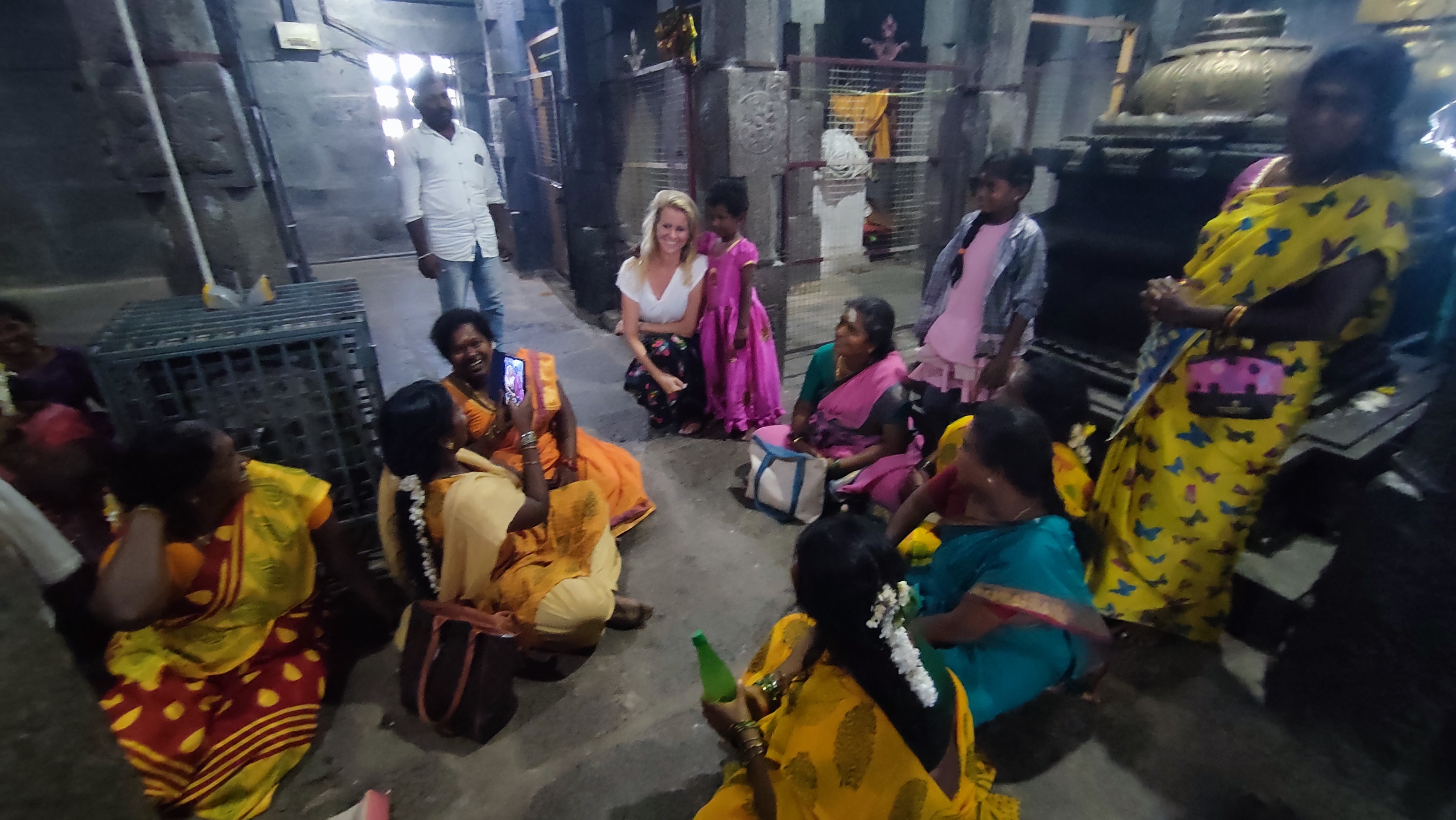
With the black stone, narrow corridor around the shrine, and limited natural light, the inside of the temple has kind of a dungeon and mystic feel at the same time. At set times you can attain a Hindu ceremony here dedicated to Lord Shiva.
Bird stand-ins
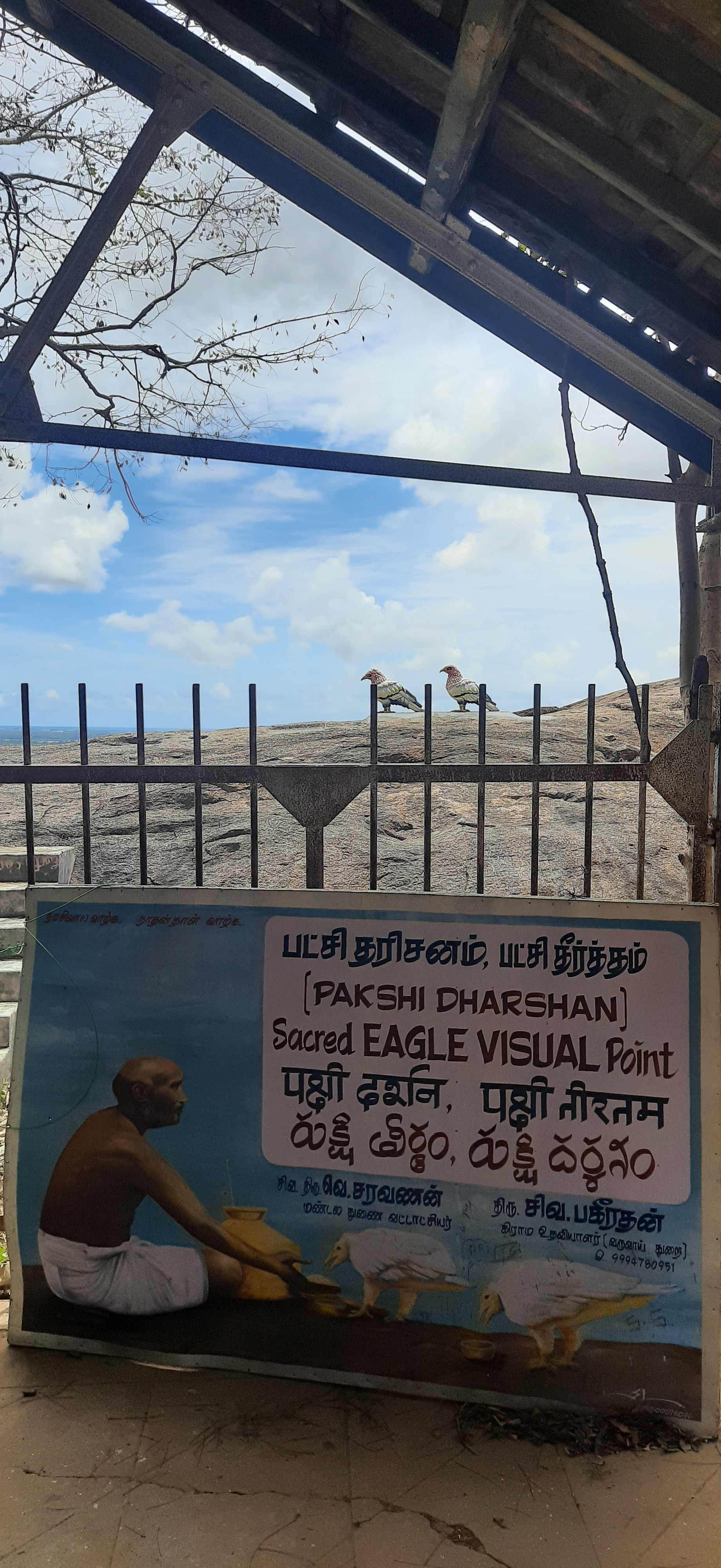
Walking down along the back side of the temple makes it possible to walk around the complex. This way you also pass the eagle landing spot, separated with a fence. This is probably done for safety reasons, since they used to sit on top of a rock. 2 replica birds are the only thing remaining nowadays.
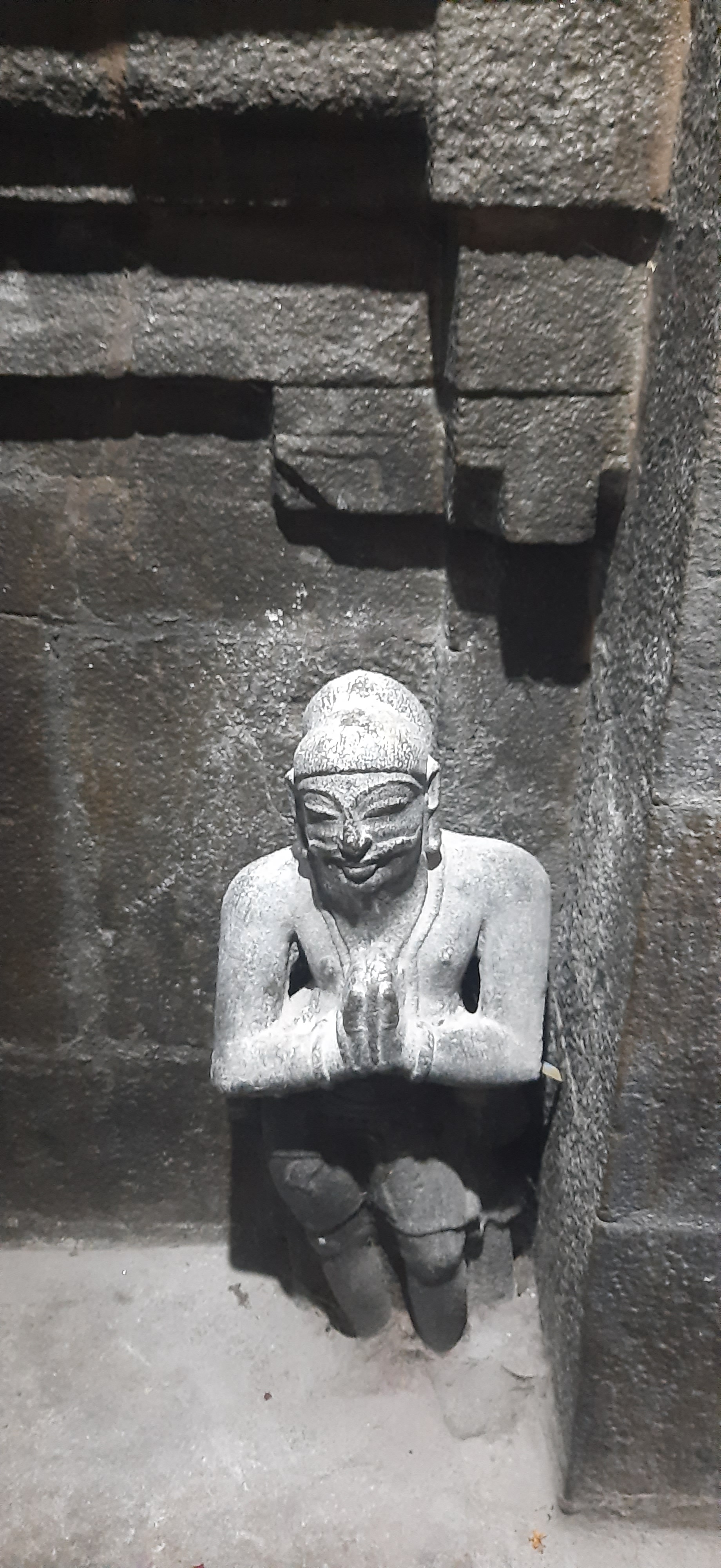
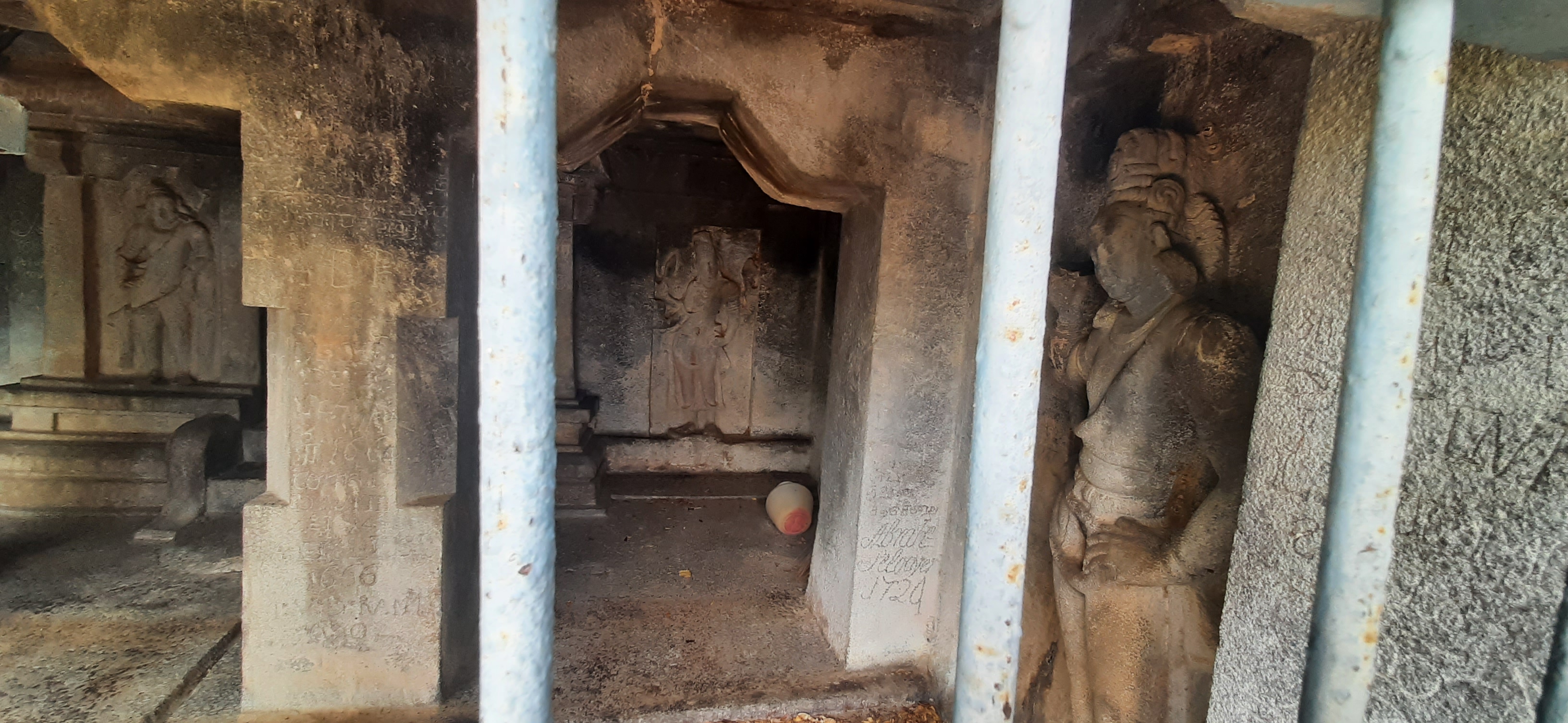
When you walk further up from the bird landing site you can visit a monolithic cave temple, full of “rare sculptures”. What makes these carvings so special, is that the religious scene is sculpted out of a single rock. Further down, along the stairs you find more carvings, protected with a fence and with some Dutch remains on the outside (see below).
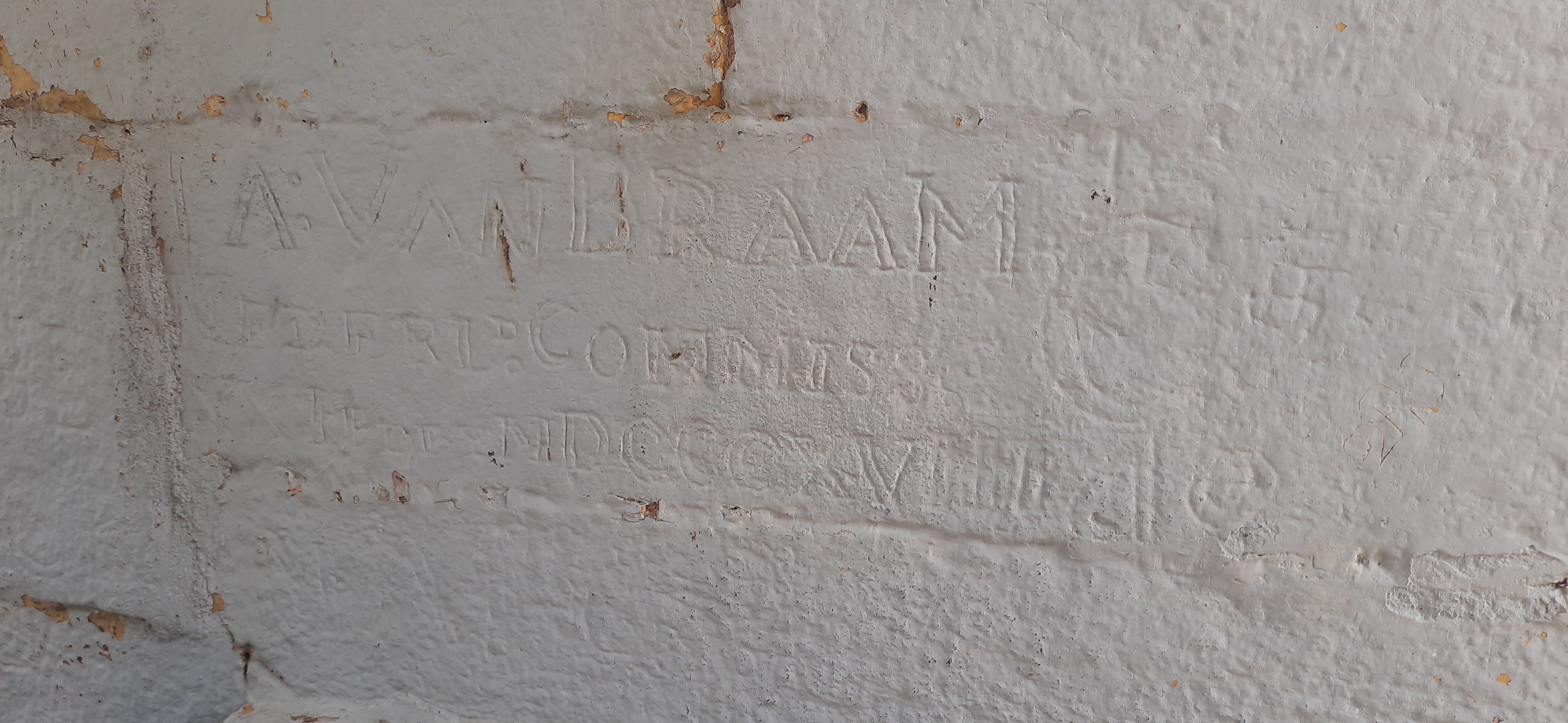
Some historical Dutch graffiti
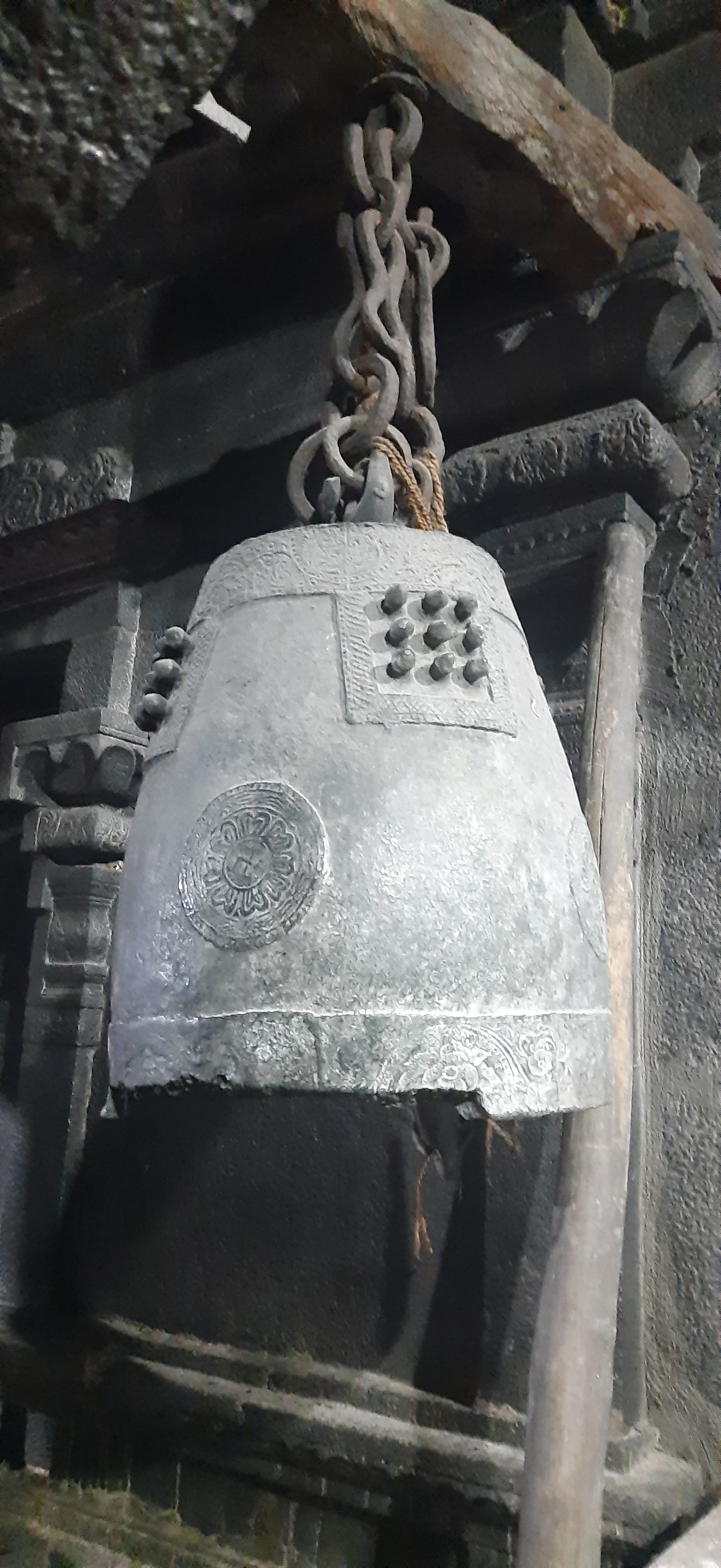
In and around the temple you can find Dutch remains. Inside the temple the priest pointed out a giant cast iron bell. As we understood from him this bell, like many other temple valuables, was taken from the temple and transported to the Dutch Fort at sea, during the time of the Dutch East India Company.

Inside the cave temple on the way down you can find some interesting historical stone inscriptions. These texts imply that the Dutch actually visited the place, “driven by curiosity to visit the temple where eagles visit on a regular basis”.
As a souvenir they have also etched their names in the temple wall, along with the date (29th of November, 1667).
(Source: Thirukazhukundram.com)
Practical info about visiting the Eagle Temple – shortlist to screenshot
- Names: Eagle Temple (or Kazhugu koil) / Vedhagiriswarar Temple / Thirukalukundram Shiva Temple
- Opening times:
- 9 am –12.30 pm (morning)
- 4.45 – 7.30 pm (noon)
- Required time: 1 – 2 hrs
- Costs: 2 rupees (€ 0,02) / 25 rupees ((€ 0,30) for camera use
- More information: http://www.thirukalukundram.in/
- Don’t forget:
- it’s quite a climb up.. bring enough water, especially on a hot day!
- check the cast iron Dutch bell inside the temple
- take a look at the viewpoint where the eagles used to land
- consider paying a visit to the nearby cave (one higher up, and the other down along the stairs)
- also visit the other part of the temple complex at the foot of the hill (dedicated to Shiva’s wife)
 Breuhuys