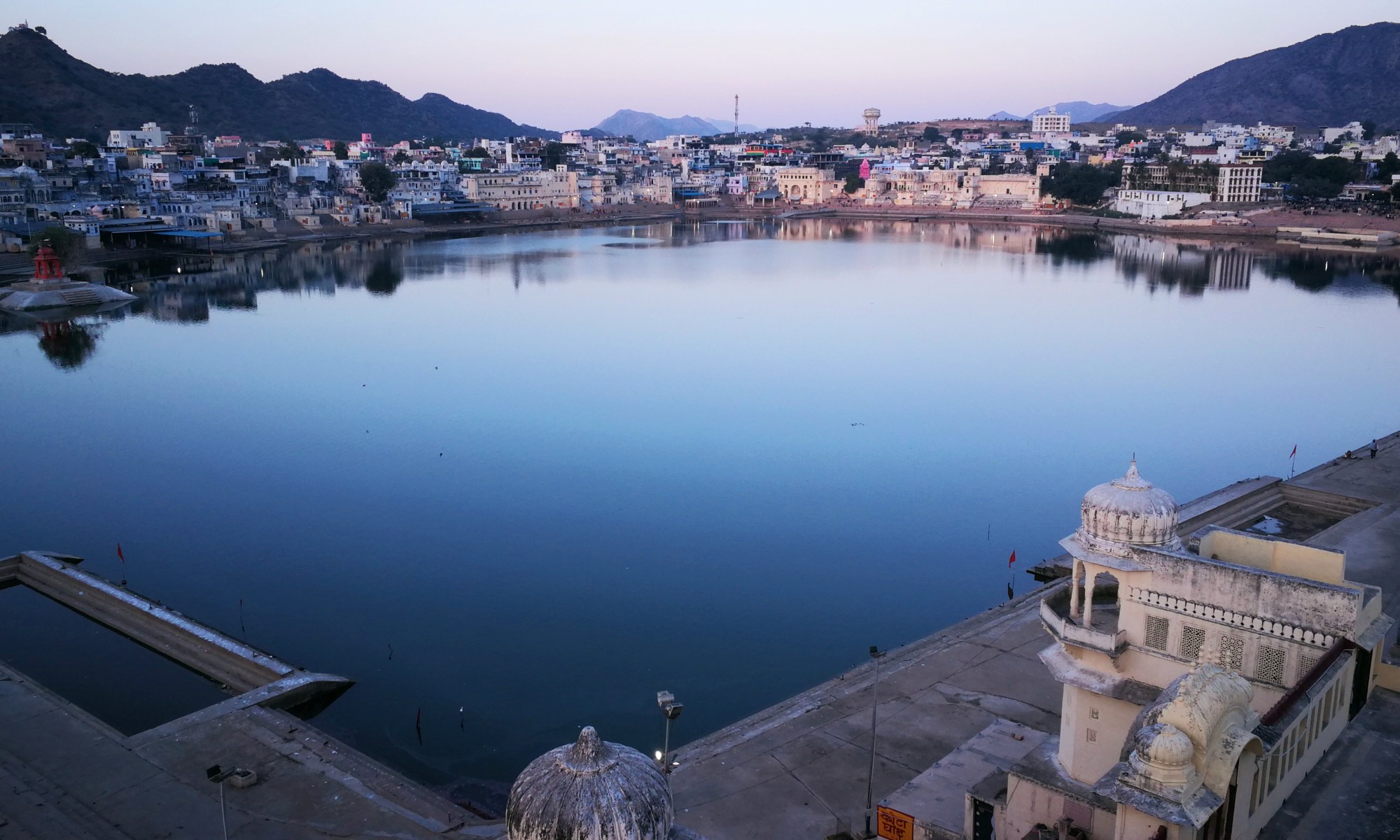
The prime attraction of Pushkar is Pushkar Lake (or Pushkar Sarovar). The city has become a Hindu pilgrimage place because of this holy lake in the middle of the town.
Walking around it and spending time on a bench at the lake is a good way to get introduced to the city.
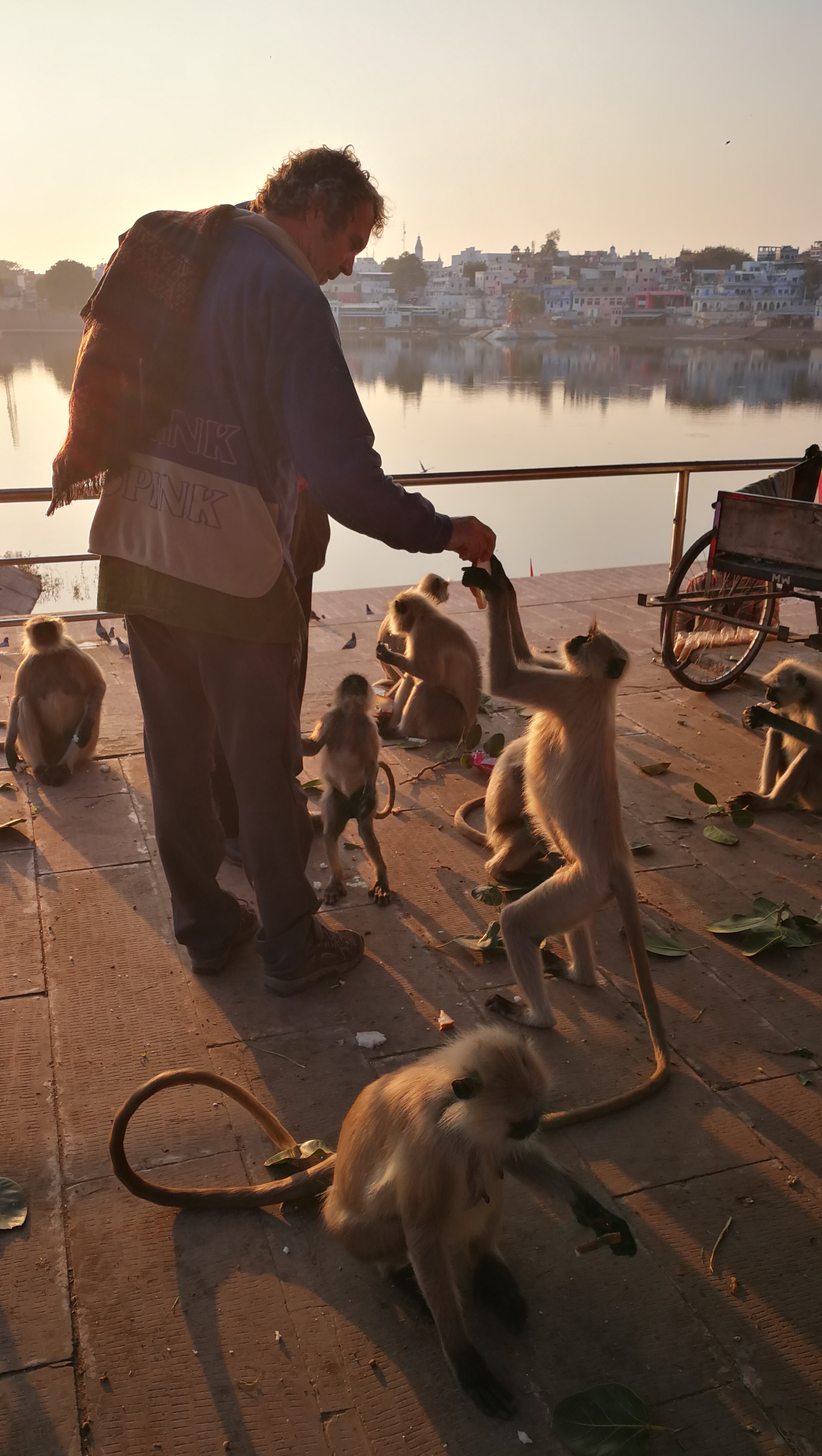
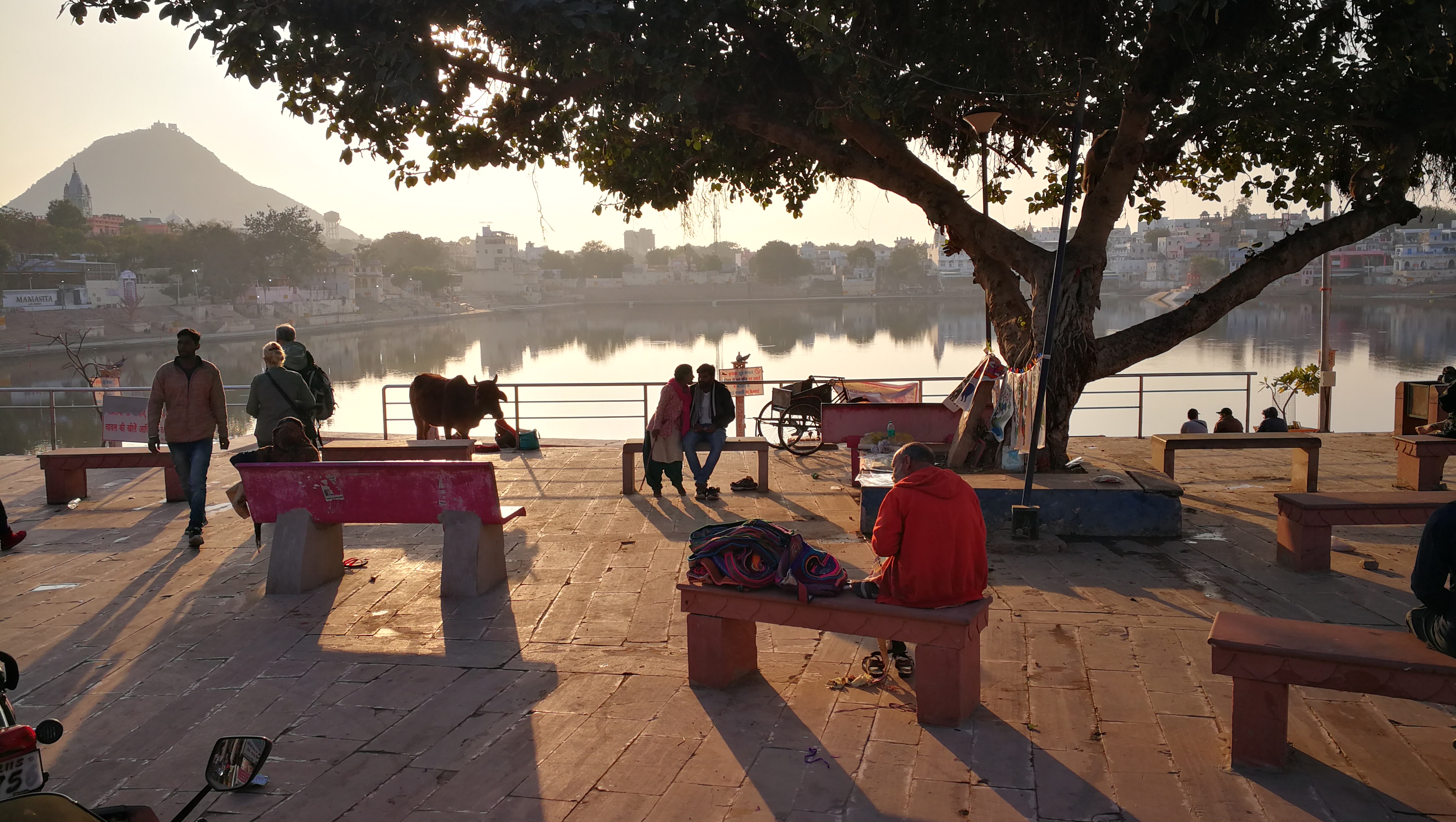
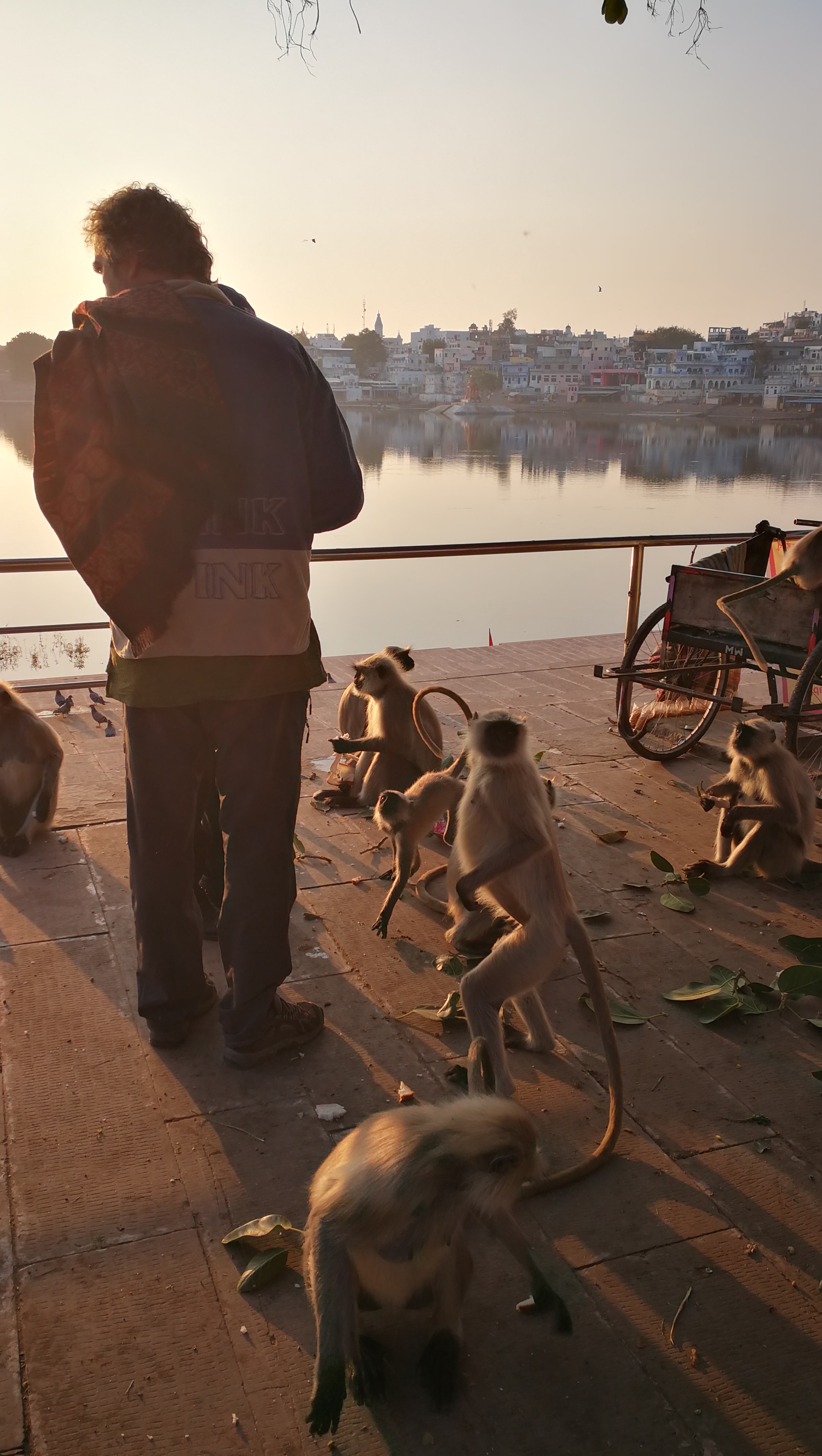
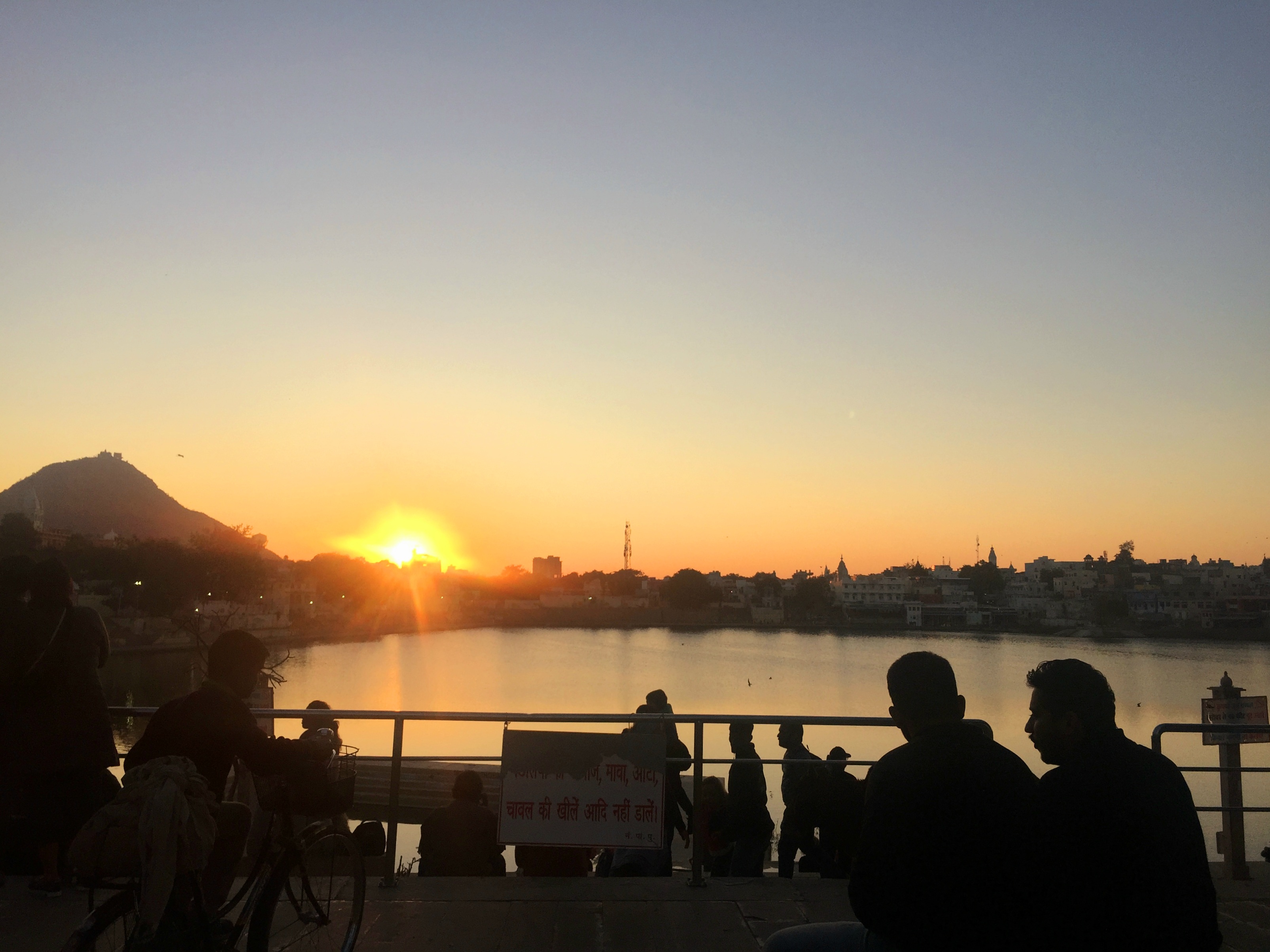
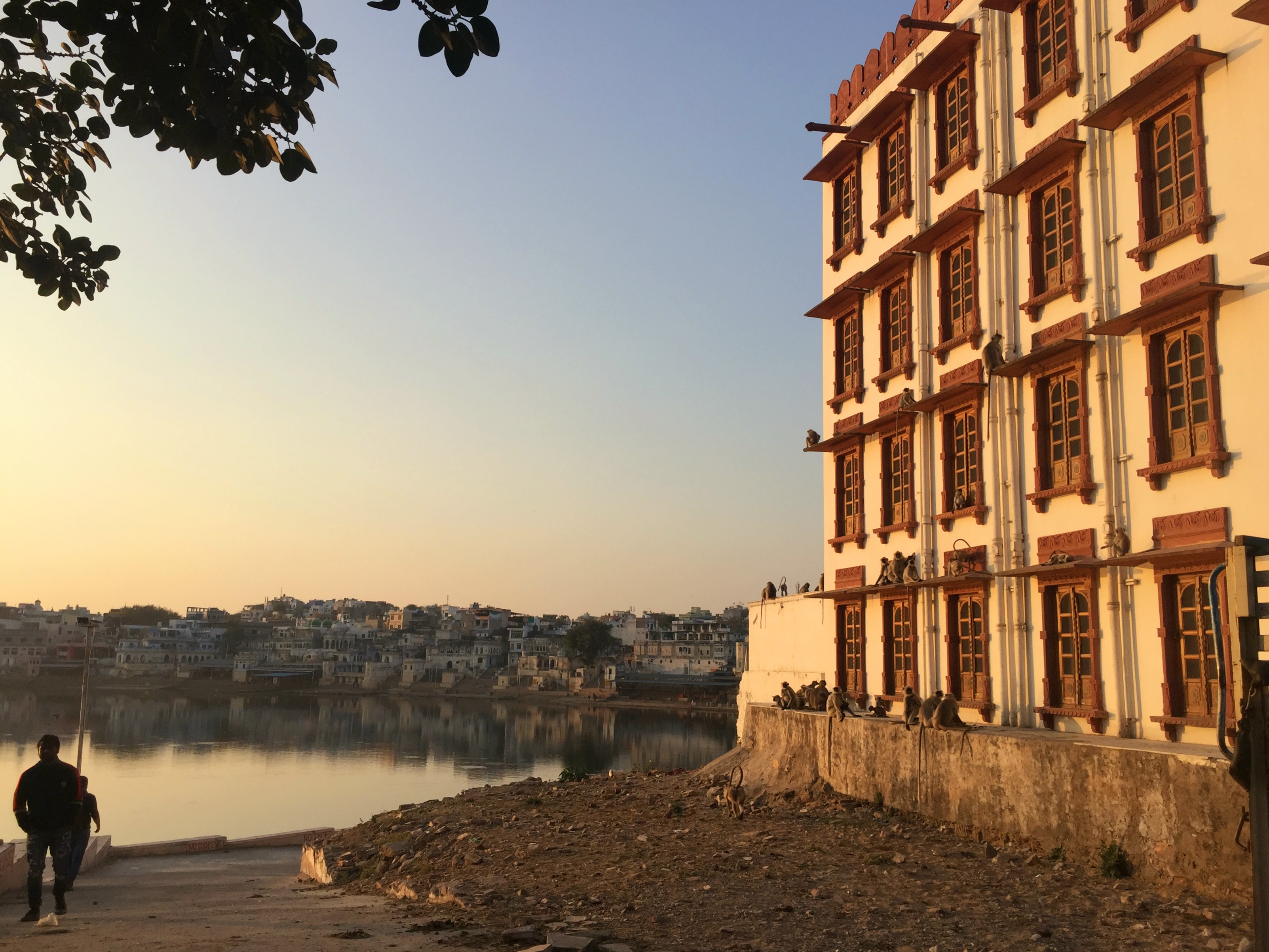
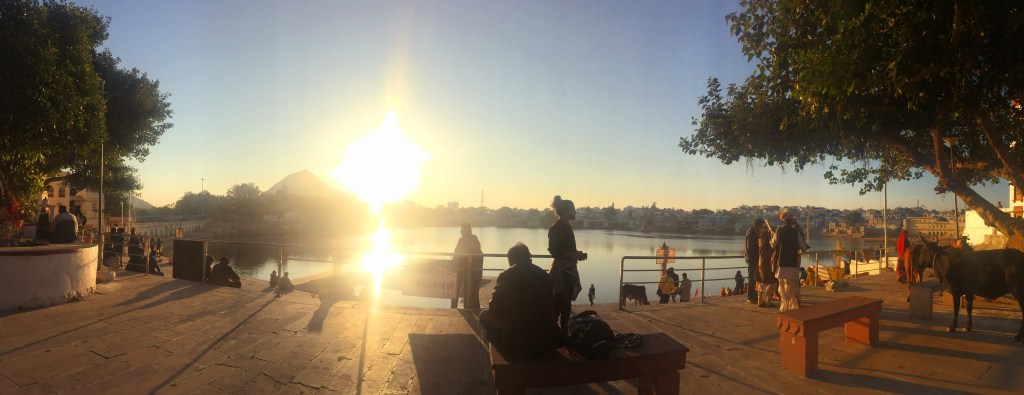
The reflection of the sun on the water, street artists performing, cows and monkeys being fed.. enough to see when sitting at the lake.
According our travel guide, the lake is created by a dam construction on the Luni River in the 12th century. The artificial lake is surrounded by 52 ghats, series of steps that pilgrims use to take a sacred bath.
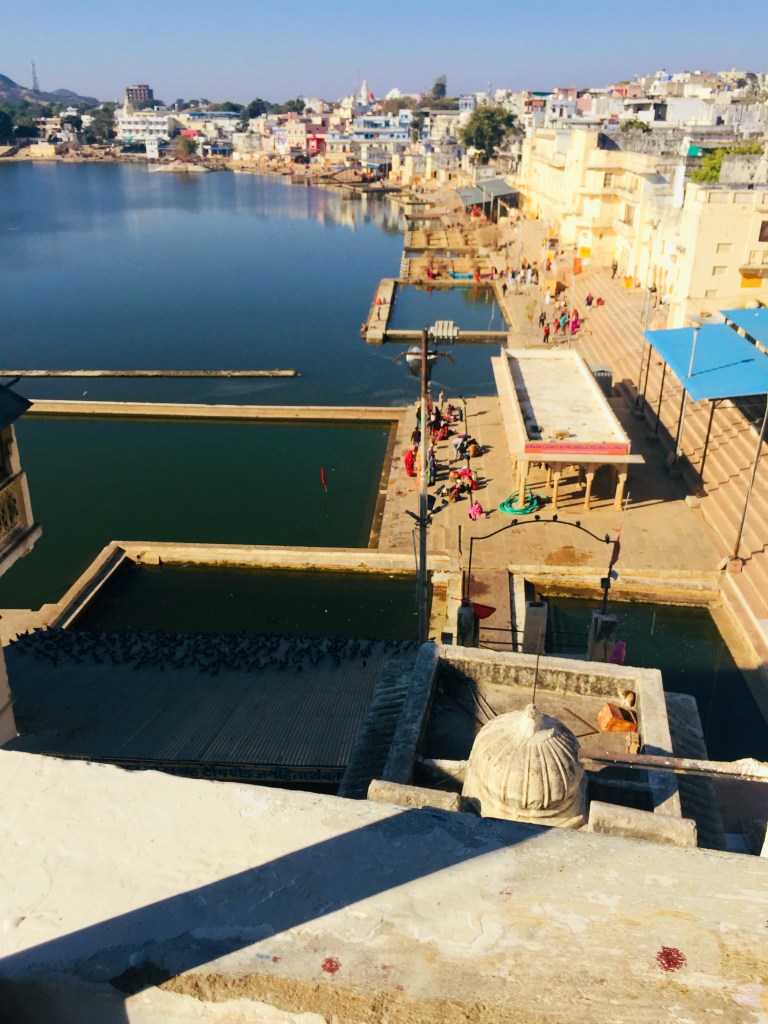
Besides the religious function of cleansing sins, a dip in the sacred lake is also believed to cure skin diseases.
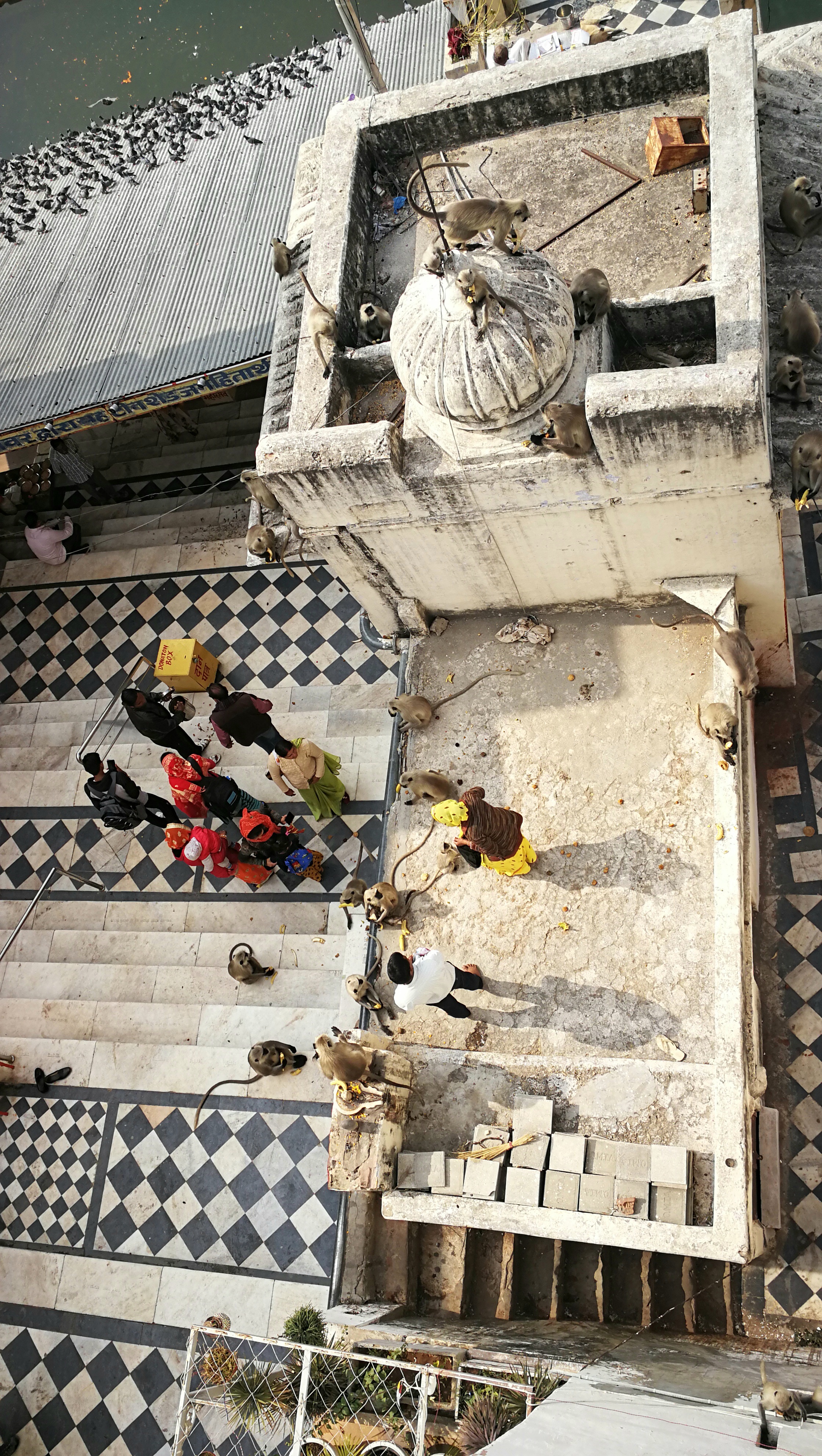
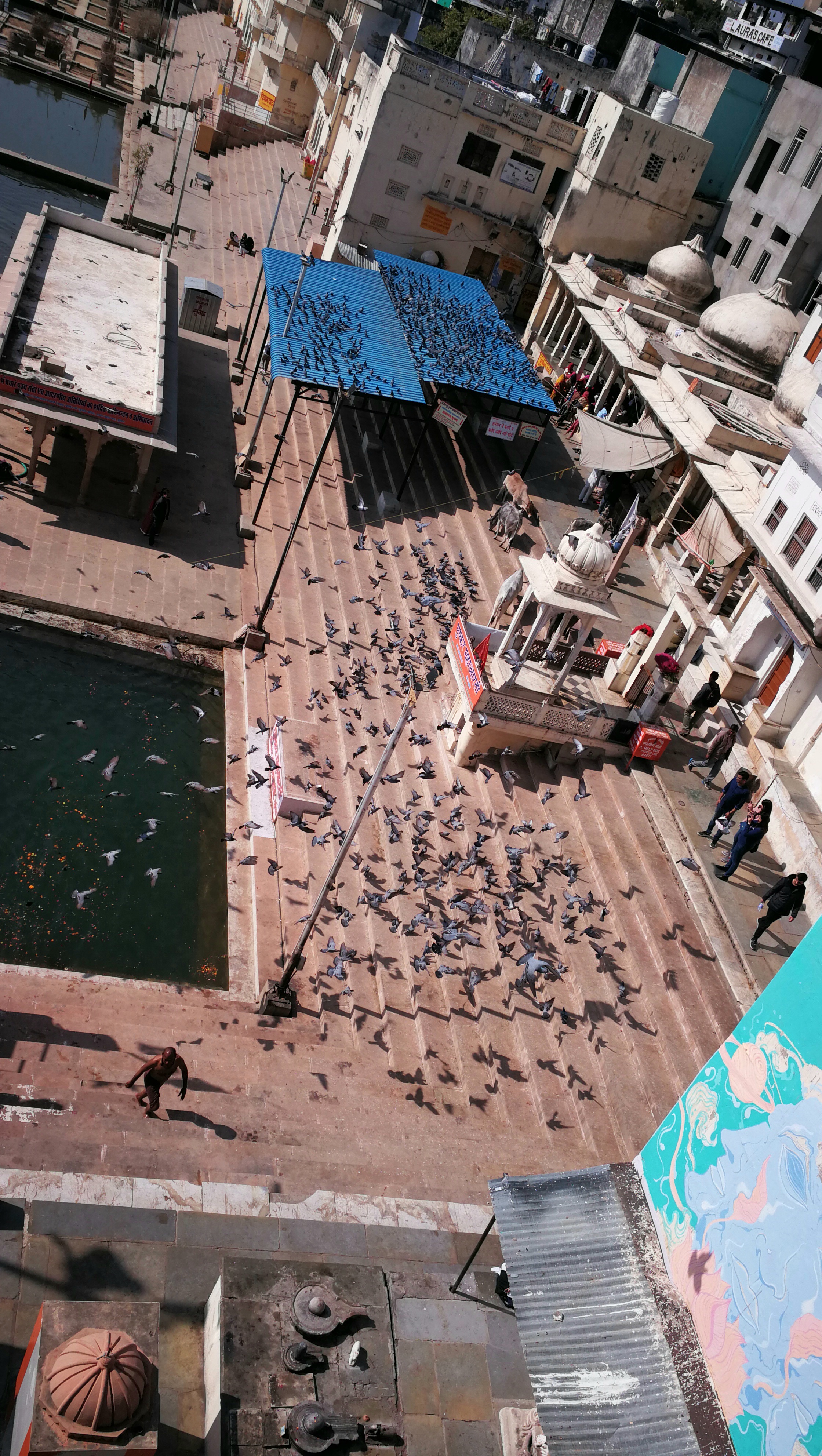
Pilgrims (and monkeys and pigeons) at the banks, preparing for and performing there bathing rituals.
You’ll find most devotees at the pilgrim site in the months October and November, because of the Hindu full moon event Kartik Poornima (this is also the season of the Pushkar Camel Fair).
Many ghats have been named after the rajas (rulers) who built them. Some of the steps have a particular importance. At the Gau Ghat for example, Indira Gandhi, Jawaharlal Nehru and Mahatma Gandhi’s ashes were scattered after their cremation in Delhi. This ghat since then has also been known as Gandhi Ghat.
Legend has it that this lake was consecrated to Lord Brahma, the creator of the universe when a lotus dropped from his hand into the vale and a lake emerged in that place.
This explains the name of the city, since the meaning of the word Pushkar is ‘blue lotus flower’ in Sanskrit. The most prominent temple of Pushkar is dedicated to this creator-God Brahma.
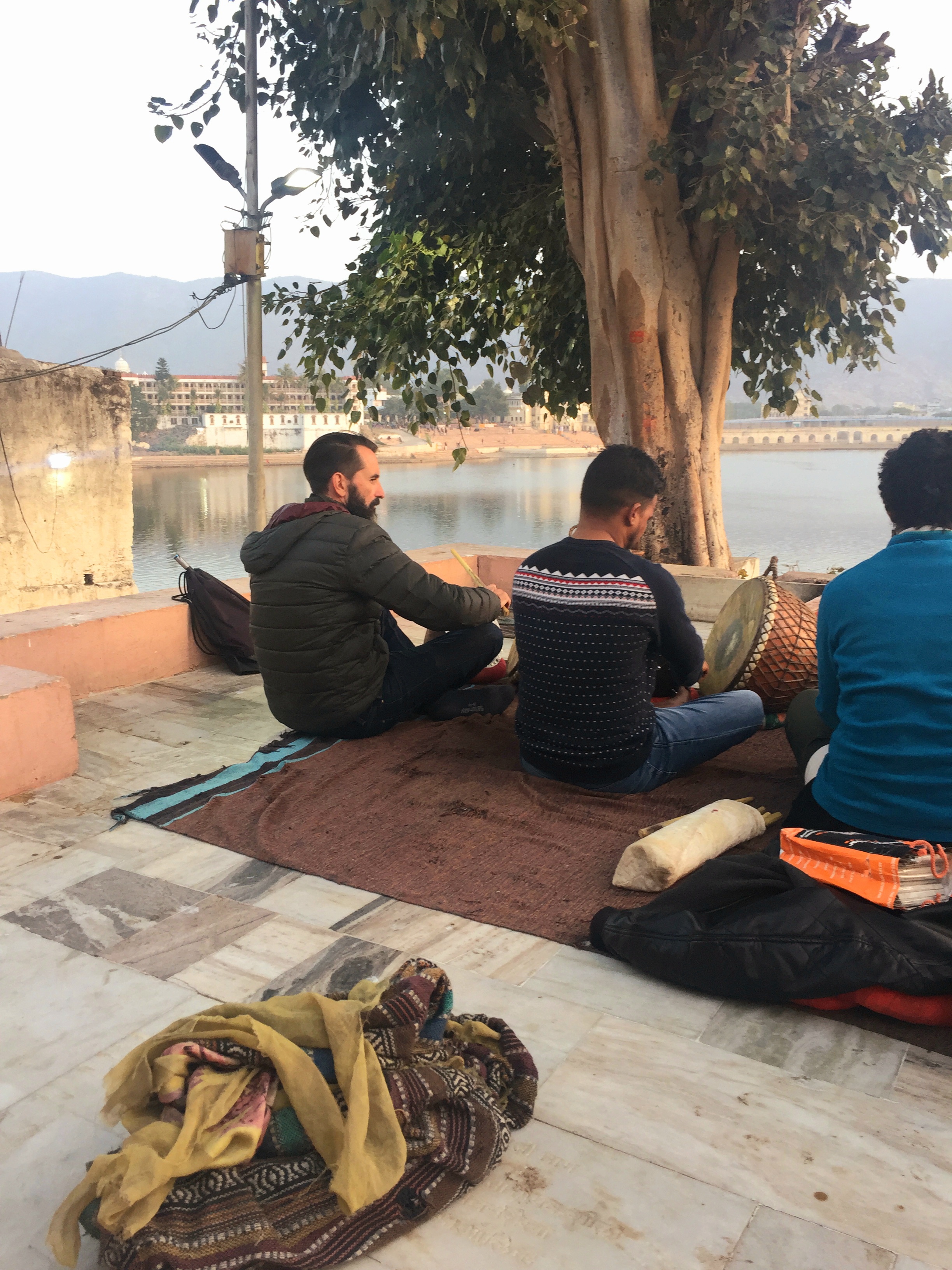
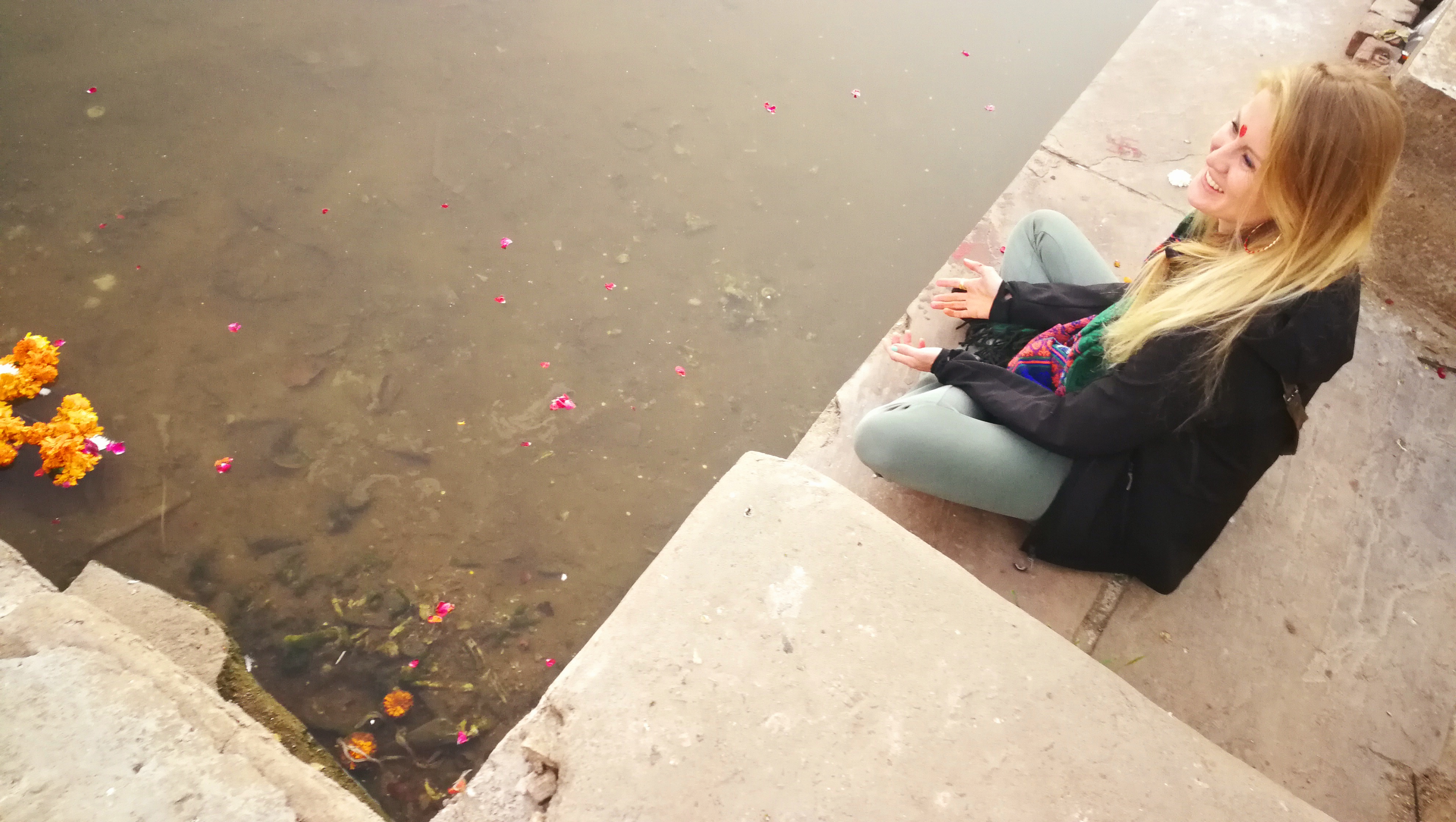
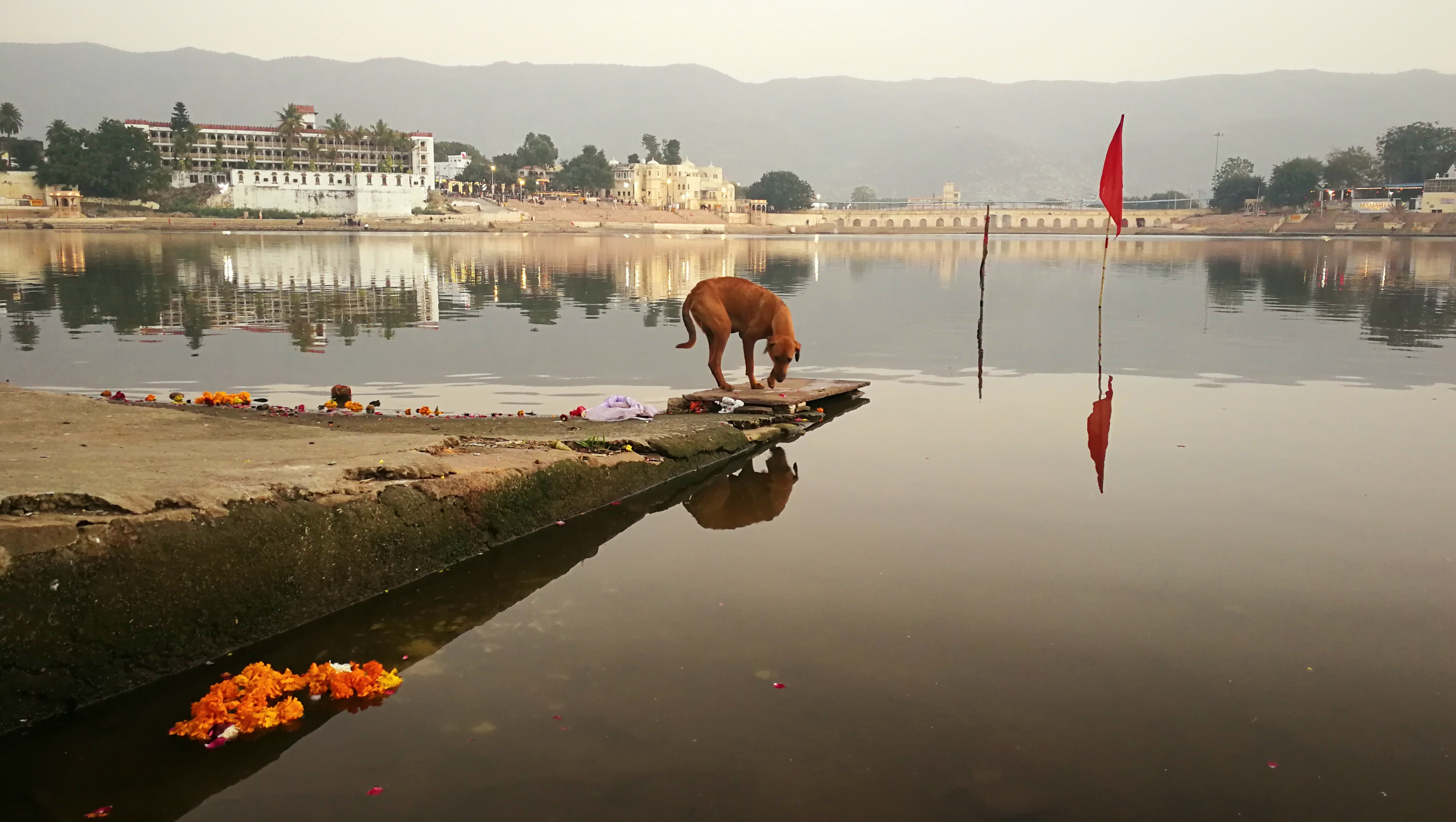
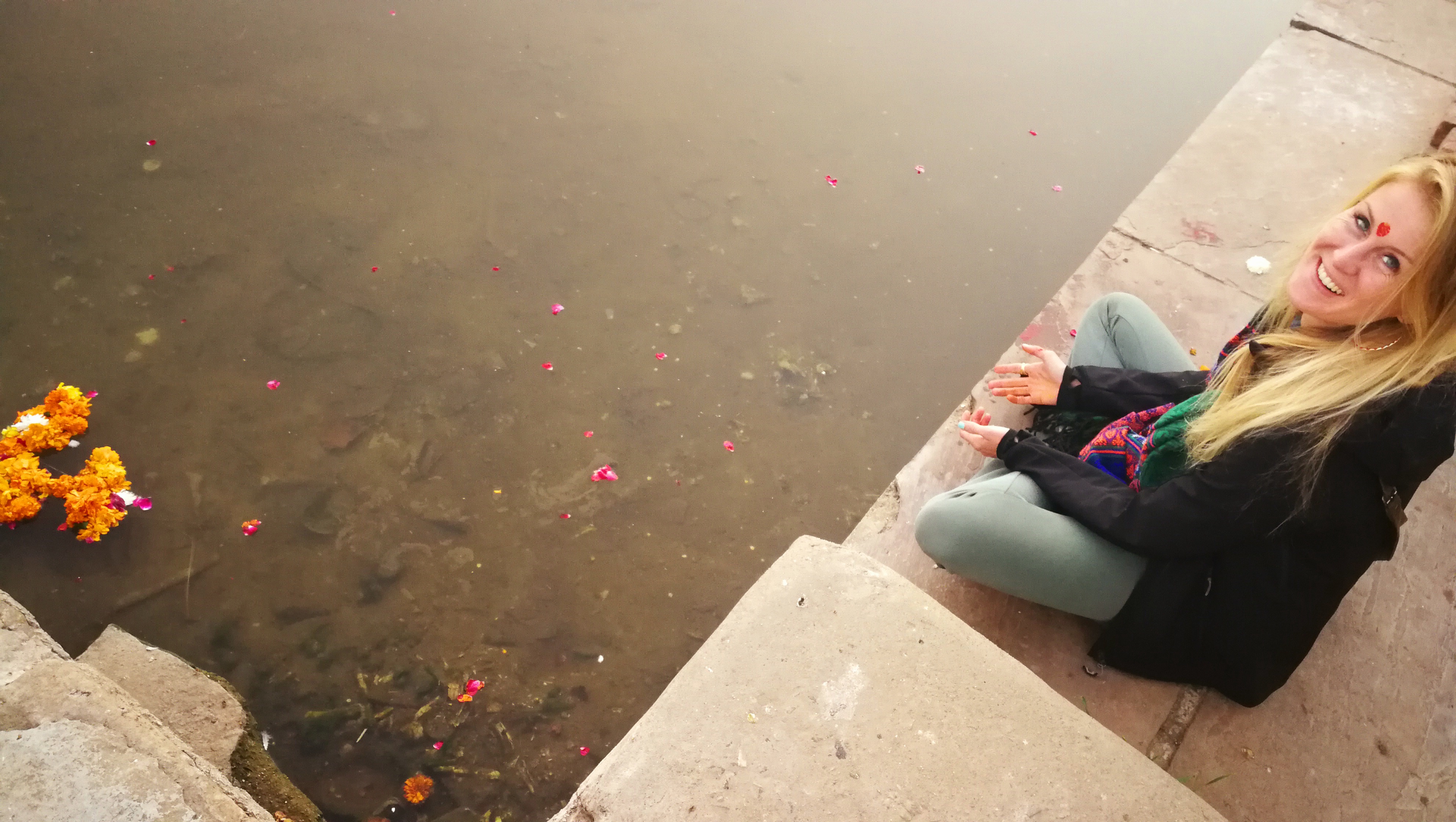
You can also be part of the rituals and energy of the lake, f.e. by joining a traditional Rajasthani music class or performing pooja with a priest (but, make sure to agree on the price/donation first!).
We read that references to the holy lake have already been found on Greek and Kushan coins dating back to the fourth century.
Unfortunately, the popularity seems to take its toll on the lake: because of tourism (and deforestation in the surrounding area) the water quality and water levels decrease, destroying the fish population as well.
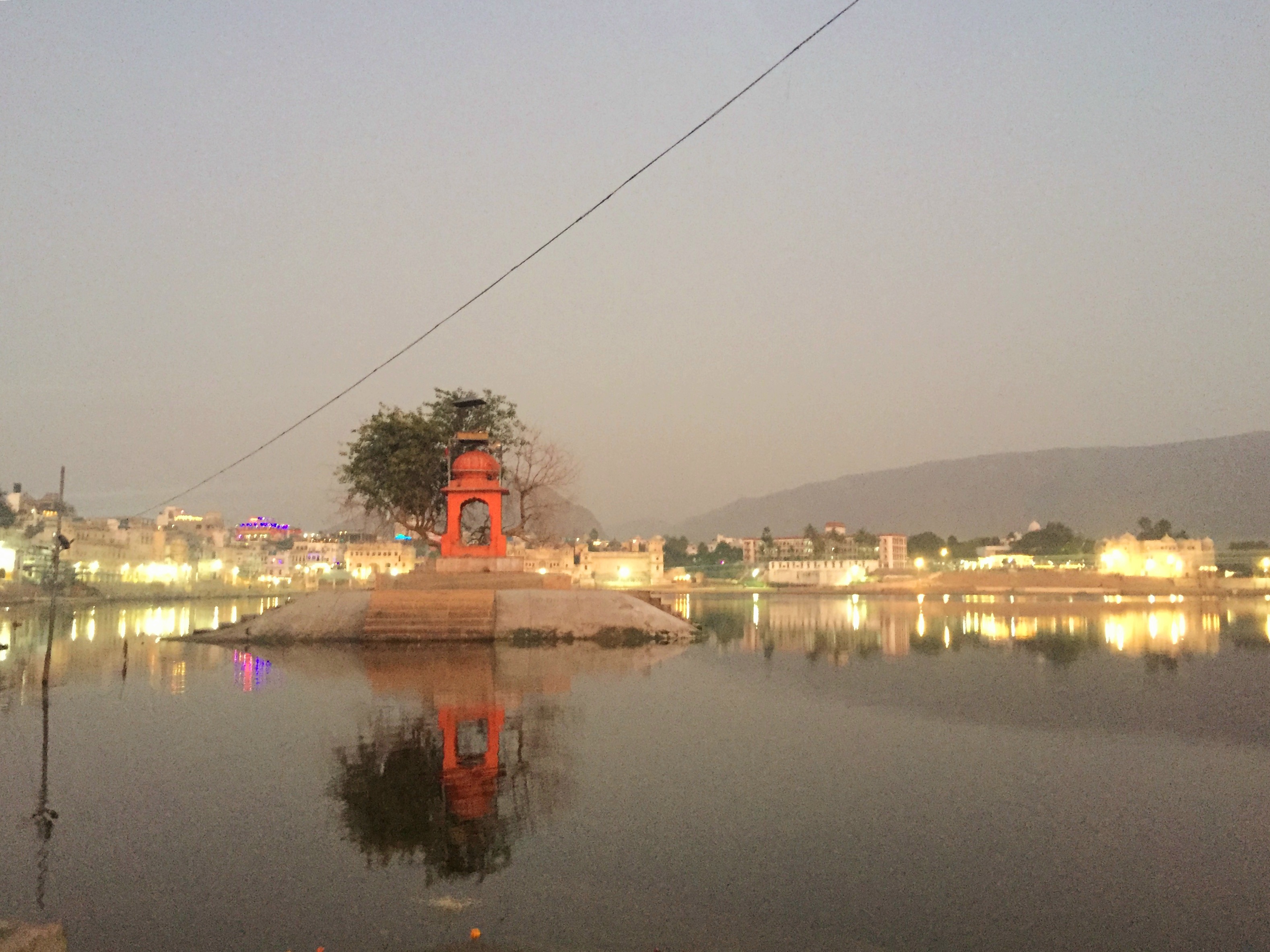
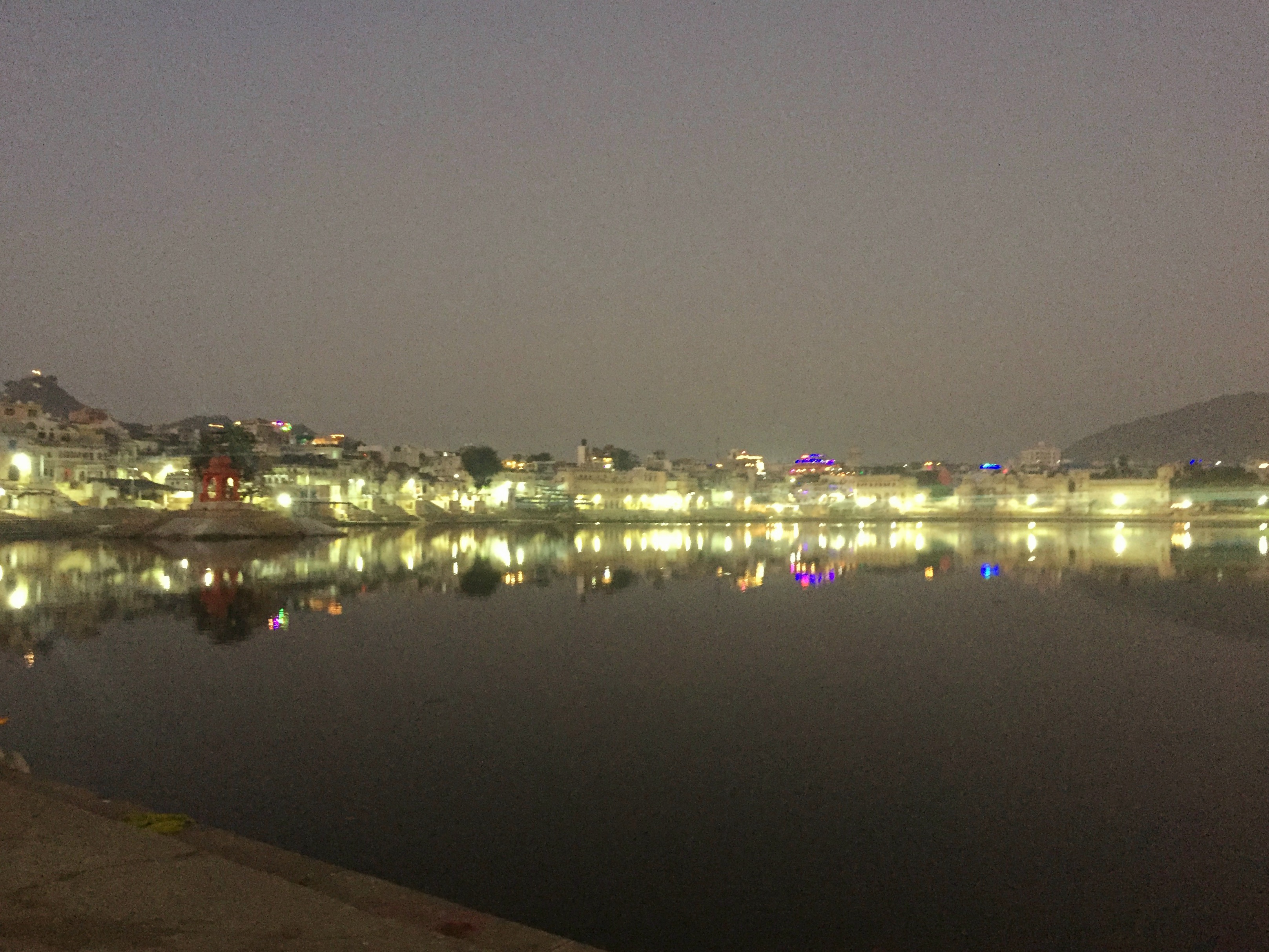
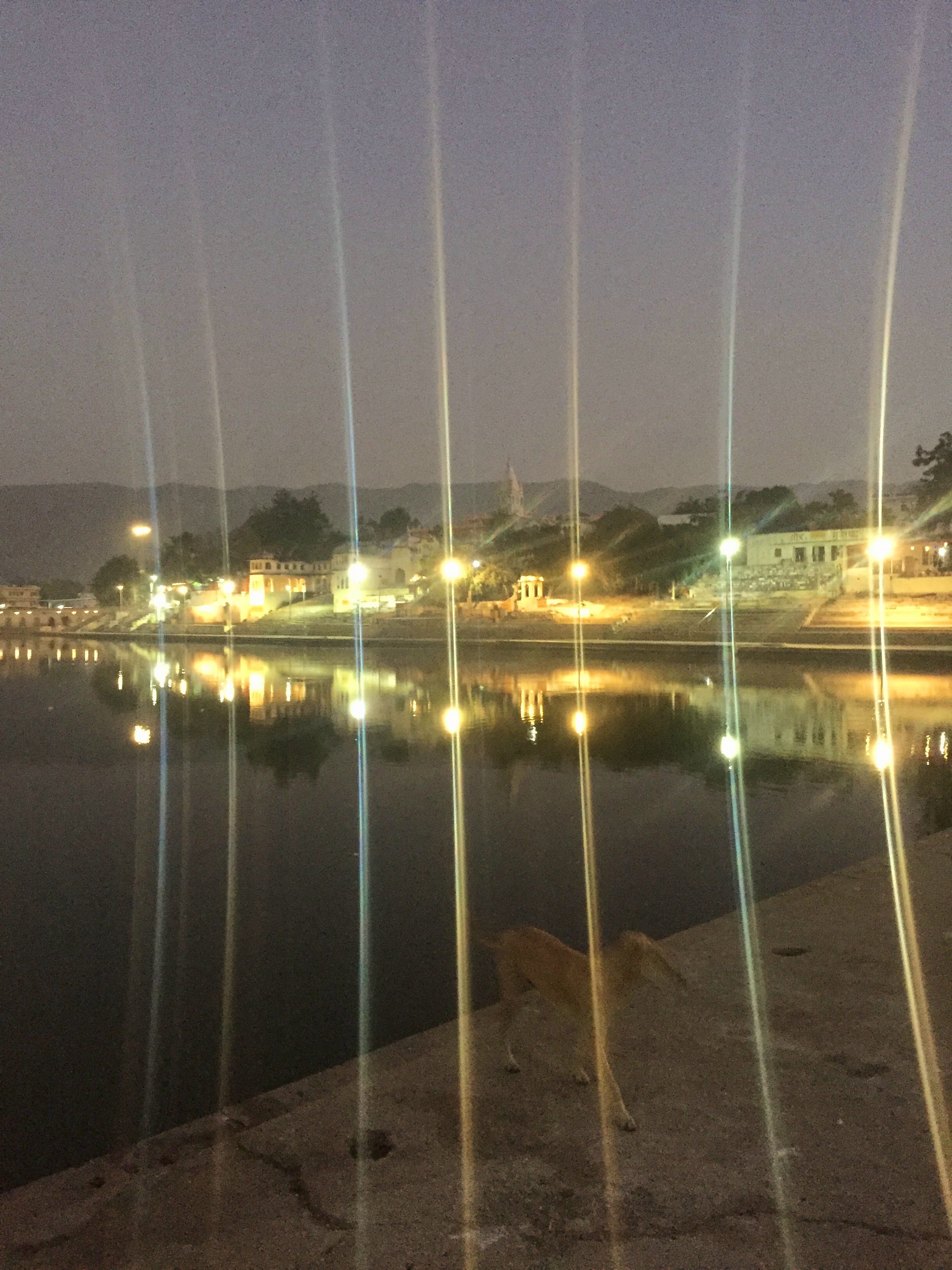
As you can see the lake is beautiful and photogenic, at any moment of the day.
Luckily the Indian government has started to take action and tries to recover the condition of the lake with various measures (including a mass awareness programme), to preserve its sacred origin.
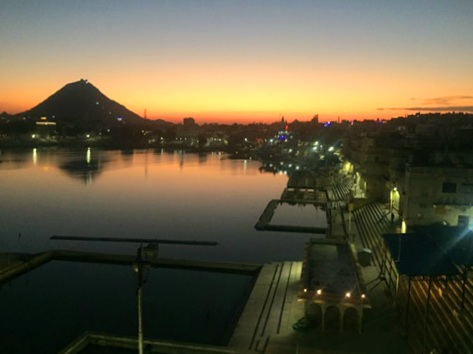
Pushkar Lake, Rajasthan 305022, India
 Breuhuys
One Reply to “”