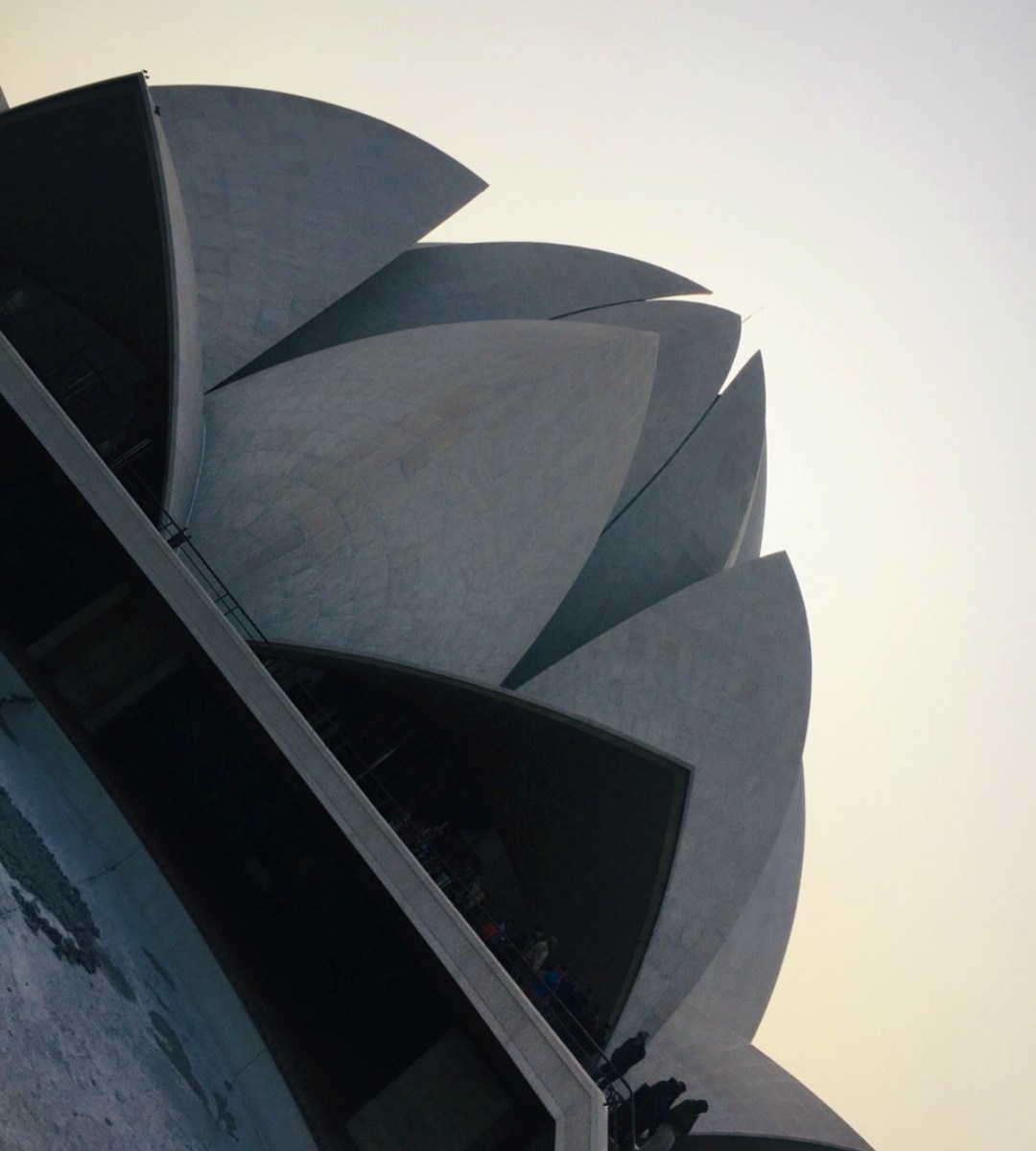
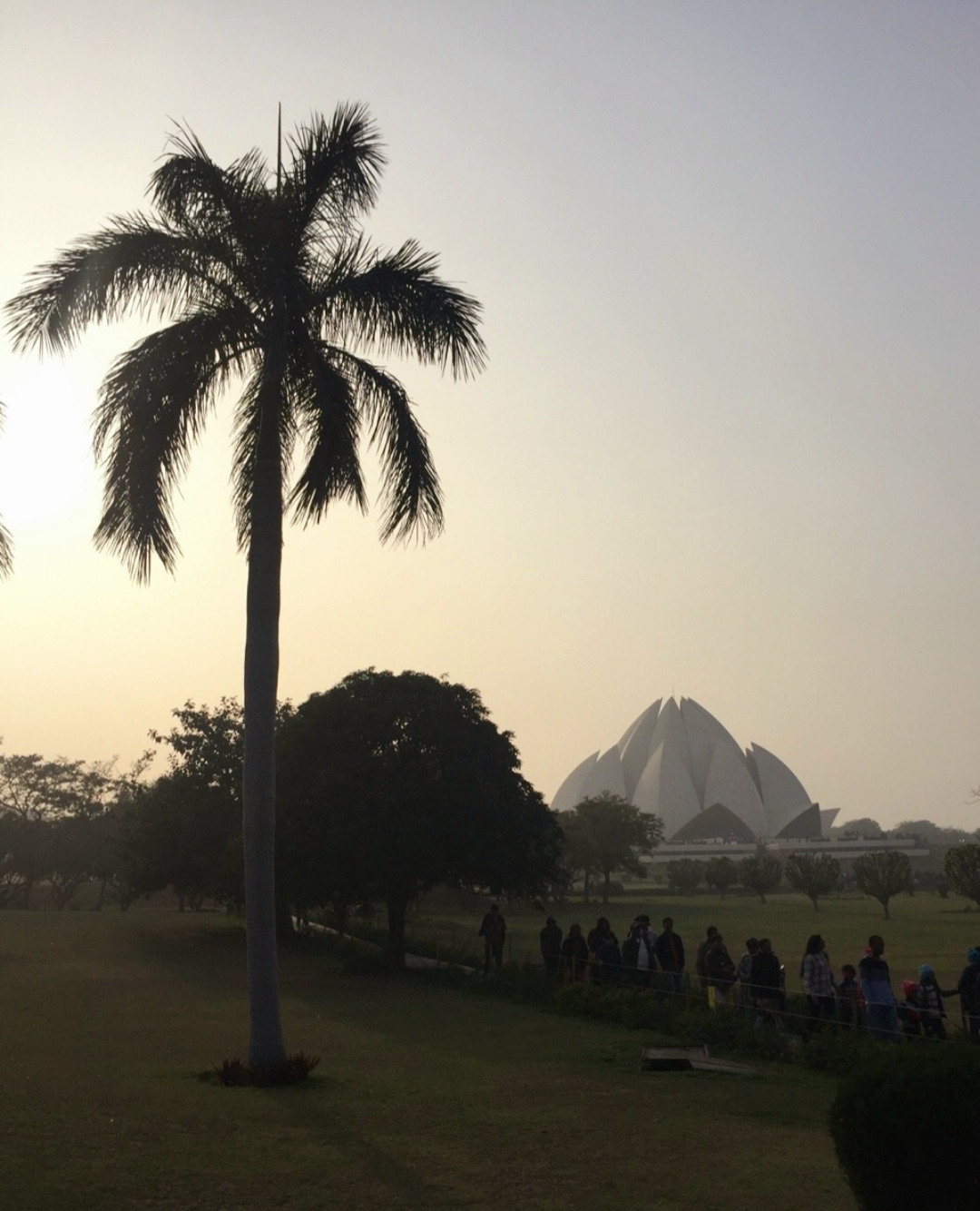
During our Hop on Hop off bus tour we also had the opportunity to stop at this eye catching, lotus flower shaped temple. We didn’t have too much time, but enough to go inside and experience the tranquil atmosphere inside.
The temple has a special function, since it’s a Baháʼí House of Worship. This we got told by one of the volunteers before entering the house.
He also explained us that that means that the temple is open to all, regardless of religion or any other qualification. These kind of places of worship function as a so-called ‘silent teacher of the Bahá’í faith’.
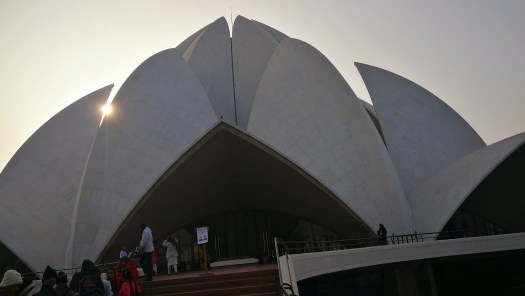
We had not been to a sacred spot before where the writings of not only the Baháʼí faith but also other religions can be read and/or chanted, regardless of language. And we also learned that there’s no set pattern for worship services.
The temple was founded in December 1986 and can fit up to 2,500 people. Which makes the shape extra special from inside, is that the fact that the complex is composed of ’27 free-standing marble-clad petals arranged in clusters of three to form nine sides’.
A Lotus selfie before going in
This nine-sided circular shape is a essential feature of every Baháʼí House of Worship. The nine doors of the temple all open onto the central hall, which has a huge height of a over 34 meters.
Unfortunately you’re not allowed to take pictures on the inside. The interior is quite breathtaking, not only because of the special shape, but moreover because of the – almost reflecting – white marble surface (apparently imported from the Penteli mountain in Greece).
In the temple you don’t find any pictures, statues or images, nor pulpits or altars, as stated by Baháʼí scriptures.
The thing we liked less about the visit, was the bit of ‘amusement park vibe’. An earlier CNN report apparently referred to it as the most visited building in the world, and you can still tell nowadays, by the big groups of people entering.
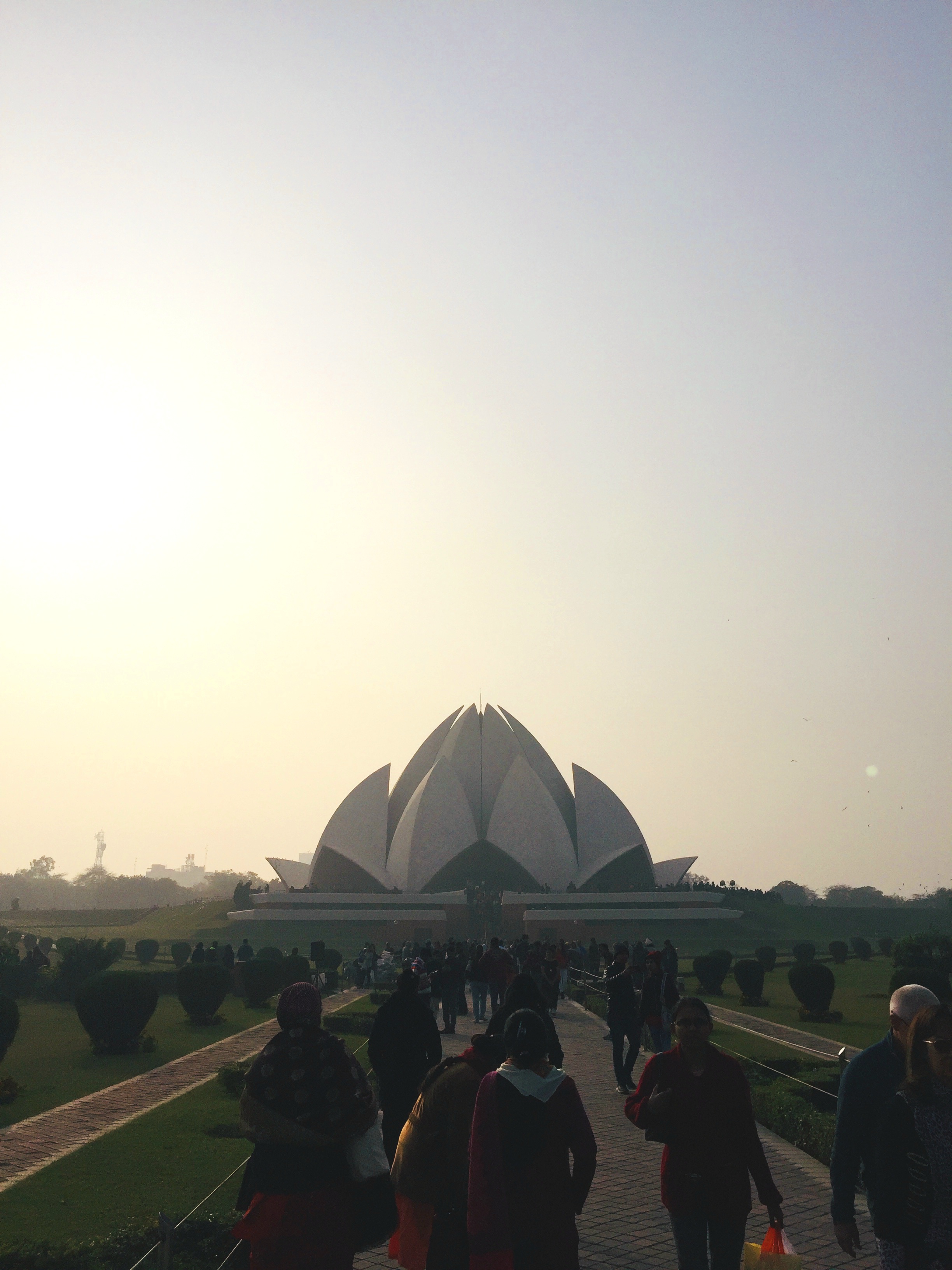
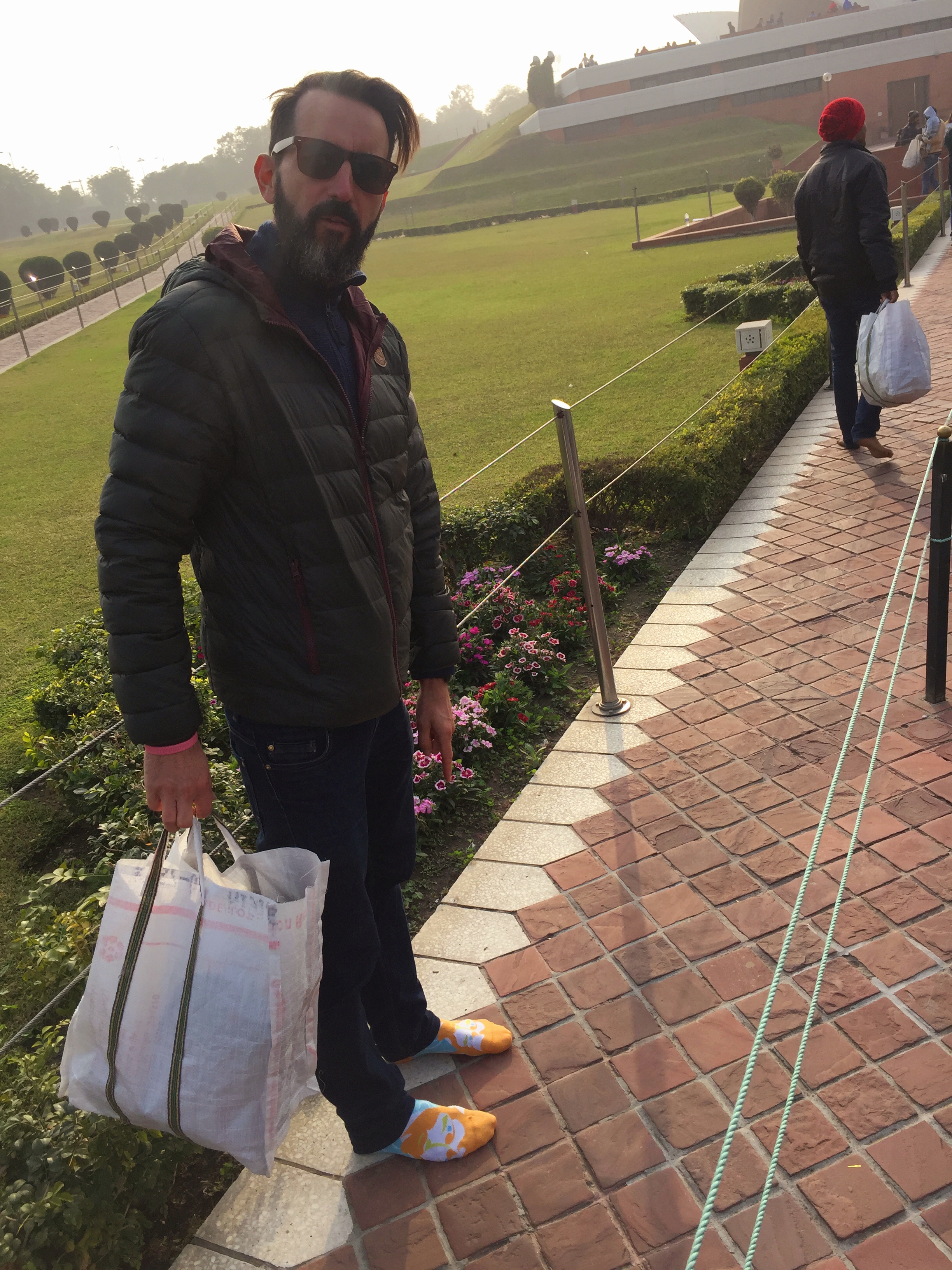
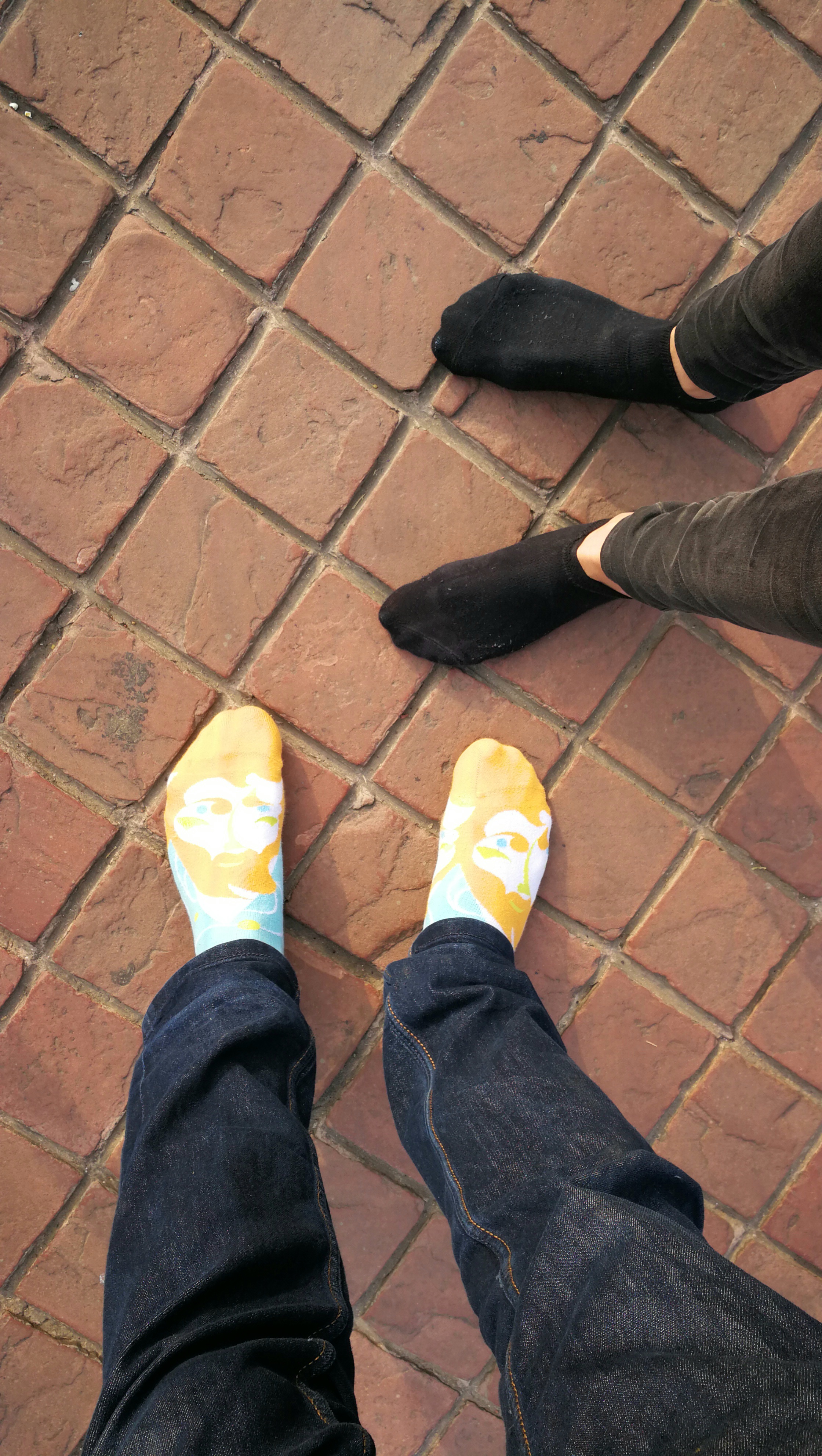
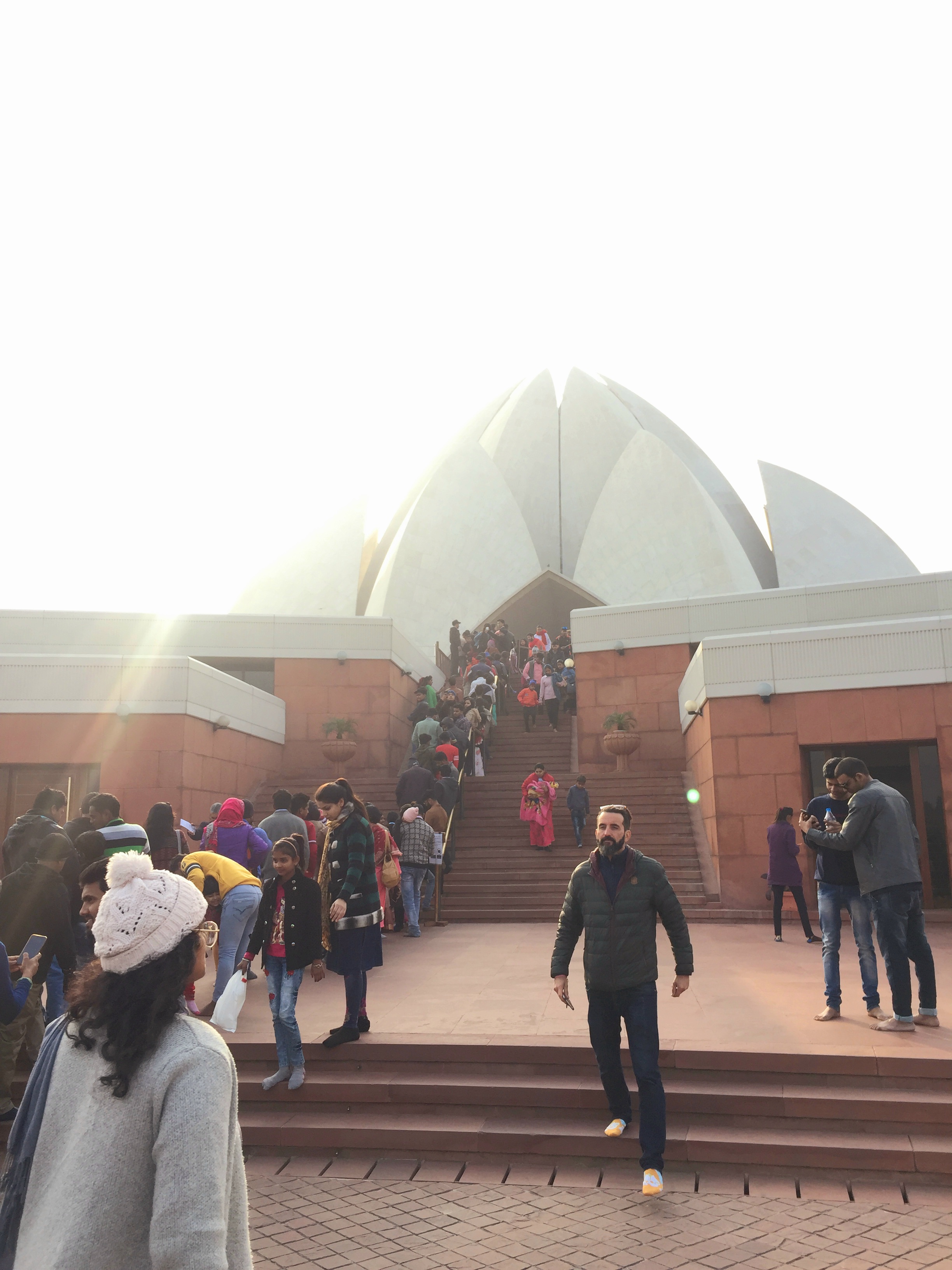
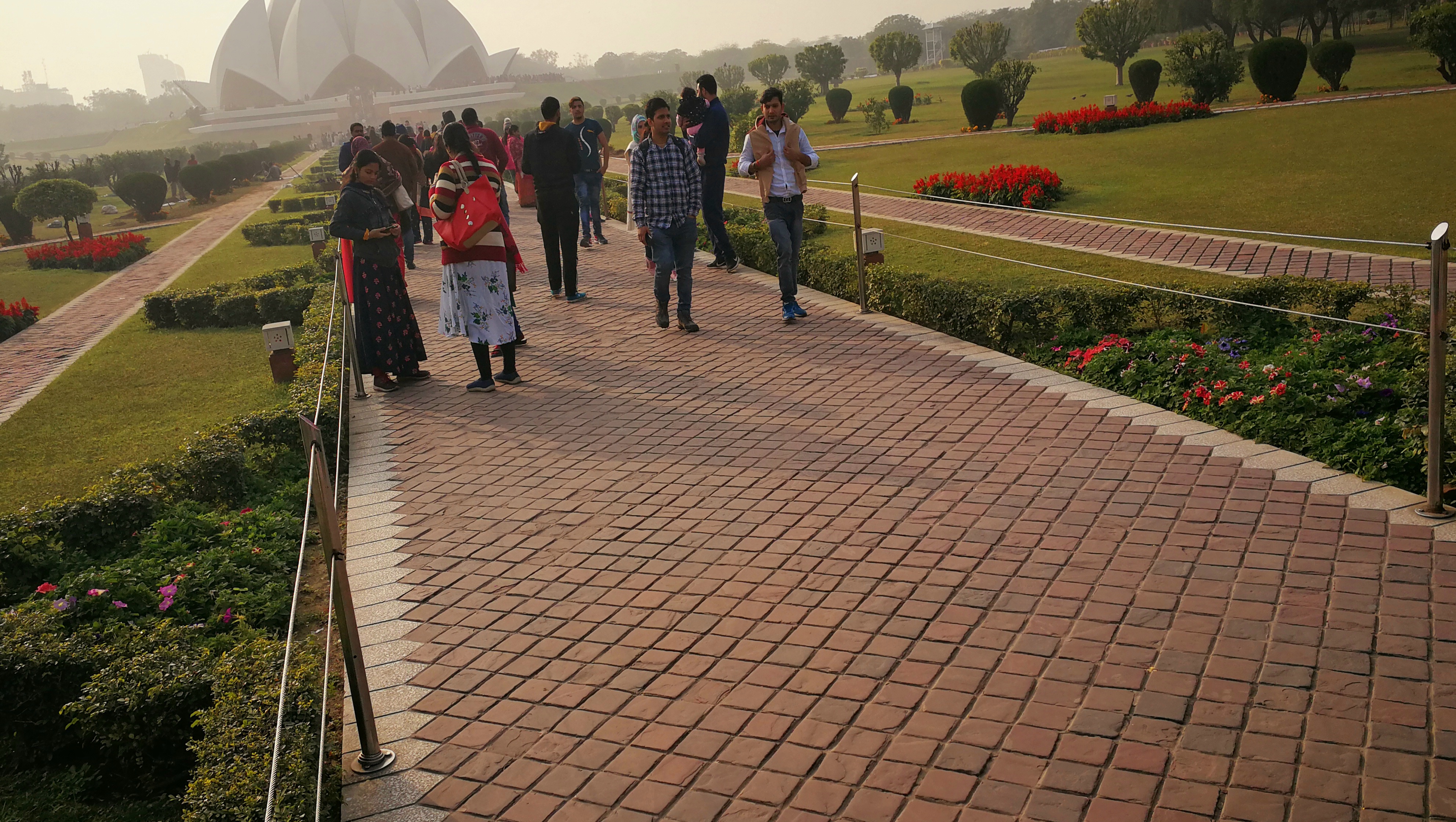
With our shoes safely stored in a bag and in socks on our way to the temple
This also caused that we had to queue up at a few points and even sitting in the temple was done in shifts. So outside and even inside it felt quite hectic, instead of the peacefulness you’re looking for at a place of worship.
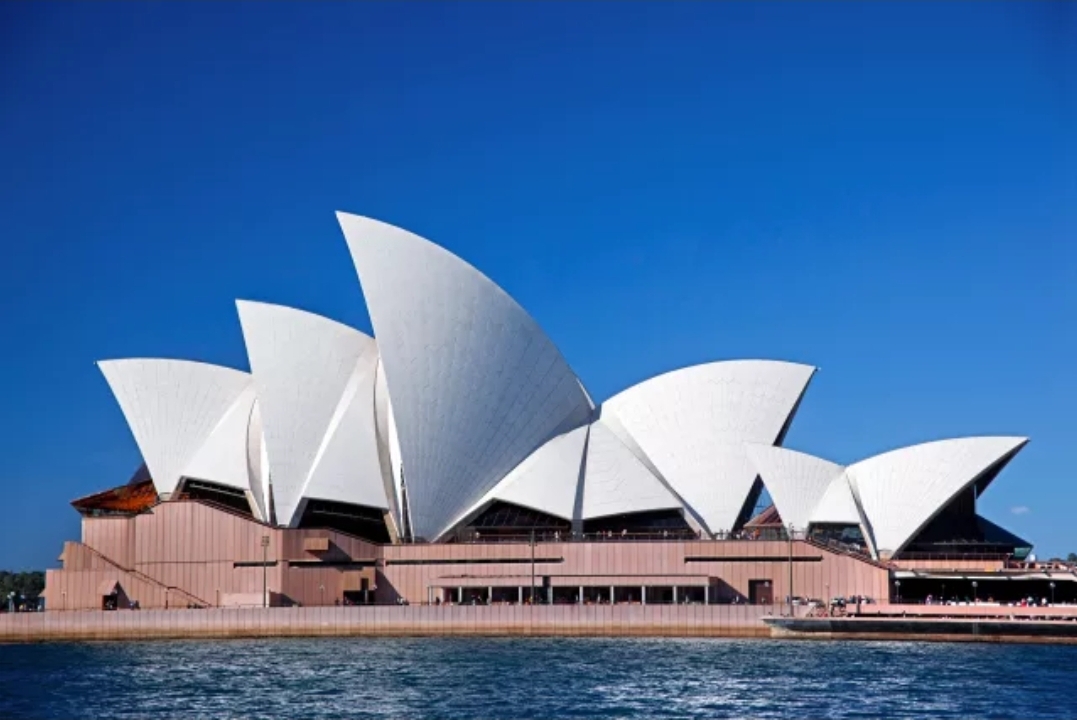
The round, organic shapes of the complex reminded us also a bit of The Sydney Opera House in Australia.
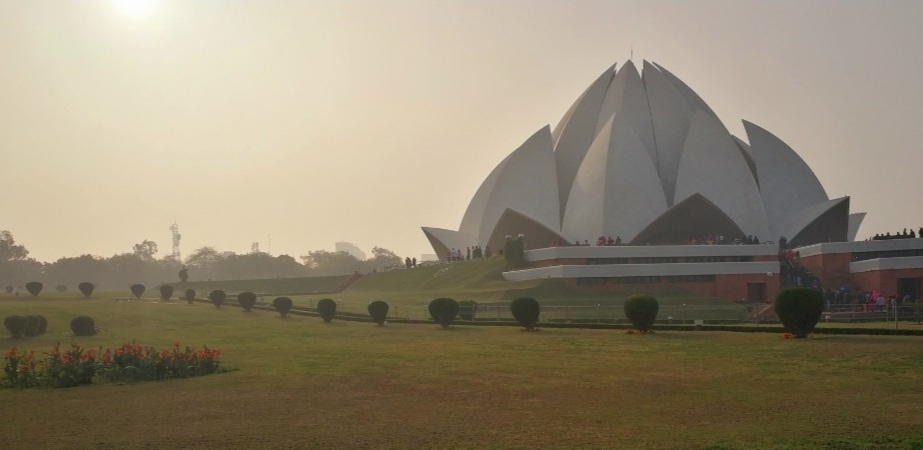
The complete property, including with the nine surrounding ponds and gardens comprises the large surface of 26 acres.
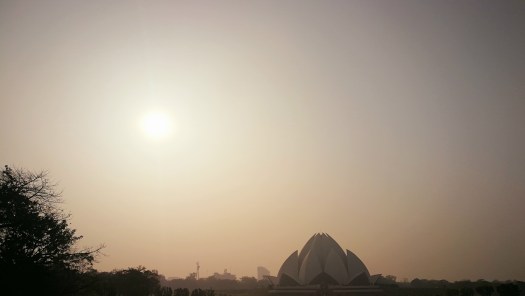
Seeing the temple from a distance, is already quite an experience, especially during sunset. And as we approached – and left behind – the big lotus, we hardly couldn’t stop taking photos. 🙂 After our visit we read that the temple has won a number of architectural awards. Which makes sense!
Lotus Temple, Lotus Temple Rd, Bahapur, Shambhu Dayal Bagh, Kalkaji, New Delhi, Delhi 110019, India
 Breuhuys
One Reply to “”